

Why your AC unit is buzzing in Missouri
A buzzing AC usually means something electrical is loose or wearing out. The most common cause is a failing contactor, the relay that switches power to the compressor. Its contacts pit and corrode over time, and that pitting makes it hum or buzz instead of switching cleanly. A weak capacitor can sound the same way, especially once your unit has been running hard through a Missouri summer. Loose fan blades, a cabinet panel vibrating against the frame, or a refrigerant line rattling against sheet metal will all buzz too, but those usually sound different once you know to listen for them. None of these fix themselves, and a contactor left alone can eventually weld shut or fail to connect at all, which stops your AC from cooling. Caught early, most of these are small repairs. Left running, the buzzing part tends to take something else with it.
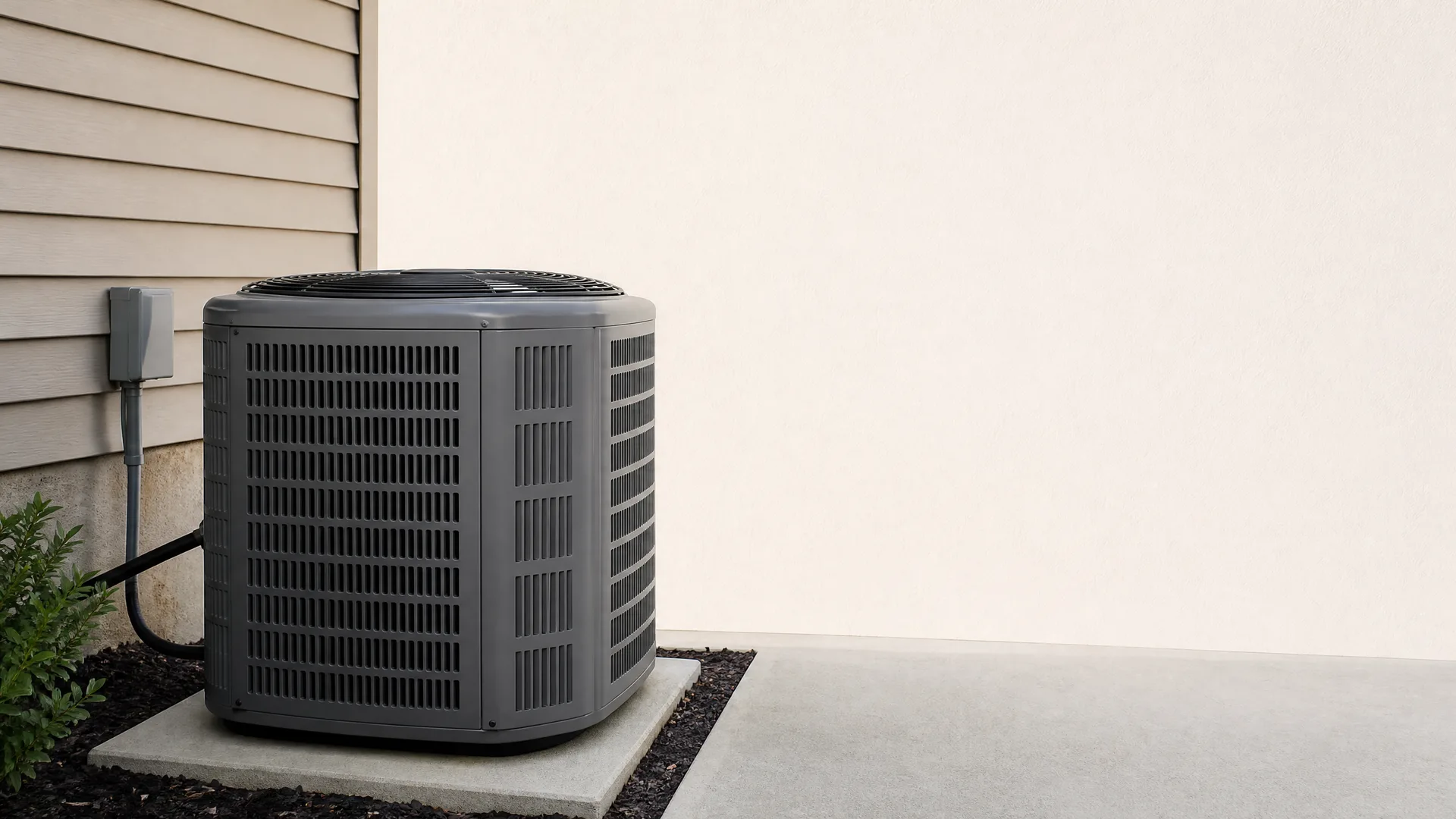
Loose parts add their own noise
A buzz can also come from the unit itself shaking something loose. The outdoor cabinet holds panels, a fan grille, and copper lines, and vibration from the compressor works screws loose over a season or two. A panel that's not seated right or a fan blade clipping its housing will buzz right along with it. Checking the cabinet is simple, but reaching the wiring behind it safely is not something to do with the power on.

Capacitors wear out, not just contactors
The run capacitor stores a charge that helps the compressor and fan motor start and keep turning smoothly. As it ages, it loses capacitance, and a weak one makes the motor strain, which shows up as a hum or buzz instead of a clean start. Missouri summers push the compressor hard for months at a stretch, and that steady workload is what wears a capacitor down faster than it would somewhere milder.
Is that buzzing coming from the unit outside?
Go stand next to your outdoor unit and listen. A steady electrical hum, loudest right near the access panel, points to that contactor. If the buzz only starts when the compressor kicks on, or if the fan on top seems to hesitate before it spins up, that's a different signal and worth noting separately. Smell matters too. A burning or hot-plastic smell with the buzz means wiring or a relay is overheating, and that's not something to wait on. Left alone, a bad contactor can weld shut, and then your AC won't shut off even after the house cools down, running the compressor nonstop until something else fails.

The air in Missouri carries a summer dew point around 66°F, averaged across June, July and August, according to NOAA climate data. That's sticky enough that your AC runs long stretches without a break, and a compressor that runs for hours at a time puts more load on that contactor and anything else already loose or worn. A unit that might just hum quietly in a drier climate buzzes here because it's working harder, longer. If you've noticed the buzz getting worse as the summer goes on, that's why. Instead of calling around to find someone who can look at it, you can send one form and let a licensed contractor get in touch, so you're not stuck comparing quotes or explaining the noise over and over to different companies.
NASA POWER T2MDEW county cells weighted by homes
Hand off the air conditioner problem
A buzzing unit rarely fixes itself, and running it while a contactor keeps arcing can take the compressor down with it, which turns a small repair into a much bigger one. In a Missouri summer, that's not a risk worth sitting on. You could start calling around, but most contractors are already booked solid once the humidity sets in, and you'd be stuck explaining the same buzz to three or four different people before one even gets to your house. Send the request instead. Once it's in, you're done hunting for someone who answers the phone and done comparing strangers to figure out who's worth trusting with your system. That part is off your plate. What's left is the actual fix, the contactor replaced or the loose part tightened down, handled by someone who does this work for a living. Your AC keeps you through months of heat like this. Let someone qualified take it from here.
What the buzzing tells you
- A buzzing sound almost always means a loose or worn electrical part, not a part that lubricant or a filter change fixes.
- A pitted contactor is the most common cause, and it will keep arcing every time the compressor cycles on.
- Loose screws or panels on the outdoor unit can buzz too, and that noise gets worse with every hour the compressor runs.
- A steady hum near the access panel points to the contactor, while a buzz tied to the fan points somewhere else.
- Running the unit through a Missouri summer with this noise risks the compressor itself, which costs far more to replace than to repair.
- Finding a licensed contractor, explaining the noise, and comparing quotes takes time you'd rather not spend while the problem sits unresolved.
A buzzing AC is telling you something specific. It's not a dirty filter or a low battery in the thermostat. It's a part wearing out, most often the contactor that switches power to the compressor, or a screw and panel working loose from the vibration of a unit that runs for hours at a stretch in Missouri's sticky summers. Stand outside next to the unit and the sound itself tells you which one. A steady hum near the access panel is electrical. A rattle that comes and goes with the fan is something loose.
Either way, the noise doesn't go away on its own, and the compressor behind it is the most expensive part of the whole system. Left alone, a pitted contactor keeps arcing every time the unit cycles, and a loose panel keeps shaking looser. What changes the outcome is getting a licensed contractor out to look at it before that happens, not waiting to see if it gets worse.
That part, finding someone, is usually its own chore. Searching for contractors who work on your brand, calling a few, explaining the same noise to each one, then sitting with quotes trying to compare them. None of that fixes the contactor. Sending the form on this page skips straight past it. You're not left holding a list of names to call while the unit keeps buzzing in the meantime. The noise has an answer. The part about getting someone out to act on it is the part you don't have to carry yourself.
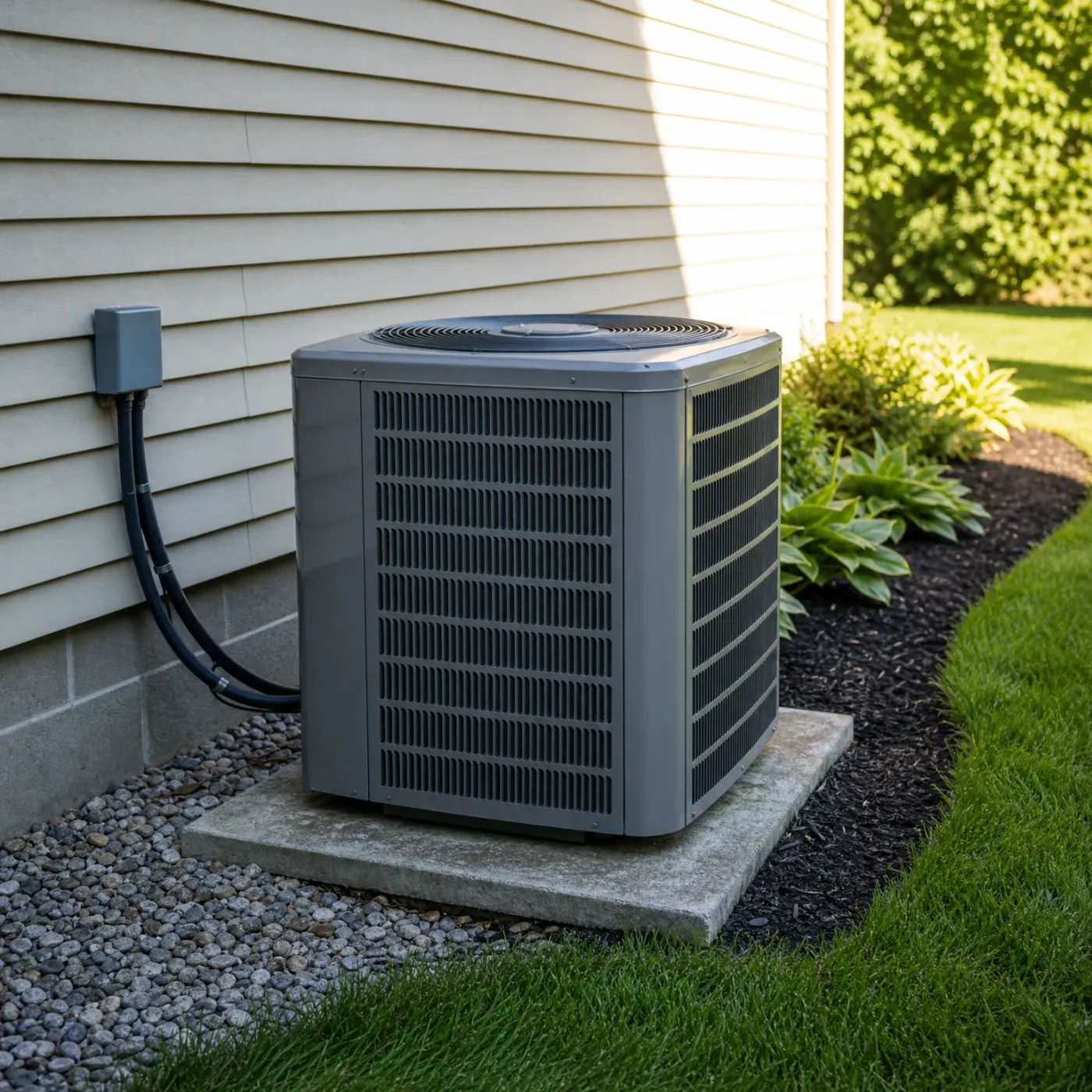
Send one request and you're done looking
Answer a few questions instead of calling shop after shop.
You only hire the pro if you want to.