Before you get your air conditioner repair
You're still checking the breaker and the disconnect yourself, calling around for someone who can look at the capacitor and contactor, while the house keeps climbing past 80.
 I'm done searching
Send the request today and let an air conditioner pro reach out to you.
The outdoor unit sits there silent and the house is already warming up. You flip the thermostat down a few degrees, you check the breaker, maybe you tap the disconnect, and still nothing. In a Missouri summer that gets sticky fast, and a compressor that won't start is one of the more serious ways an AC can fail. It usually means something electrical: a failed capacitor, a bad contactor, a tripped overload switch inside the compressor itself. None of those are things to keep testing on your own.
A compressor that stays off is also one you want looked at before anyone tries to force it. Repeated attempts to start a compressor that's drawing too much current or stuck on a bad start component can burn out the motor windings for good, turning a repair into a replacement.
This is where the usual next steps get old fast. Searching for an HVAC contractor, calling two or three, explaining the same symptoms each time, waiting to hear back, then weighing one quote against another while your house keeps climbing past 80 degrees. That's hours you don't have when it's this hot inside.
Send the form on this page instead and that search becomes someone else's job. You're not left scrolling through reviews or waiting on hold. A licensed contractor in your area gets the details of what your AC is doing, or not doing, and takes it from there. You stop chasing the problem and start waiting on someone who already knows what a silent compressor usually means in a Missouri July.
Power here is cheap compared to a lot of places, which is some comfort, but a dead compressor doesn't care what the rate is. It just needs someone qualified to open the panel, test the right parts, and tell you straight what's wrong.
You've already checked the breaker and the disconnect, and the outdoor unit still won't start. With the heat building up inside, you want to know what's actually stopping it before you decide what to do next.
The compressor needs a jolt of power to start spinning, and that jolt comes from a capacitor. When the capacitor weakens, the compressor hums or does nothing at all. Other times the unit is protected itself: a high pressure switch or an overload trips and shuts the compressor down before it can run hot or seize. And sometimes the problem never reaches the compressor itself, a thermostat signal that isn't getting through, or a contactor that won't close. With power cheap here, the cost of running the system isn't what's at stake. It's the AC not running at all while a Missouri summer keeps the house climbing through the afternoon.
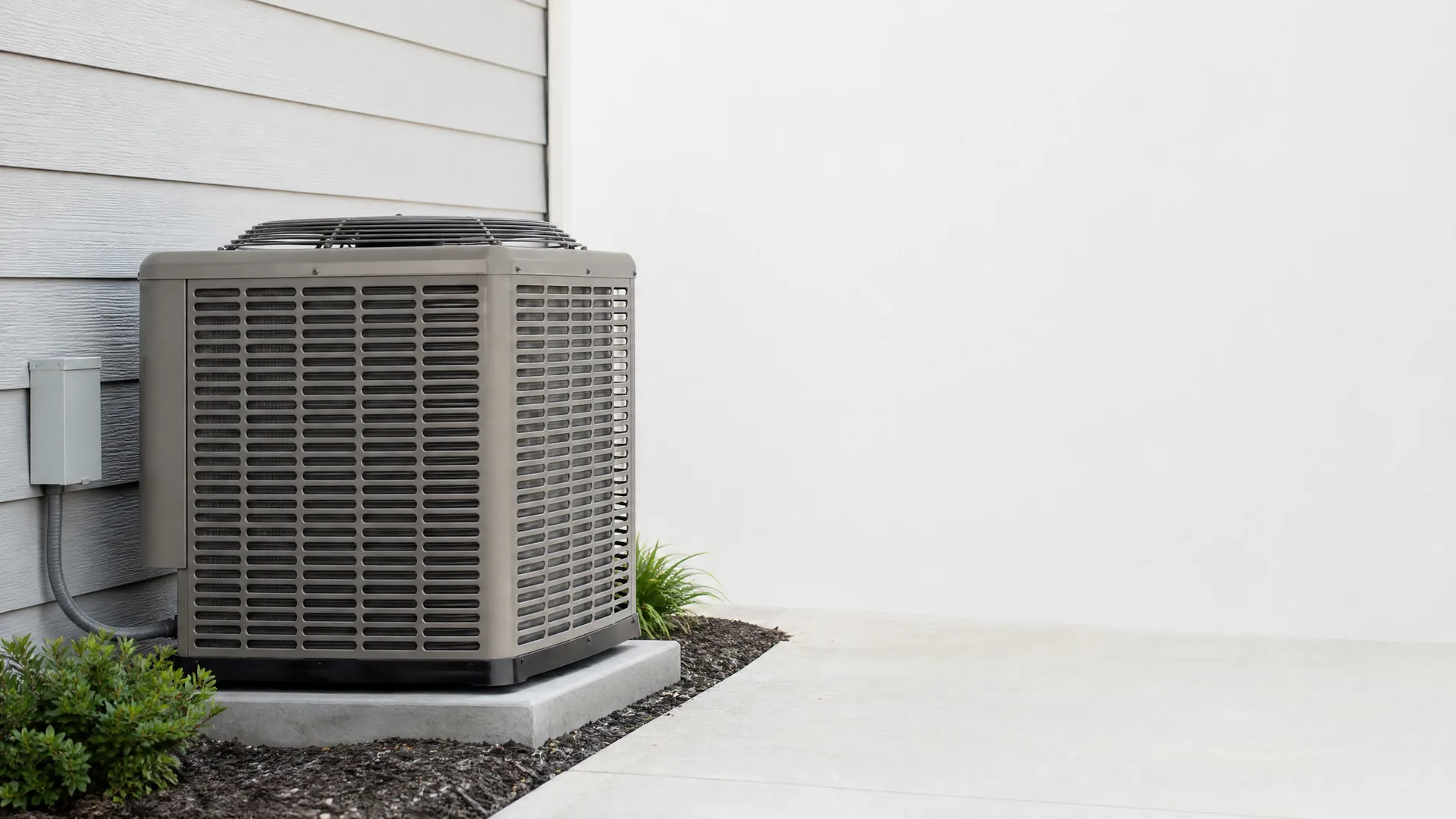
A compressor motor needs a strong jolt to start turning against the pressure already in the system. That jolt comes from a run capacitor, and on a hot afternoon with the unit cycling again and again, that part takes the hardest hit. When it weakens, the motor hums but won't turn over, or the contactor clicks and nothing happens after. Missouri summers put more cycles on that capacitor than a mild season would, and that wear adds up.
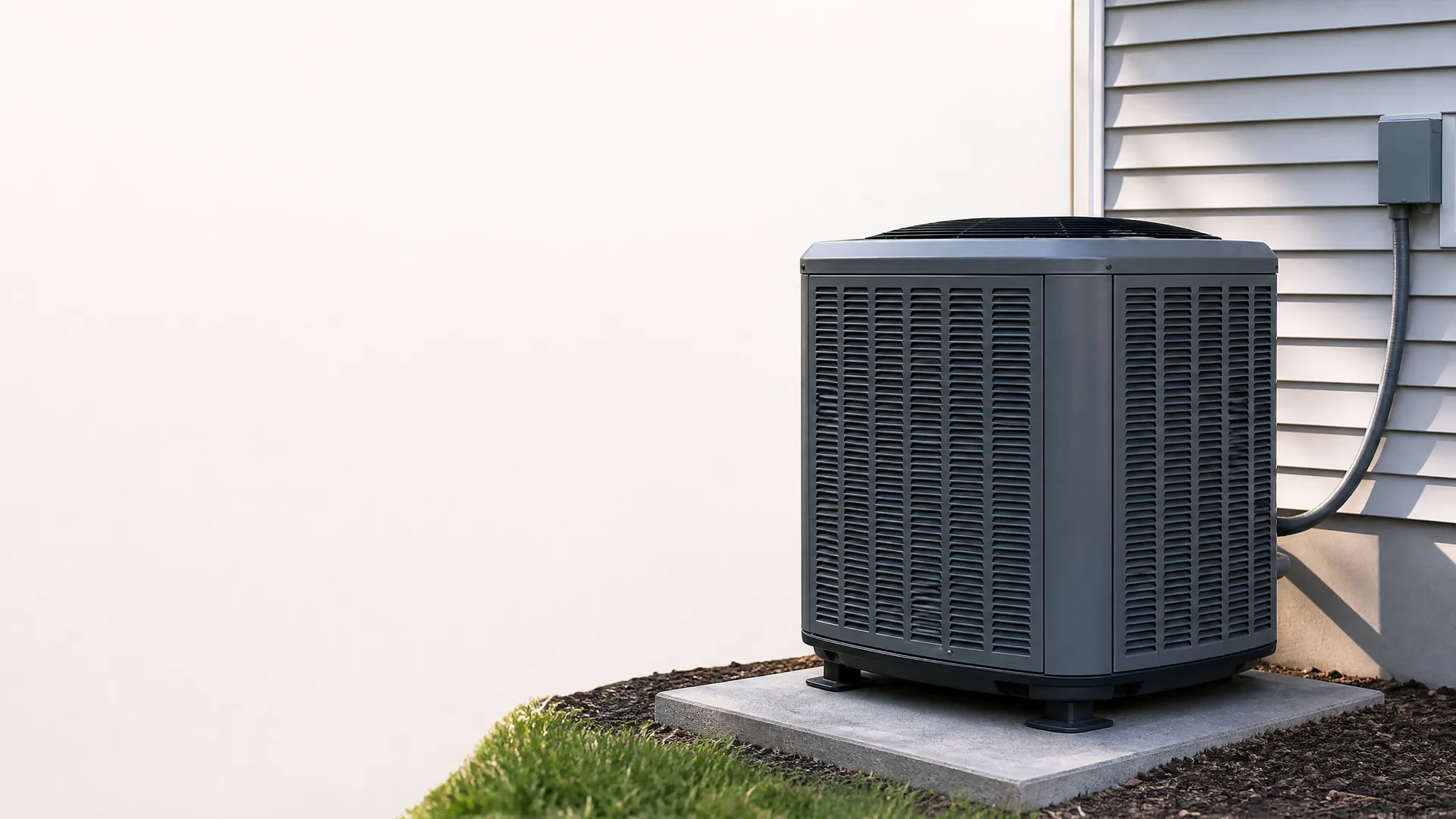
Between the thermostat and the compressor sits a contactor, a switch that closes to send power out to the unit. It opens and closes thousands of times over a summer, and the contacts inside pit and burn a little each time. Eventually they stop making contact at all, or they stick open. You can sometimes hear it try, a faint click from the outdoor unit, and that click without a start points straight at this part.




You've already gone through the breaker, the disconnect, the thermostat settings, and the compressor still sits there quiet while the house climbs past what you set it to. The next step isn't another thing to check yourself. It's getting someone out who can open the disconnect panel and test the capacitor and contactor directly, because guessing which one failed from inside the house isn't something you can do, and running the system over and over to see if it catches can wear on a motor that's already struggling to start. Sending the request means you're not the one calling around Missouri looking for a contractor who answers, explaining the same symptoms to three different people, then sitting with quotes trying to guess which one is fair. One contractor gets your request and takes it from there. You go back to dealing with a hot house, not with finding help for it.
The thermostat doesn't run the compressor directly. It sends a low voltage signal out to the outdoor unit, and that signal has to close the contactor before the compressor sees any power. The contactor does this with a small coil that pulls in a set of metal contacts, like a switch being thrown. Either piece can be the problem. The coil can fail to pull in at all, or the contacts themselves can get pitted or burned from years of arcing every time the unit cycles. That second kind of failure is the tricky one, because you can still hear the coil click and assume the contactor is fine when the contacts underneath aren't actually passing power through.
If you flip the thermostat down and the outdoor unit hums instead of staying silent, that's a different part acting up. A hum means the compressor is getting power but can't get its motor turning, which usually points to the start capacitor rather than the contactor.
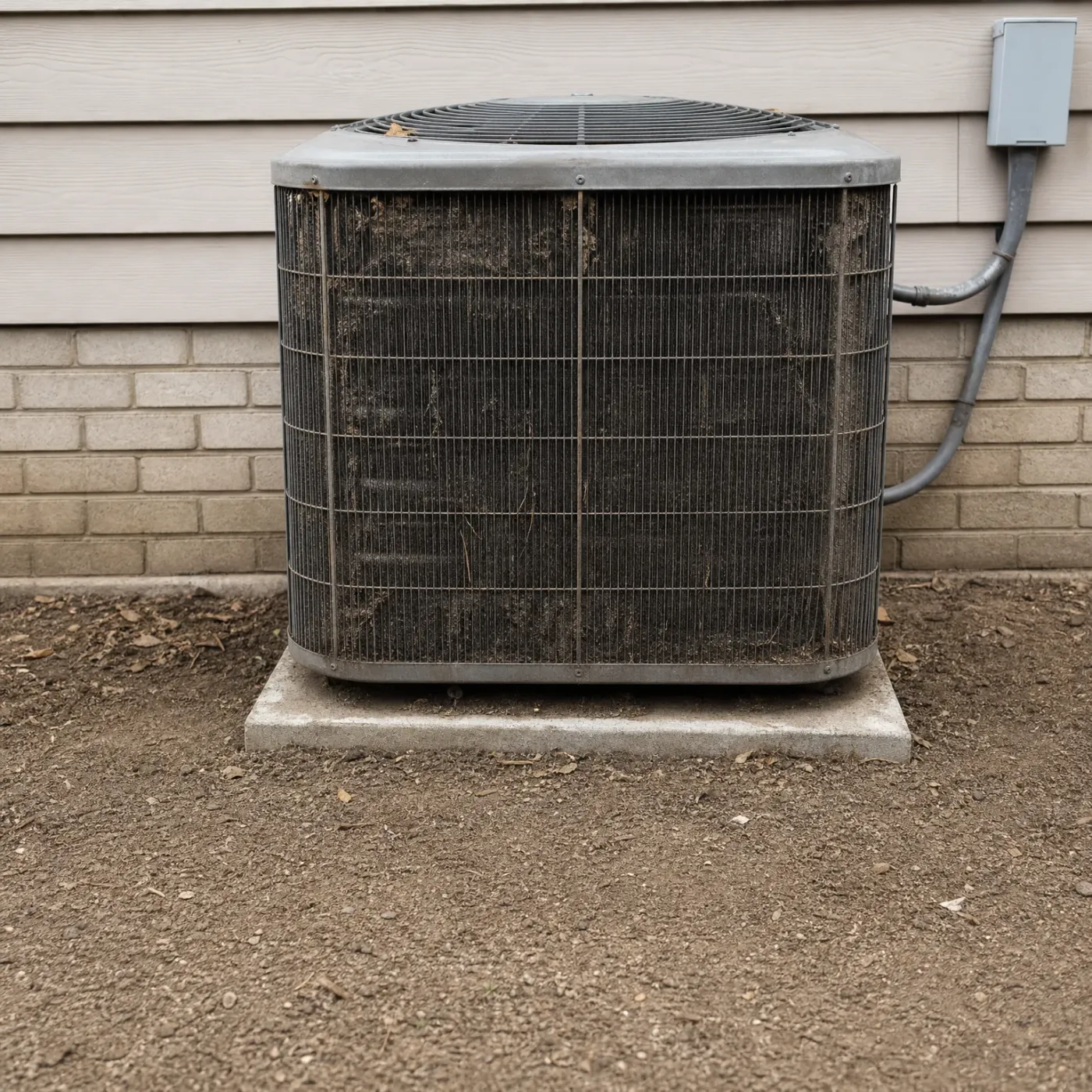
There's also a safety built into most compressors that shuts the motor down if it runs too hot, and it stays off until it cools back down on its own. An outdoor unit caked in dirt or crowded by grass and shrubs can't shed heat the way it's supposed to, so that shutoff trips more, especially once a Missouri afternoon gets into the 90s and the unit's already been cycling for hours.
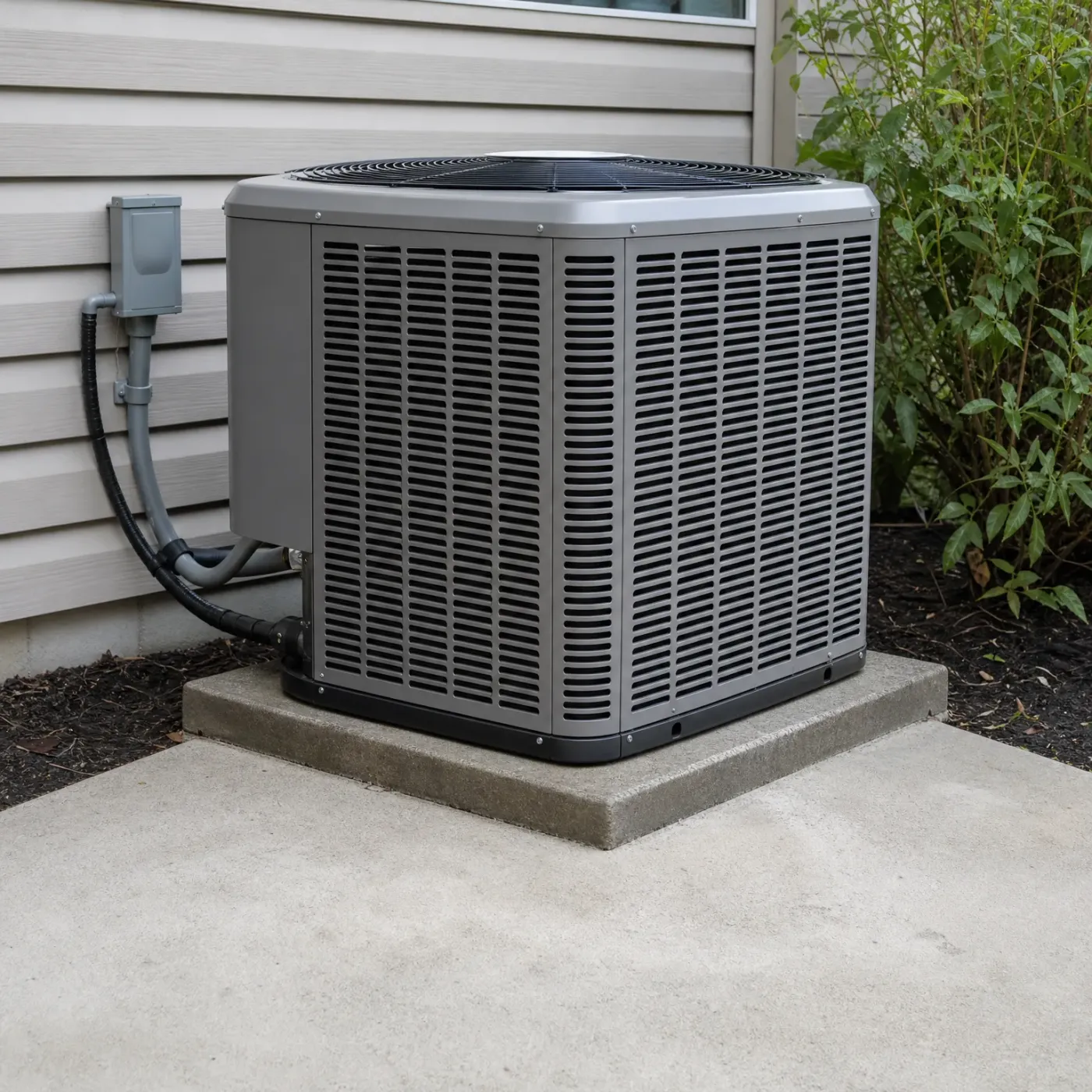
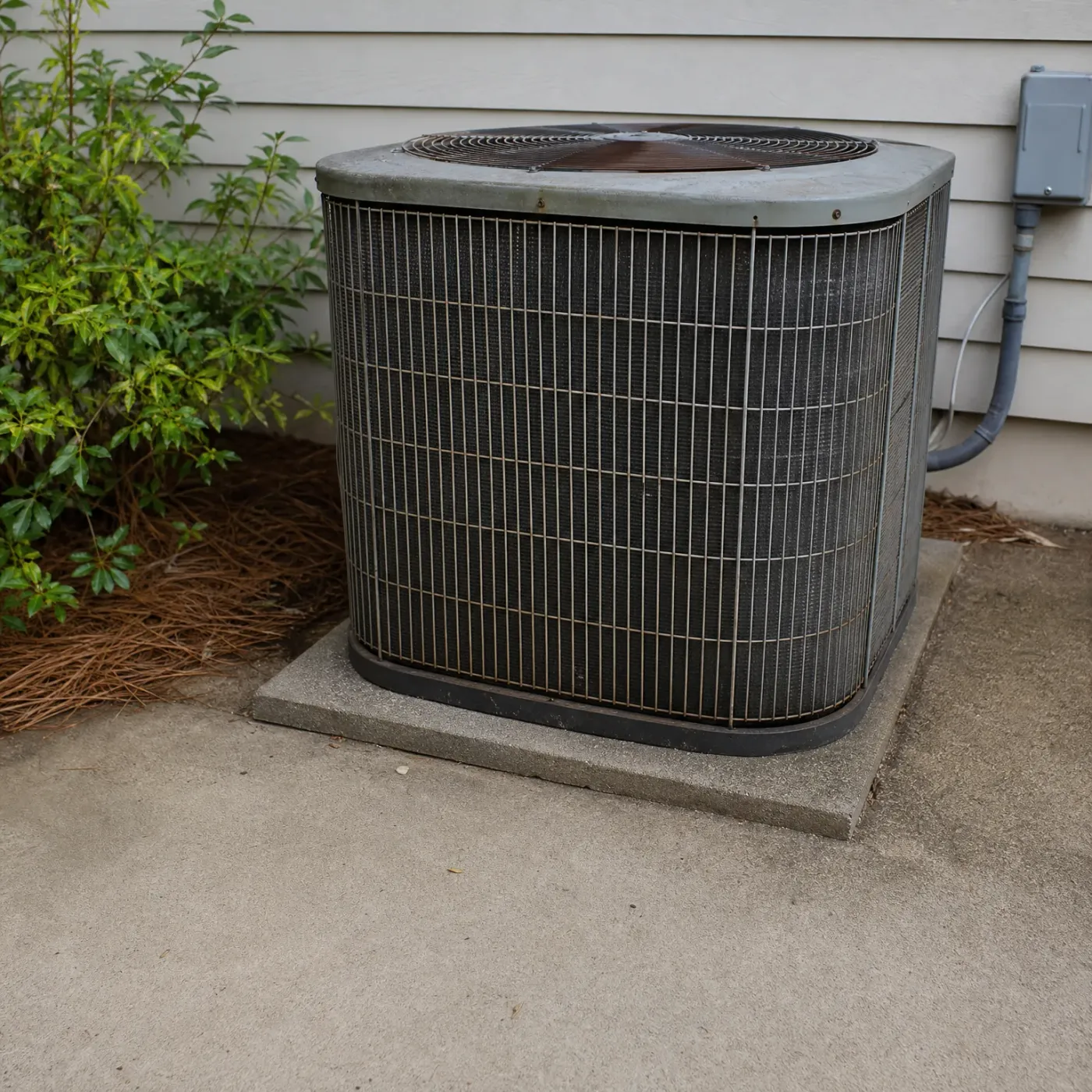
You're standing at the thermostat and the house just keeps climbing, 76, 78, 80. The vents are blowing air but it's not cold, or there's no air at all because the system won't start its cycle. Outside, the unit is dead quiet when it should be humming. Maybe you hear a faint click or hum for a second before it gives up. Upstairs feels worse than downstairs. The dog is panting by the back door. If this drags into tomorrow, the heat doesn't just sit there, it builds, and anyone in the house sensitive to it, a toddler, an older parent, feels it first.


Summer air here holds a dew point around 66°F, averaged across June, July and August over where Missouri homes sit. That's heavy, sticky air, the kind that makes 85°F feel worse than it sounds. Your compressor has to work harder in it, pulling more current each time it starts, and it starts a lot because the thermostat keeps calling for cooling as the house struggles to shed that moisture. More cycling means more wear on the parts that get it going, the capacitor and the contactor. When one of those is already weak, a stretch of thick, humid air is often what finally stops the compressor from starting at all.
NASA POWER T2MDEW county cells weighted by homes
You're still checking the breaker and the disconnect yourself, calling around for someone who can look at the capacitor and contactor, while the house keeps climbing past 80.
Someone licensed has looked at the compressor, told you what stopped it, and fixed it. You're not the one tracking down who can come out.
At 13.30 cents a kilowatt-hour, a compressor that won't start isn't running up your bill. It's the opposite problem: no cooling at all while the house keeps climbing. Power here is cheap enough that running the AC hard once it's fixed won't hit you the way the repair itself might.
EIA-861 2025 statewide residential average
A compressor that won't start almost always comes down to the capacitor or the contactor, sometimes a coil too dirty to let the unit run long enough to matter. That's the whole answer. What it means for you is that the breaker and the disconnect were never going to fix it, and checking them again won't either. Someone has to look at the capacitor and the contactor with the panel off, and until that happens the house keeps climbing past what you set it to. Right now that means hunting down a contractor, calling a few, explaining the same thing about the breaker and the disconnect and the silent unit each time, then sitting with quotes trying to guess who's actually right about what's wrong. Send the form instead and that part is off your plate. Someone else is doing the finding, and you're back to just waiting on the one call that tells you what's broken and what it takes to get the cold air moving again.
Hand off the search today