
Still doing its job
If your unit cools the house evenly, cycles on and off without short cycling, and hasn't needed a repair call this year, it's still earning its keep. Keep up with filter changes and a yearly tune-up and let it run.
Get matched with someone who does this kind of work in Cape Girardeau County.
Get matchedYour AC is getting old, or it's been acting up more this summer than last, and you're trying to figure out if this is the year to replace it instead of calling for another repair. With Cape Girardeau summers running hot and sticky for months at a time, a unit that's struggling doesn't get much of a break to recover before the next heat wave hits.
Most central air conditioners are built to last 12 to 15 years. Past that point, parts wear out faster and replacement parts get harder to find. If your unit needs a repair every season, or the repair bill is getting close to what a new system would cost, that's a sign the equipment is at the end of its run. Summers here are long and humid, so an aging unit works harder for more months than it would somewhere milder. If it's short cycling, running constantly without cooling the house evenly, or your electric bills have climbed without a change in how you use it, those are signs the system is losing efficiency and struggling to keep up.
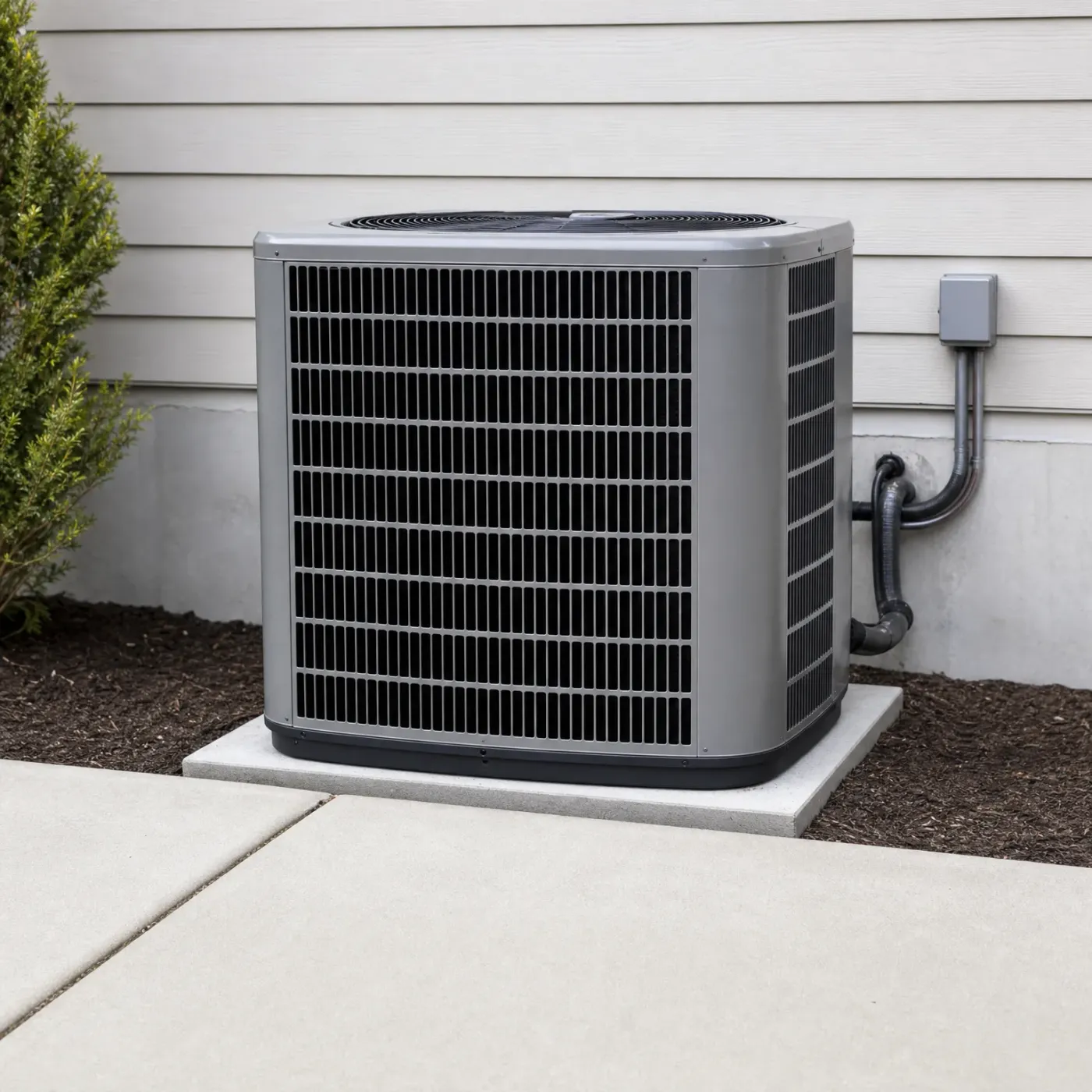
If your unit cools the house evenly, cycles on and off without short cycling, and hasn't needed a repair call this year, it's still earning its keep. Keep up with filter changes and a yearly tune-up and let it run.
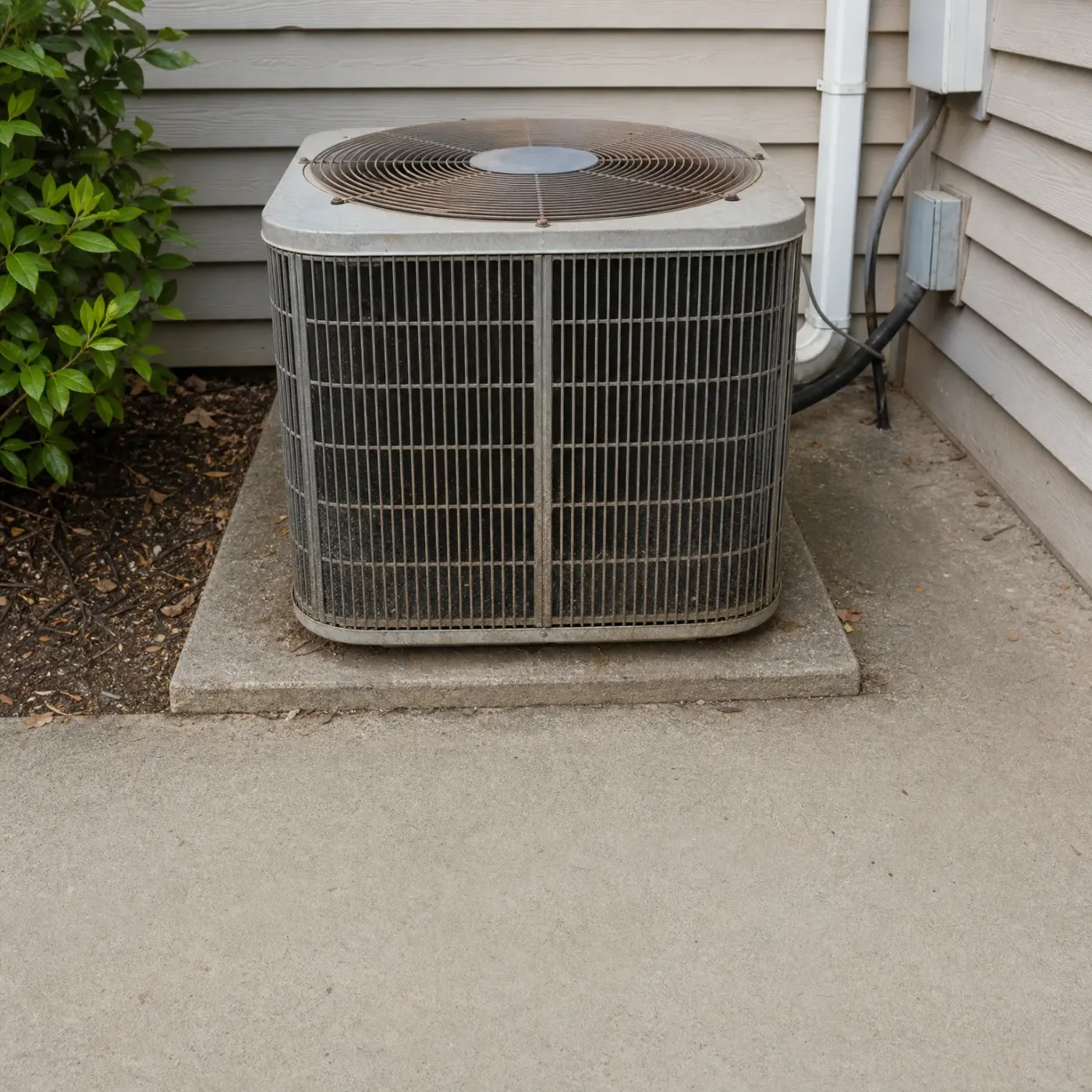
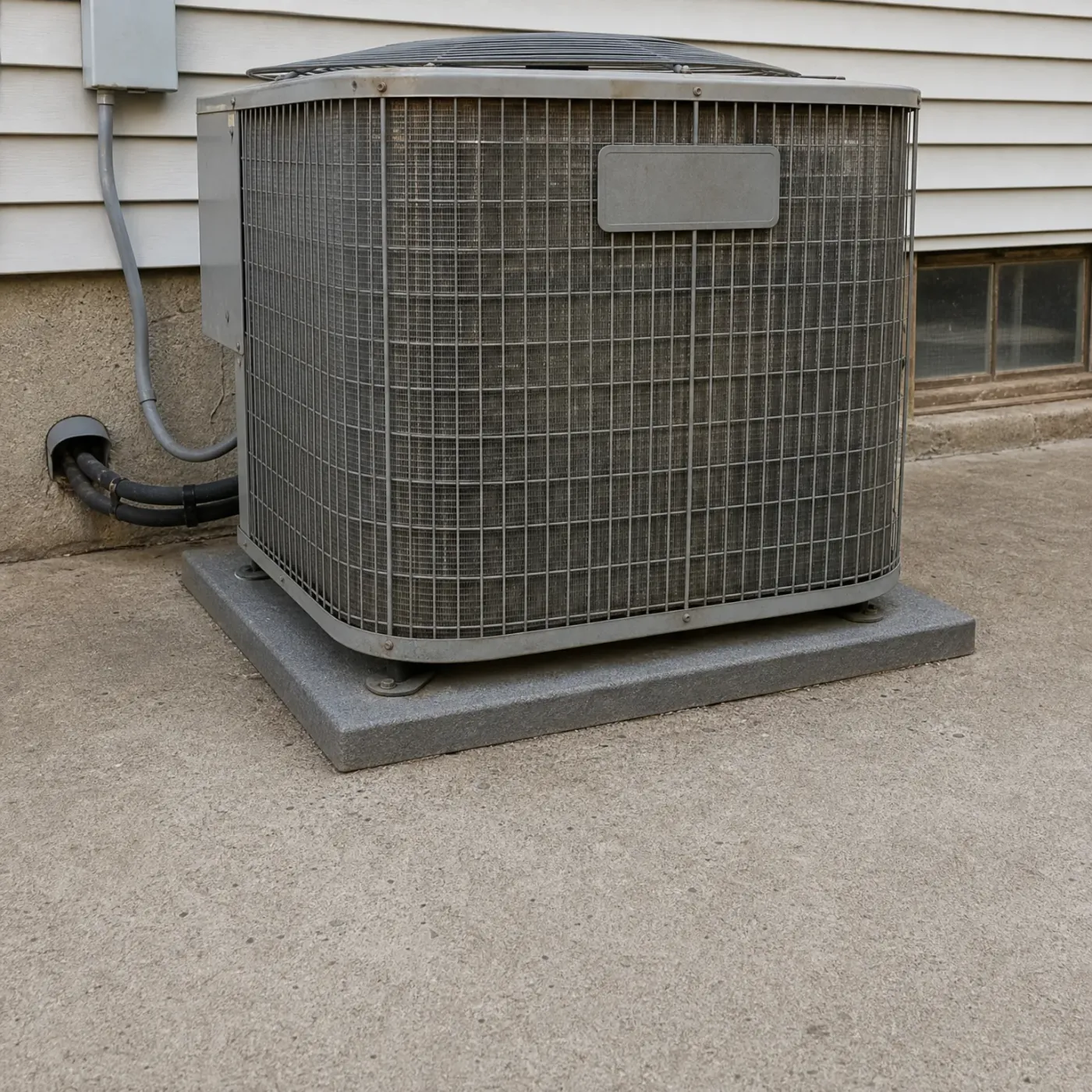
Dirt caked on the grilles, a disconnect box that's seen better days, lines that look worn. An outdoor unit left dirty like this loses airflow across the coil, and the compressor works harder to keep up. That wear adds up faster than people expect.



That's the typical working life of a central AC unit. If yours falls in that range and runs hard all summer here, repairs start costing more than they're worth.
If your unit still uses it, repairs that need a refrigerant recharge get expensive fast, since R-22 is no longer produced. That alone pushes many owners toward replacement.

By nine the sun's long gone and the upstairs room still holds the day's heat. The box fan sits in the window, pushing warm air around instead of out. You're on top of the sheets, not under them. Downstairs the unit kicks on, runs a long stretch, cuts off, and the room doesn't change much either way. You can hear it working through the floor vents. Out past the window, Cape Girardeau is quiet, everybody's AC humming the same way yours is, except maybe theirs is actually keeping up. You start doing the math on how many nights like this are left before fall, and whether it's worth paying someone to come look at what's going on before another one of these goes by.
A licensed pro who works in Cape Girardeau County gets your request.
You're not committing to anything by asking.
If your unit is past 13 years and you've already had one repair call this year, waiting until July to replace it means a stretch of hot days with no cooling while you wait on a new system and installation. Scheduling the swap in spring or fall, when a contractor isn't booked solid with emergency calls, gets it done before the heat sets in. You also skip the gamble of a breakdown on the one week it's 95 degrees and humid, when every other house on your street is calling for the same help.
If the unit is still under 13 years old and running fine apart from one minor fix, there's no reason to rush a replacement before summer ends. Keep the filter clean, get it checked before the heat really sets in, and let it finish the season. Replacing a unit that's still cooling well just because summer is coming means paying for a new system before you've gotten the full use out of the one you have. Wait until it actually starts failing you, not just because the calendar says August.
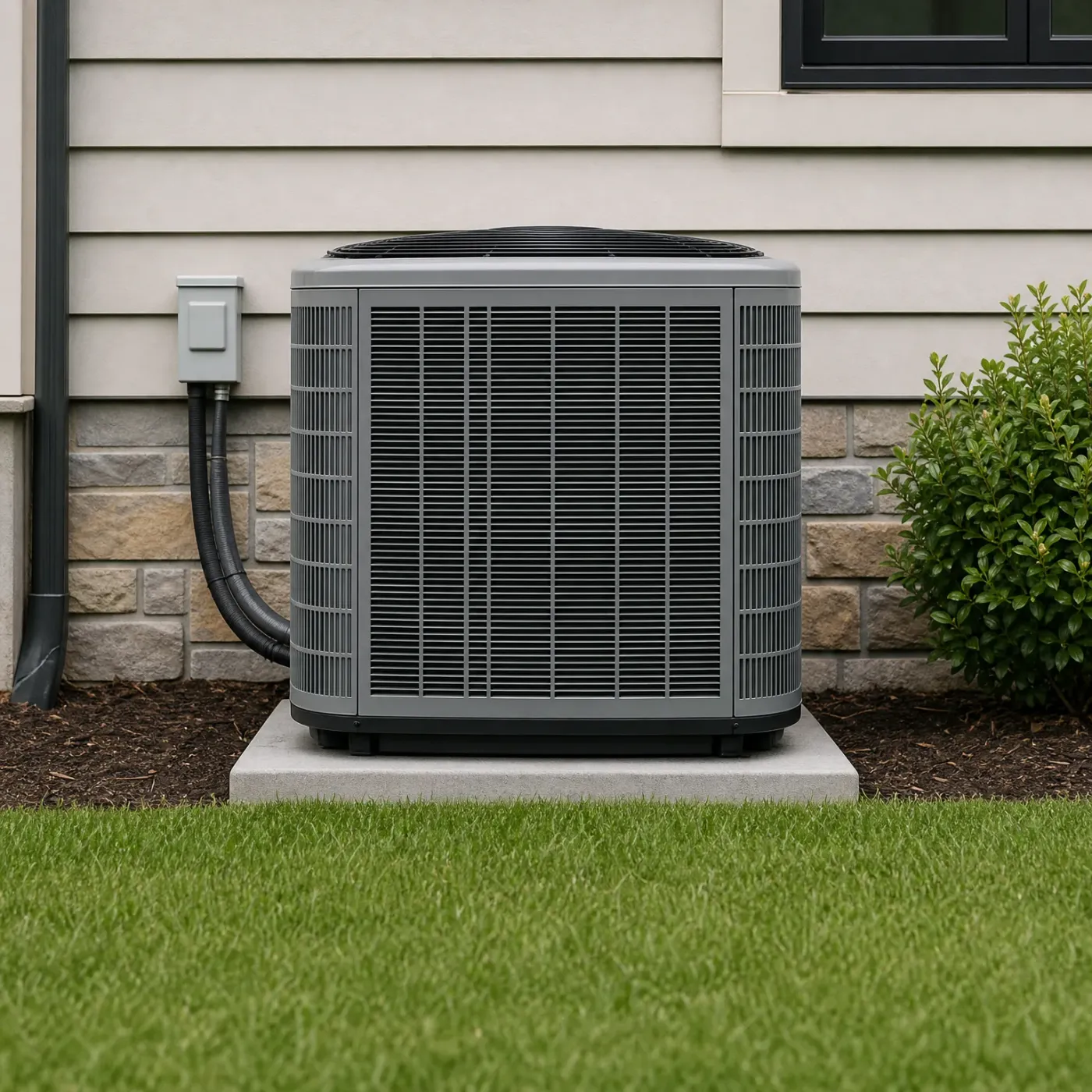
A central air conditioner cools by moving refrigerant between two coils. The compressor, sitting in the outdoor unit, pressurizes the refrigerant and sends it to the outdoor coil, where it dumps the heat it's carrying into the outside air, which is why that unit blows hot air when it's running. The refrigerant then travels inside as a cold liquid to the indoor coil, usually mounted above your furnace, where the blower pulls warm house air across it. The coil absorbs that heat and the now-cooled air goes back out through your ducts. An old compressor has to work harder to build the same pressure it used to build easily, so it runs longer to move the same heat, and a worn coil loses some of its grip on that heat exchange no matter how hard the compressor works. That's why an aging unit can run nearly all day in a Cape Girardeau summer and still leave the house a few degrees warmer than the thermostat says.


Five months of cooling is a long stretch to ask one unit to carry. From May into September, your AC isn't cycling on for a hot afternoon here and there, it's running close to daily. An aging compressor or a weak capacitor gets found out fast under that kind of stretch.
NOAA nClimDiv 1991-2020
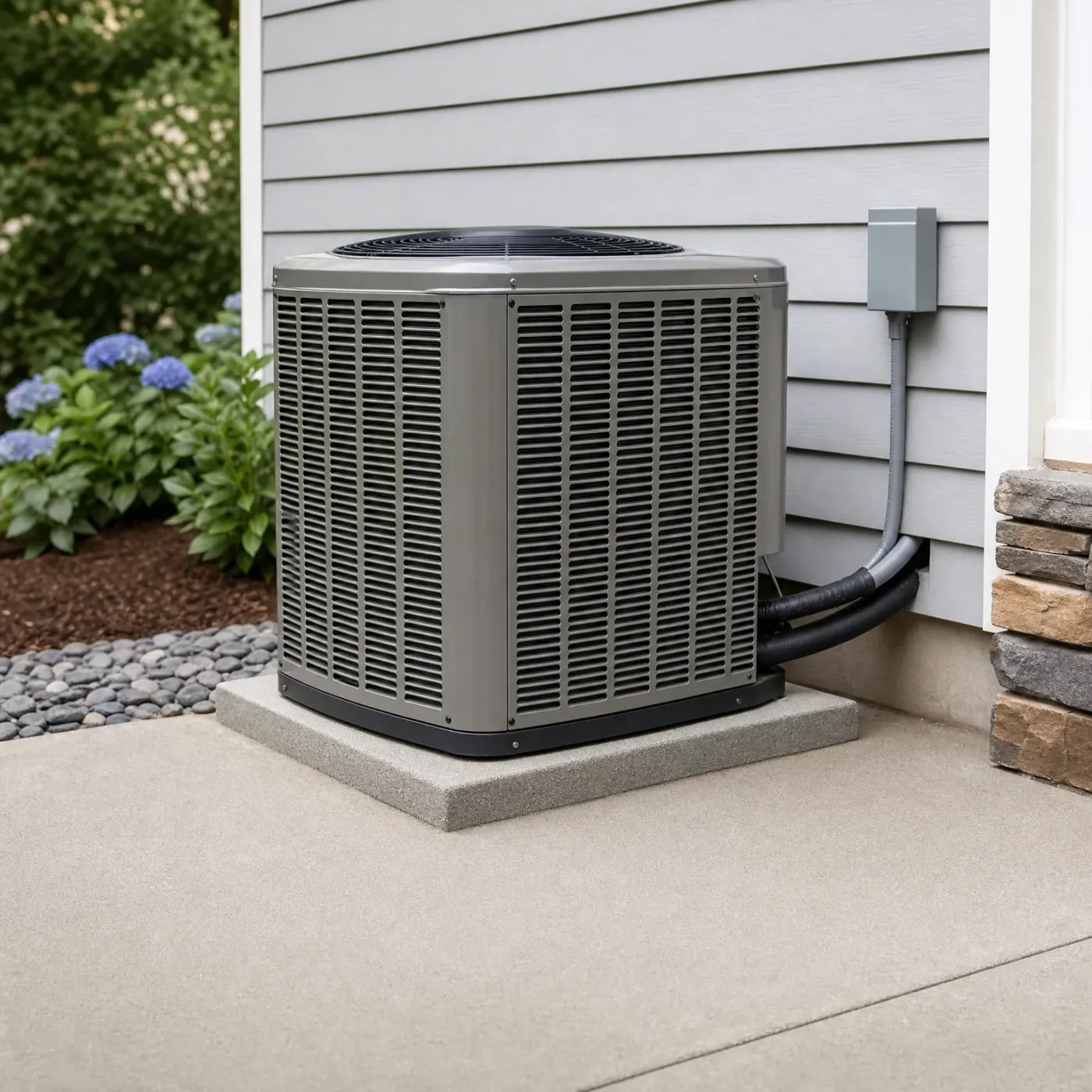
A unit kept clear of leaves and mulch, with the fins open and the disconnect box dry and intact, is set up to last. Lines run straight into the wall with no sign of strain. If yours looks like this, let it keep running.
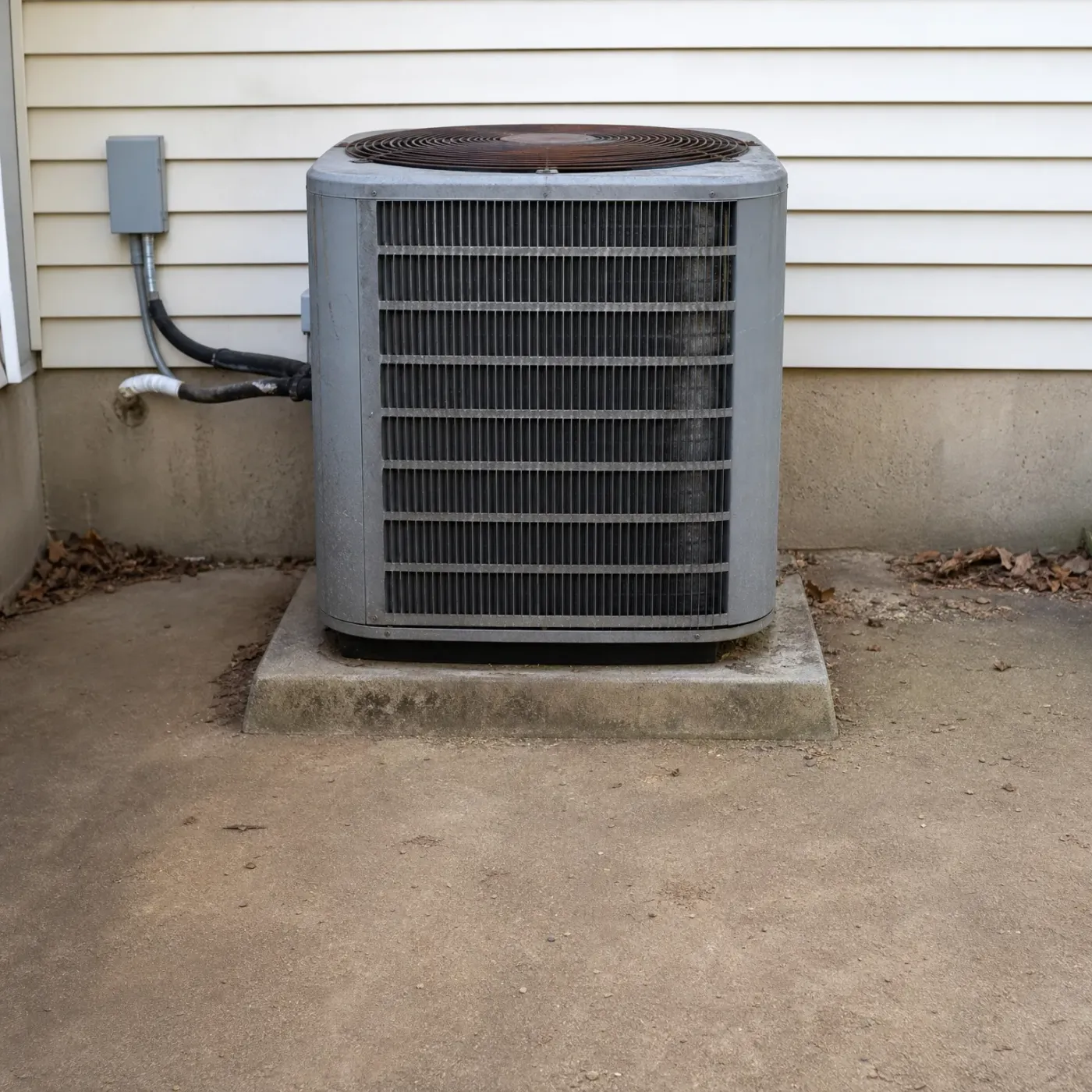
Rust on the shroud and dirt packed into the fins mean the unit has been fighting through summers without much help. That grime blocks airflow and makes the compressor work harder than it should. Age shows on the outside before it shows on your bill.

If your unit is under 10 years old and running fine, the answer is simple. Keep it maintained and let it finish out its years. If it's past 13 and this summer already cost you a repair call, replacing it before next May saves you a stretch of days with no cooling while you wait on a new system during the hottest part of the year.
Either way, you don't have to figure out the rest on your own. A local contractor who works on these units all summer, every summer, can look at yours and tell you straight whether it's worth fixing again or whether your money is better spent on a new one. You'll be matched with one contractor who knows the equipment in this area, not a handful of companies competing for your call.

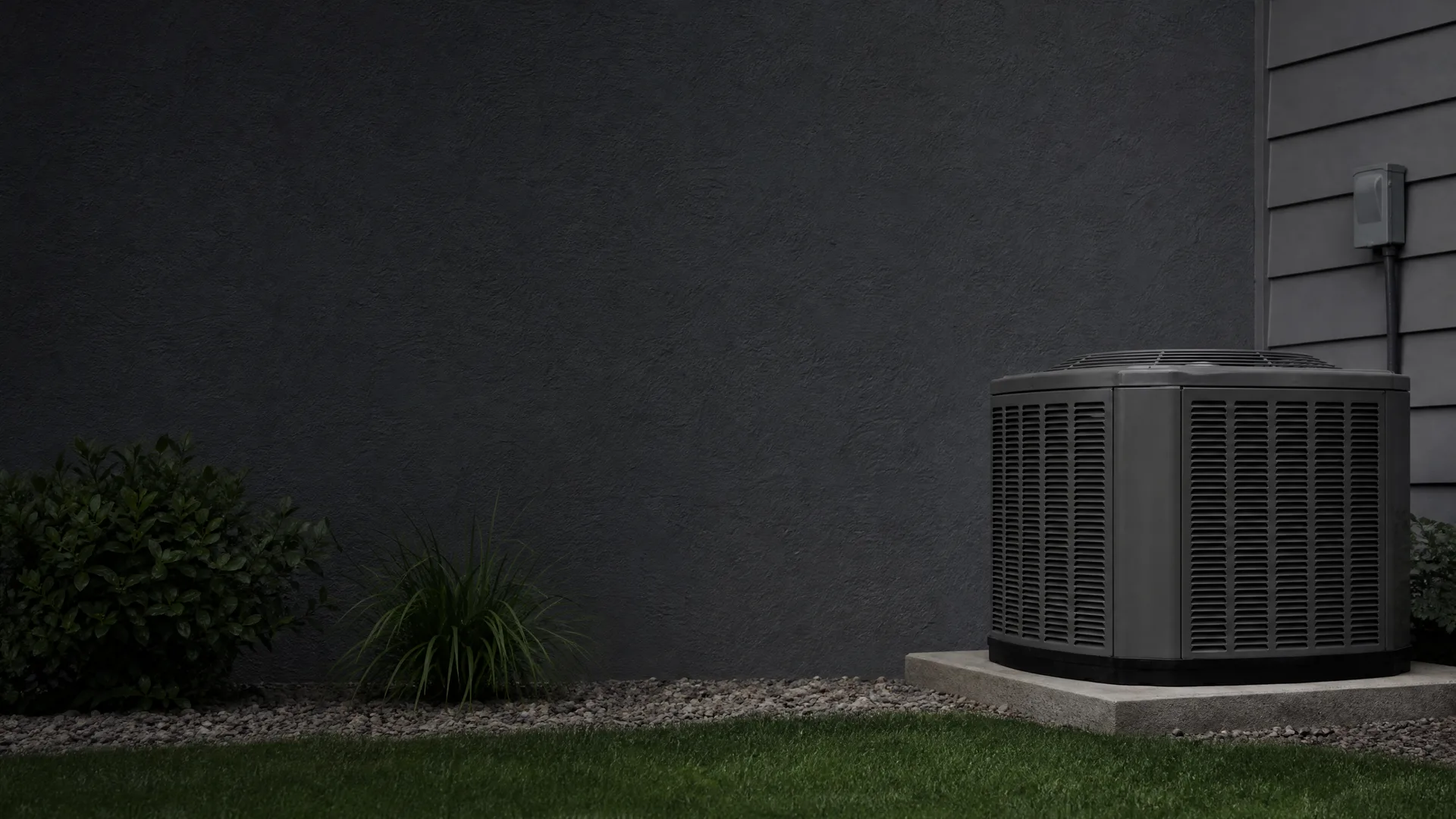
The pro who gets in touch is licensed in Missouri and works in Cape Girardeau County.