





Get AC Missouri
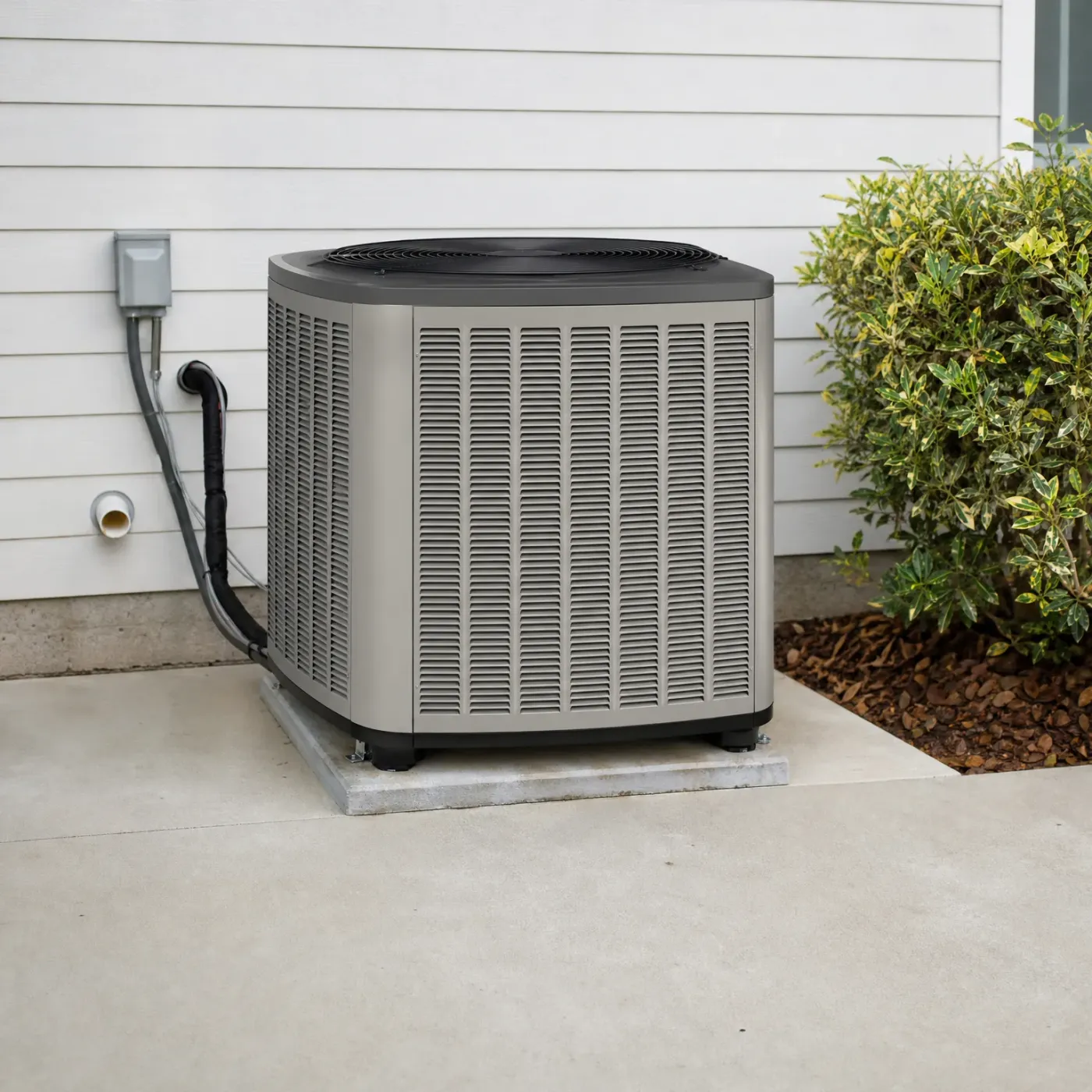
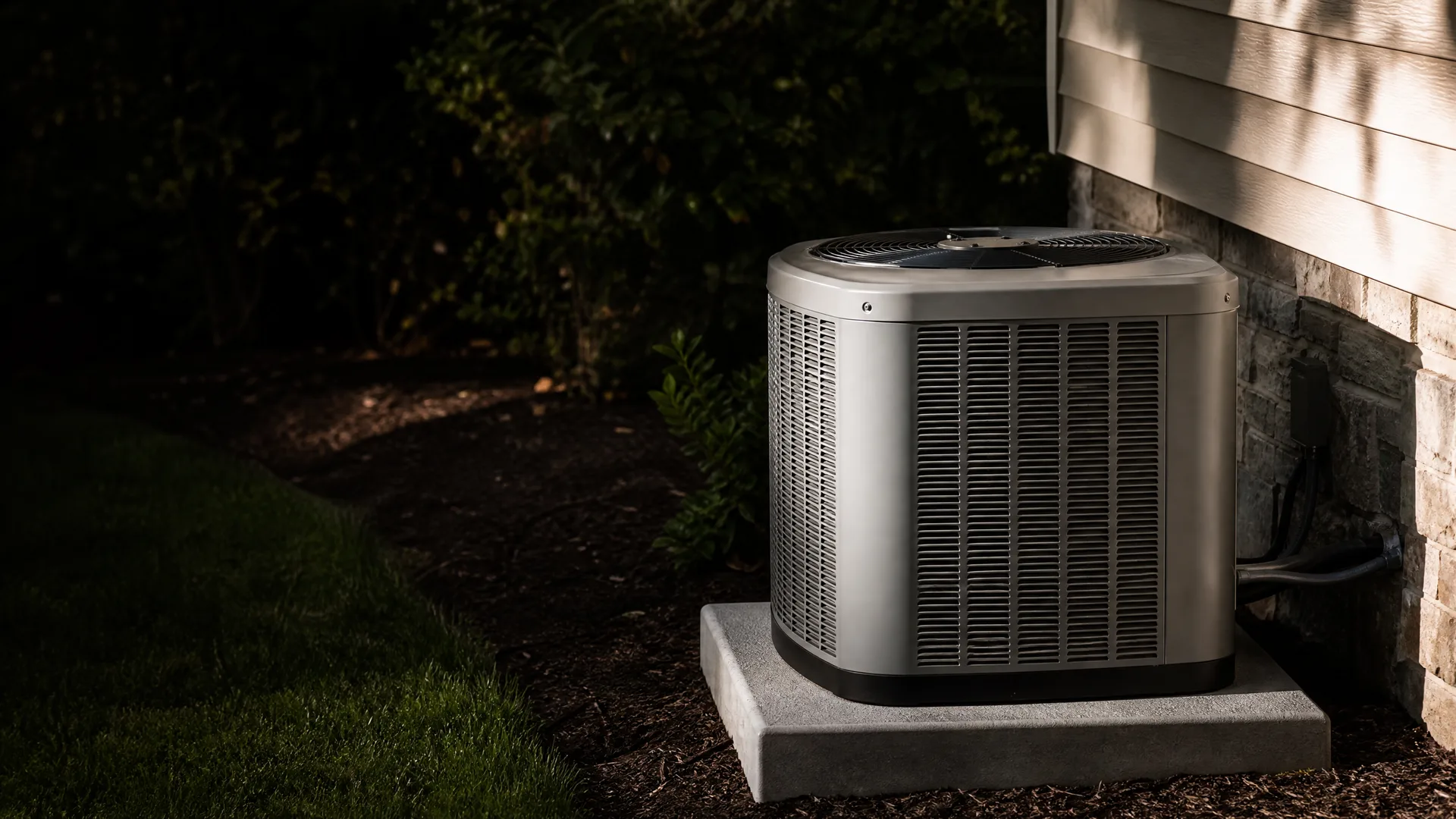
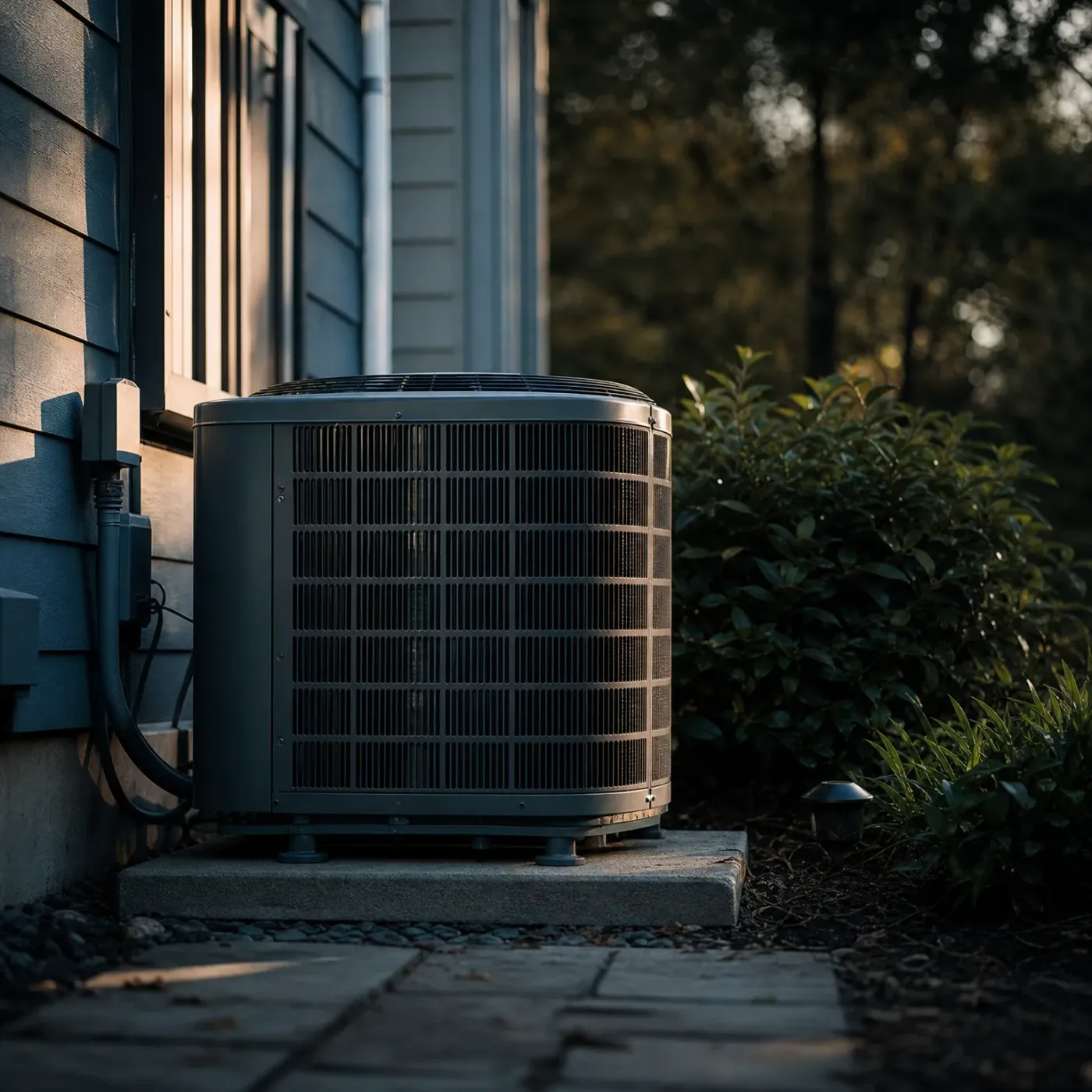
An outdoor air conditioning condenser unit on a concrete pad beside a house with horizontal siding, with an electrical disconnect box on the wall and shrubs to the right in low evening light.

A pro who works on air conditioners

Is a variable-speed AC worth it in Missouri

Humidity sticks around Missouri for most of the summer, and that's what pushes people to ask about variable-speed AC. It runs longer at lower output instead of blasting cold air and shutting off, so it pulls more moisture out as it goes. Below, what that means for comfort and for a gas-heat home, and a way to get matched with a contractor who can look at your setup and tell you if it fits.

Match me with a pro

A variable-speed AC is worth it for most Missouri homes, because it matches what humid summers here actually demand. A single-stage unit cools fast and shuts off, leaving moisture behind in the air between cycles. A variable-speed one runs at low output for long stretches, so it keeps pulling humidity out the whole time it's on, not just when it happens to be running. That matters in a state where the air stays sticky from June into September. Since Missouri power is cheap, the energy savings alone won't be the reason to pick one. The real difference shows up as comfort: steadier temperatures room to room, less clamminess at the same thermostat setting, and a system that doesn't swing the house between cold blasts and warm lulls. If your current AC leaves rooms feeling damp even when it's cooling, that's the problem a variable-speed system is built to fix.

A woman with long gray hair wrapped in a checked blanket sits on a sofa by a window with yellow autumn foliage outside, with a lamp, framed picture and plant in the background.
An older woman in a cream knit sweater sits on a sofa by a window, looking out at sunlit trees with yellow and orange autumn leaves, with a bookshelf and lamp behind her.
A woman with gray shoulder-length hair in a dark knit sweater sits on a cushioned seat by a window, looking out at yellow autumn foliage, with a living room, armchair, houseplant and framed picture behind her.
An older woman with gray hair in a bun, wearing a cream knit sweater, sits on a sofa with a gray blanket and looks out a large window toward yellow-green autumn trees, with a lit table lamp and dark armchair behind her.
A woman in a cream cardigan and jeans stands with one hand raised facing an open front door of a gray horizontal-siding house, with a black lantern wall light, a potted shrub with yellow flowers, and a stone-faced porch column.

What a longer, slower cooling cycle means in your house

A single-stage AC leaves your house feeling damp between cycles, even when the thermostat says you're at temperature. You notice it on the back of your neck, in sheets that feel clammy, in windows that fog up on a muggy afternoon. A variable-speed unit sitting at low output for hours keeps pulling that moisture out the whole time, so the air feels drier at the same setting. Some households raise the thermostat a couple of degrees and still feel more comfortable than they did before.

There's also what you don't hear. A single-stage system kicks on hard and loud, then cuts off, over and over through a July afternoon. A variable-speed one holds a steady, quieter hum instead of that start-stop cycling. If a system in your house is old enough to be on its way out, or you're already shopping for a replacement, a local contractor can walk through what your home actually needs and whether variable-speed makes sense for it. Once you send that request, that part stops being something you have to figure out alone.

A living room corner with a light beige sofa holding a textured taupe cushion, a large ceramic vase of olive branches by a window, a framed neutral artwork on the wall, and a dark bowl with stacked books in the foreground.
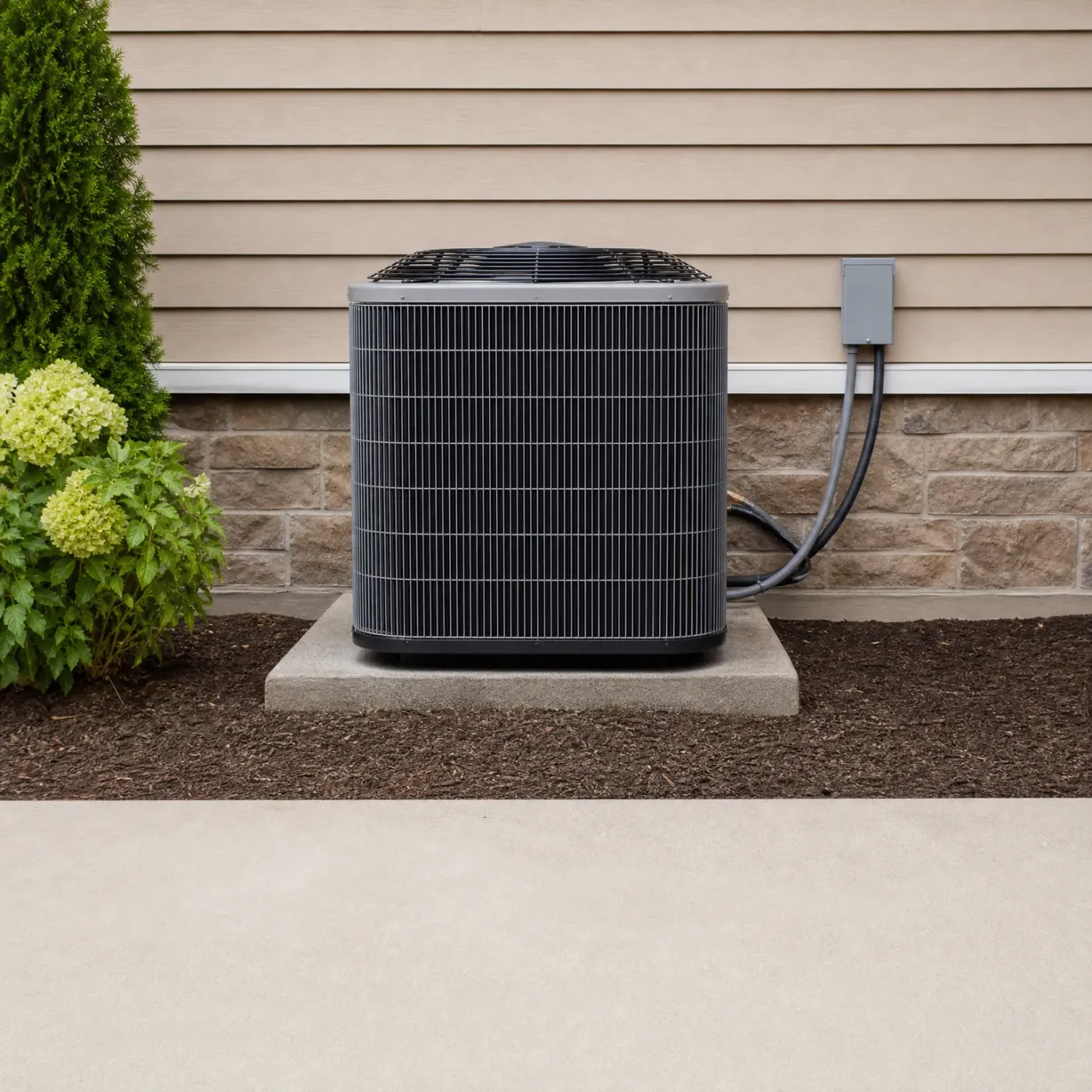
An outdoor air conditioner condenser unit on a concrete pad beside a house with beige horizontal siding and a stone-veneer base, with refrigerant lines running to a gray wall-mounted electrical box, surrounded by dark mulch, a flowering shrub and an evergreen on the left.

A single-stage unit at rest

This is what a single-stage AC looks like most of the day. It blasts cold air until the thermostat is satisfied, then shuts off completely. Between cycles, humidity creeps back into the house. It's running, but only in short bursts, so it never runs long enough to pull much moisture out.
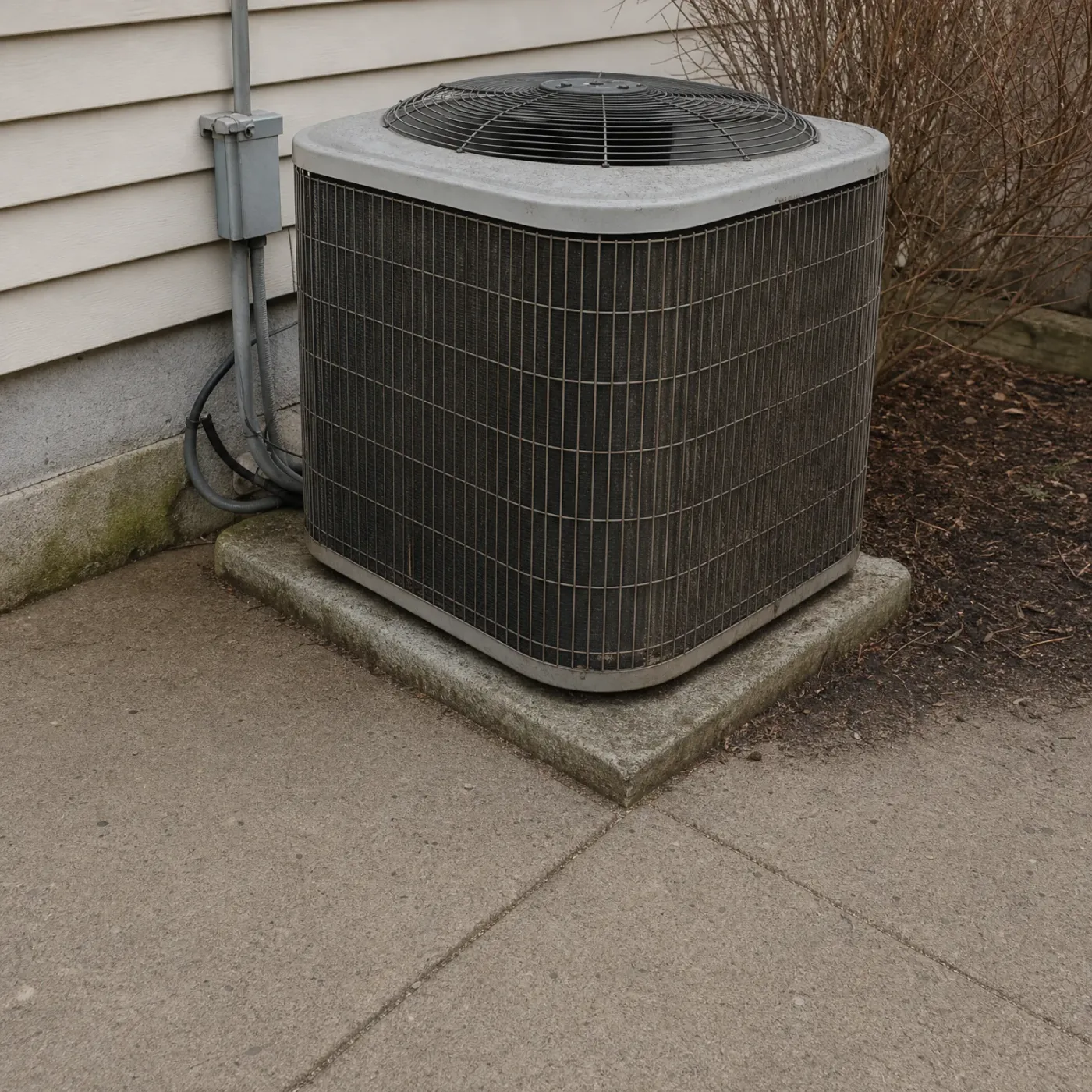

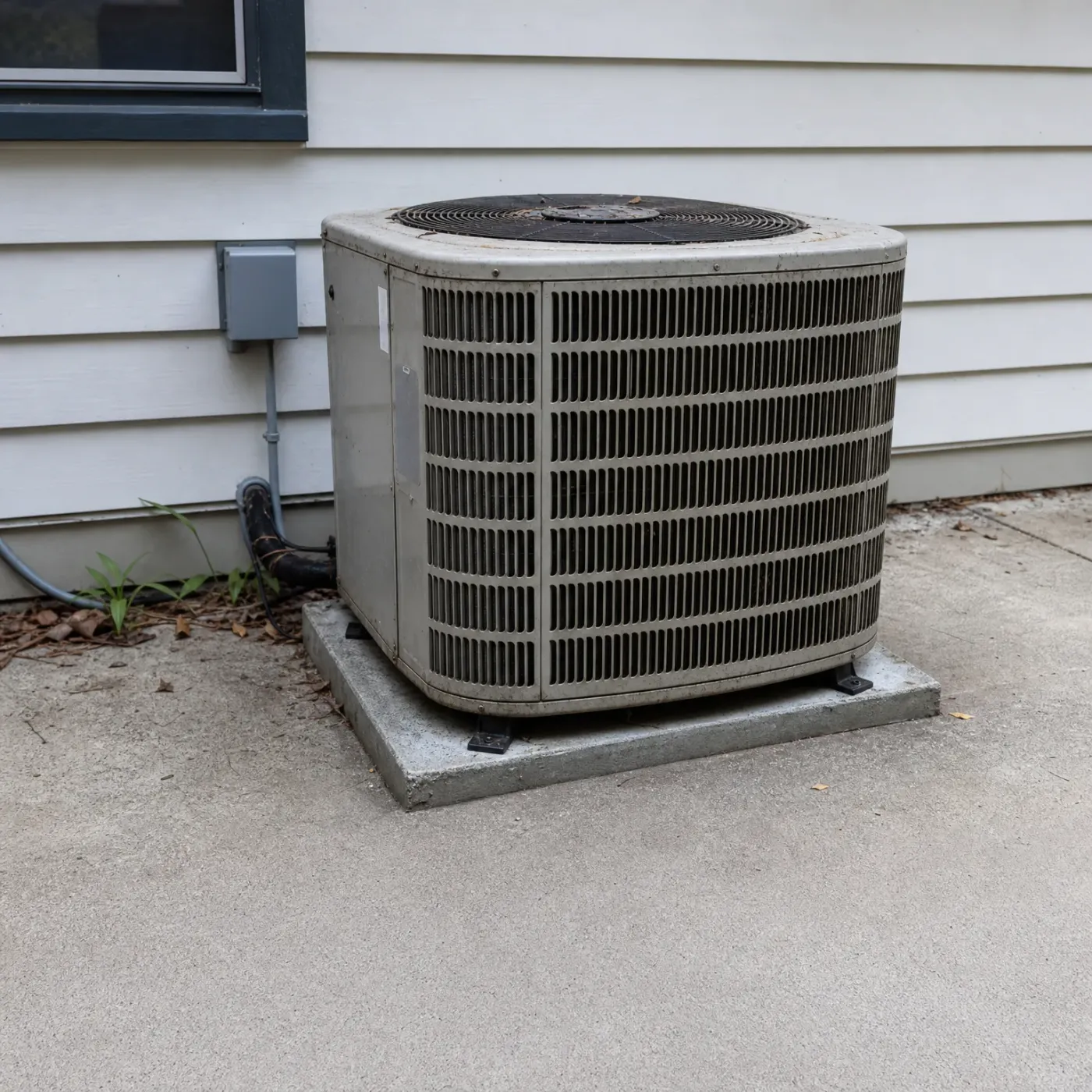
An outdoor air conditioning condenser unit on a concrete pad beside a house with light vinyl siding, an electrical disconnect box and conduit on the wall, bare shrubs and mulch to the right, and a concrete walkway in the foreground.

A single-stage unit struggling

This is the same unit on a sticky July afternoon, cycling on and off, working harder but not keeping up. Short cycles mean more wear on the compressor and less time spent actually drying the air. A variable-speed unit avoids this by running steadily at low output instead of starting and stopping.

A woman in a cream knit sweater sits in an armchair with her eyes closed and a slight smile, beside an open window showing orange autumn foliage, with a mug, books and a lit candle on a small side table.
An older man with gray hair and a beard leans back on a beige sofa with his eyes closed, in a sunlit room with potted plants, a wicker chair and large windows behind him.

The outdoor unit's control board is what makes a variable-speed system different. It reads the thermostat and the conditions in your house, then ramps the compressor up or down instead of just switching it on and off. On a mild day it might run at a fraction of full power for hours. The indoor blower follows along, slowing down to match, so the air moving across the coil is gentler too. That slower air sits on the coil longer, and refrigerant moving through it has more time to pull moisture out before the air gets pushed back into your rooms. A single-stage compressor doesn't have that range. It has one speed, full power, so the blower moves the same volume of air every time it kicks on, whether your house needs a little cooling or a lot. That's the mechanical difference behind what you feel in a humid house: not a stronger system, a system that can run longer at less effort and take the moisture out as it goes instead of all at once.

How a variable-speed system runs

  • A variable-speed compressor adjusts its motor speed in small steps instead of switching only between off and full power.
  • The outdoor unit's control board reads signals from the thermostat and ramps the compressor up or down to match the load.
  • Indoor humidity and outdoor temperature both factor into how long a cycle runs, not just the temperature on the thermostat.
  • The indoor blower motor adjusts its speed to match the compressor, so air moves slower when the system is running at low output.
  • At low speed, refrigerant still flows through the coil, and the slower air across it gives moisture more time to condense out.
  • A single-stage compressor has one setting, full power, so the blower moves a fixed volume of air every time it runs.
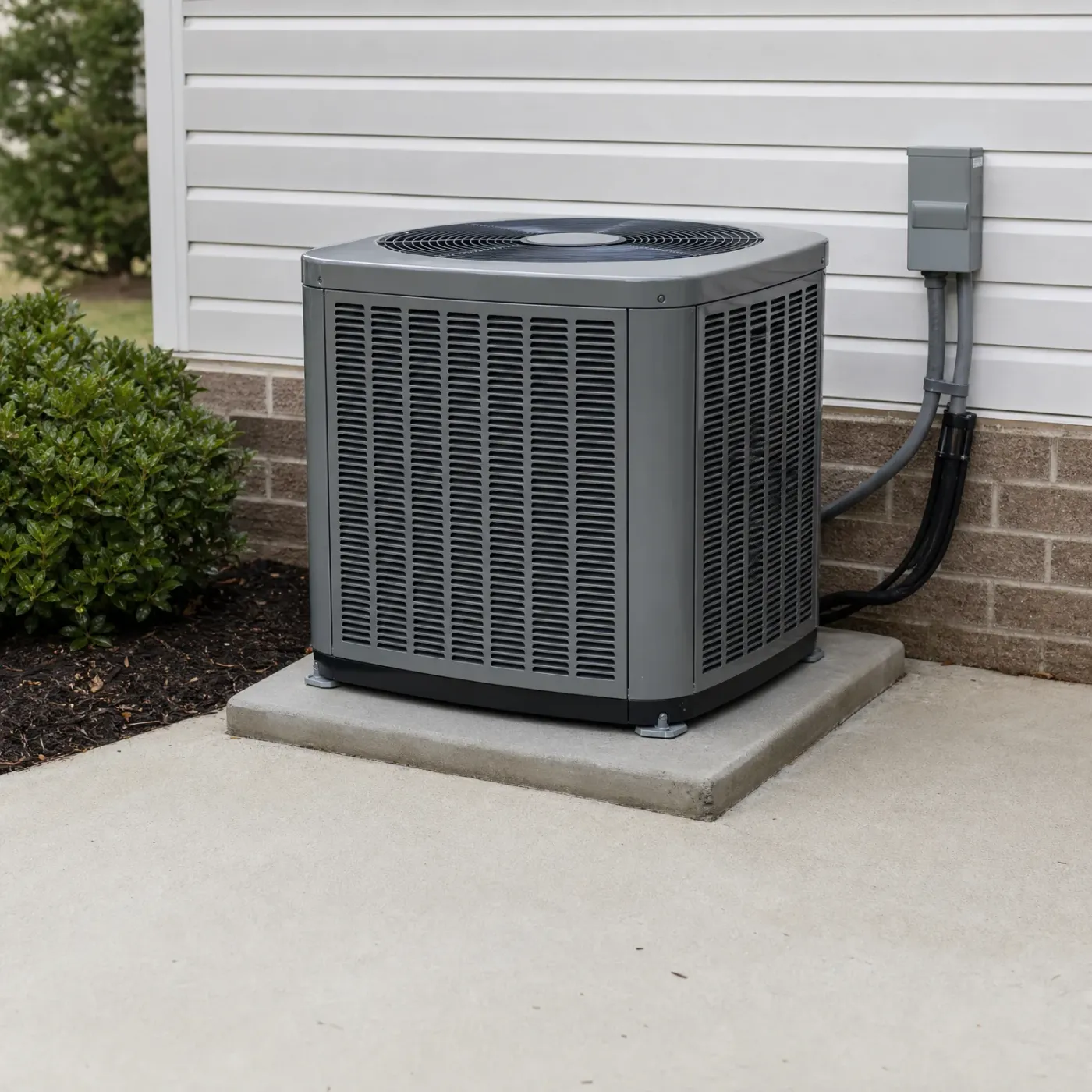
An outdoor air conditioning condenser unit on a concrete pad beside a house with white horizontal lap siding, with an electrical disconnect box and insulated refrigerant line on the wall and a shrub over mulch to the right.
Working steadily, it keeps running at low output for hours, pulling moisture out of the air while the house stays at temperature.
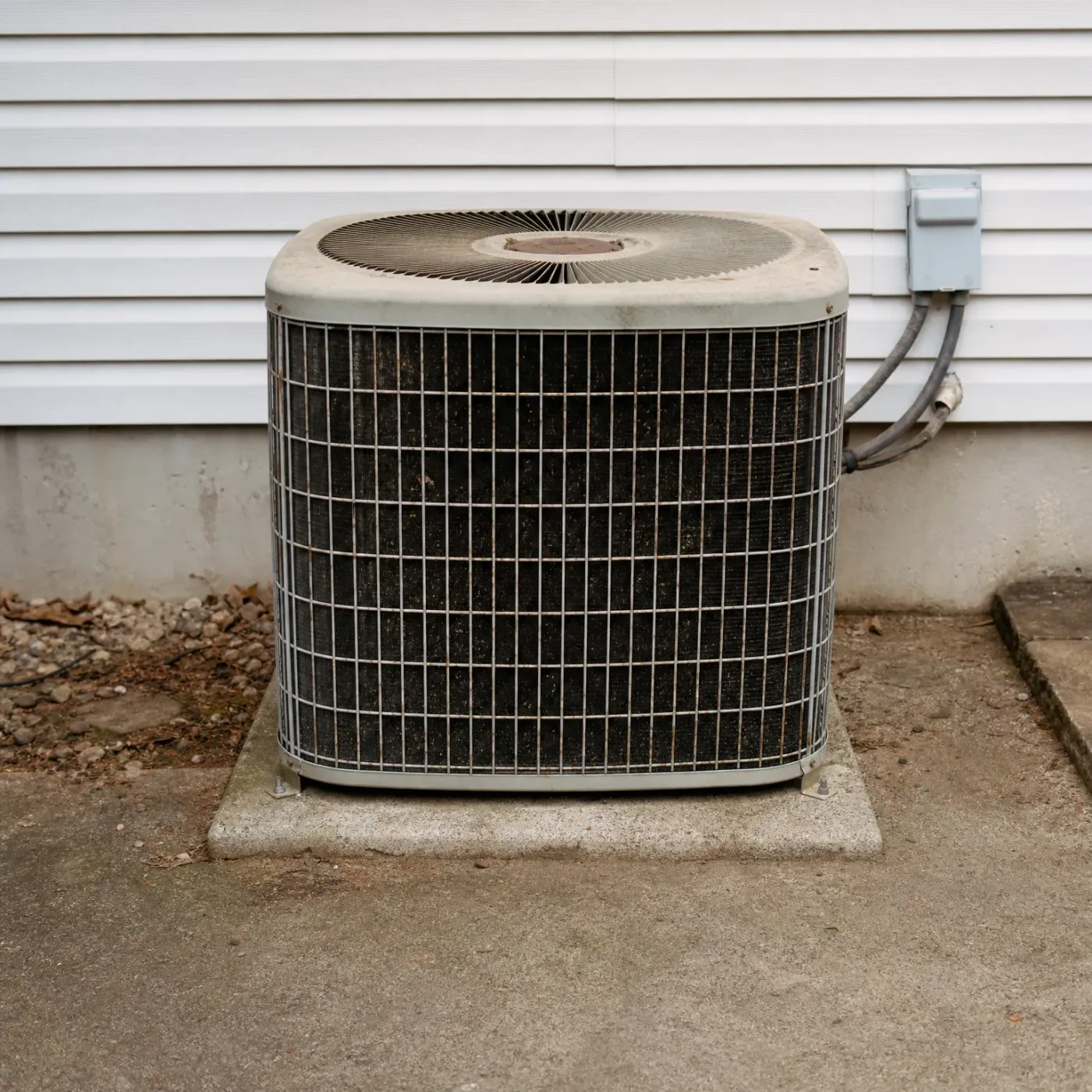
An outdoor air conditioner condenser unit on a concrete pad beside a house with light horizontal lap siding, with an electrical disconnect box and conduit on the wall behind it.
Aging and worn, it struggles to keep up on single-stage cycles, leaving rooms sticky and running the compressor harder than it should.
  1. The thermostat calls for cooling and sends a signal to the control board.

  2. The control board sets a compressor speed to match the load.

  3. The compressor ramps up gradually instead of jumping to full power.

  4. Refrigerant flows through the coil at a rate matched to that speed.

Variable-Speed vs. Single-Stage AC

Variable-speed

  • Runs most of the day at low output, so it keeps pulling moisture out of the air instead of stopping once the thermostat is satisfied.
  • Costs more to install than a single-stage unit, and that difference doesn't show up in a power bill when electricity is cheap where you live.
  • Matches its output to the load, so a mild June afternoon and a brutal August one get different responses from the same system.
  • Puts less strain on the compressor over time, because it ramps up gradually instead of jumping straight to full power on every cycle.
  • Needs a thermostat and ductwork able to work with staged signals, so an older setup may need more than a swapped outdoor unit.
  • Keeps indoor humidity steadier through the day, which matters most in a state where summer air carries a lot of moisture.

Single-stage

  • Costs less to install, since there's no staged compressor or added control logic to pay for.
  • Runs at full power and shuts off, so it cools the house quickly but leaves humidity to creep back in between cycles.
  • Works with simpler ductwork and controls, which can matter if your home's gas furnace and AC share an older system.
  • Short, hard cycles put more wear on the compressor over the years than a system that ramps up gradually.
  • Leaves rooms feeling damp even at the set temperature, because the air stops moving once the thermostat is satisfied.
  • Is a straightforward swap if you're not changing the thermostat or ductwork already in place.
An outdoor air conditioning condenser unit on a concrete pad beside a house with white horizontal vinyl siding, with a gray electrical disconnect box and refrigerant lines on the wall behind it.
Before you get your air conditioner installation
A gray outdoor air conditioner condenser unit on a concrete pad beside a house with white horizontal siding and a brick foundation, with a wall-mounted disconnect box and conduit, and a green shrub with mulch at left.
After you get your air conditioner installation

Get your air conditioner to the right pro

One request ends the search for an air conditioner installer.

You're not committing to anything by asking.

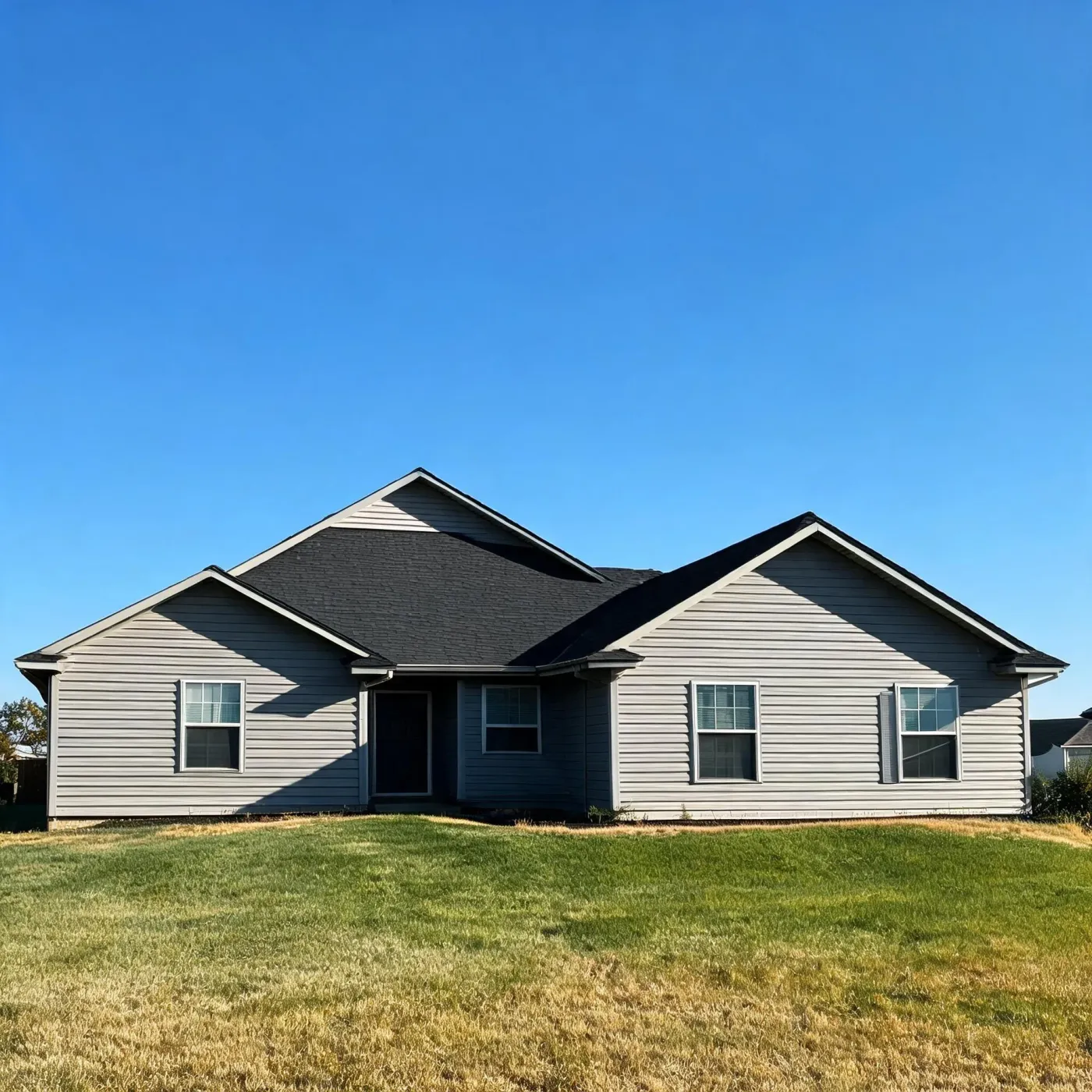
A single-story house with gray vinyl siding, dark shingled gable roofs, and white-trimmed windows, set behind a partly dry green lawn under a clear blue sky.

Summer air in Missouri holds a dew point around 66°F, averaged across June, July and August. That's heavy, sticky air, the kind that sits on your skin even in the shade. A single-stage AC fights that air in bursts, cooling it fast and then going quiet while moisture seeps back in. A variable-speed unit stays on, moving air slowly across the coil for hours at a stretch, which is what it takes to wring that much moisture out of air this thick. You'd notice it as a house that feels dry even on the muggiest afternoon, not just cool. Source: NOAA climate normals.

NASA POWER T2MDEW county cells weighted by homes

Why does your house feel damp even when it's cool enough

You walk in, check the thermostat, and it says you're at temperature. But the air feels heavy. Bedsheets feel clammy at night. Wood floors feel tacky underfoot. Windows fog up on the inside during a hot afternoon. You might notice a musty smell in a closet or a bathroom that never quite airs out. That smell is moisture sitting in the house longer than it should. Left alone, that kind of dampness is what mildew needs to take hold in bathrooms, closets, and anywhere air doesn't move much. If you've been raising the thermostat a degree or two just to feel comfortable, the problem isn't the temperature. It's the moisture your air conditioner isn't pulling out.

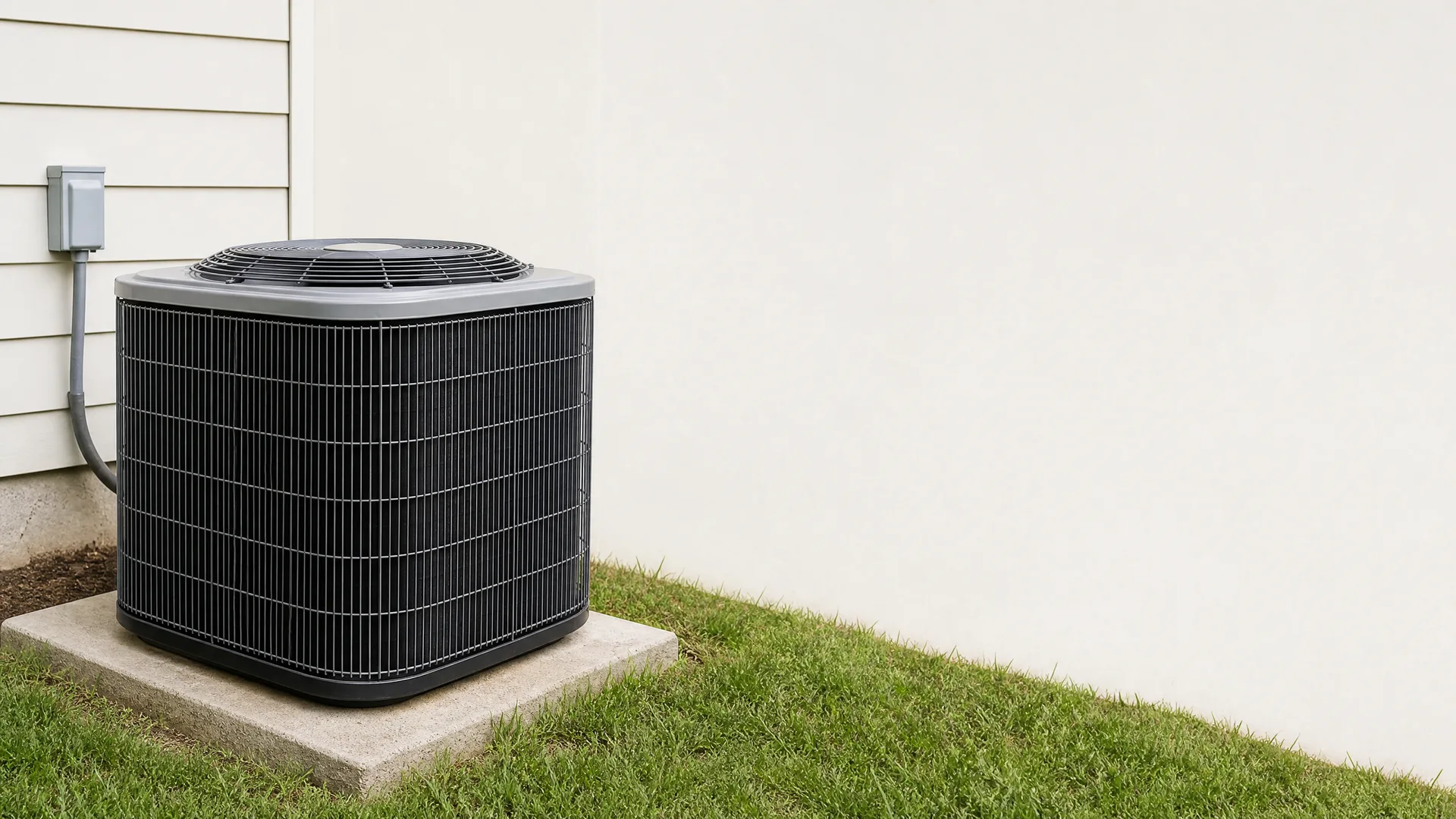
An outdoor air conditioner condenser unit on a concrete pad beside a house wall, with a gray electrical disconnect box and conduit above it and grass in the foreground.

Electricity in Missouri runs cheap

Power here costs less than it does in most states, and that changes the math on a variable-speed unit. The extra you pay upfront doesn't come back fast through lower electric bills, because the bills were never that high to begin with. A longer payback isn't a reason to skip it. It just means the case for one has to rest on comfort in a sticky summer, not on what you save each month.

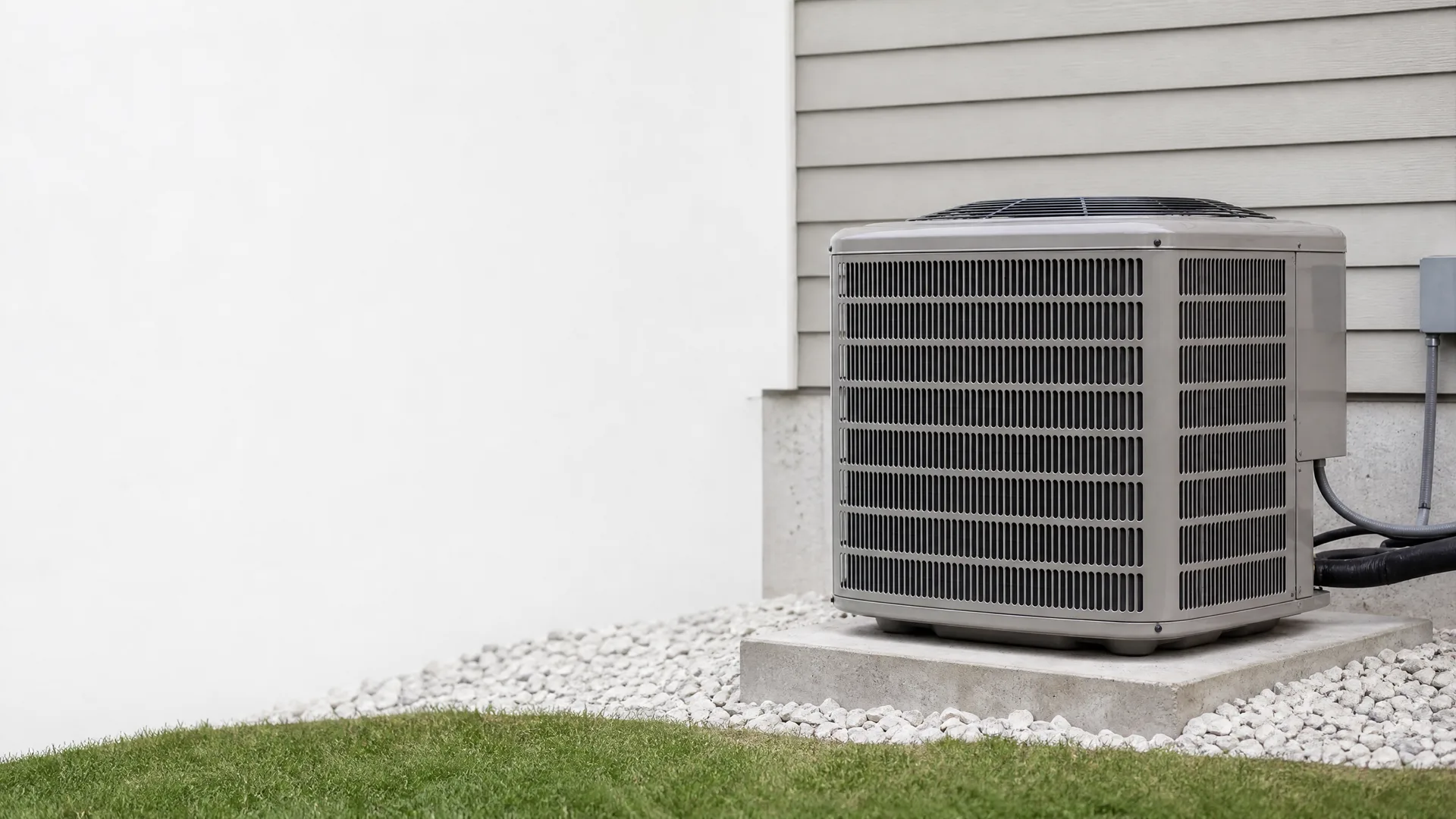
A gray outdoor air conditioner condenser unit on a concrete pad beside a house with horizontal lap siding, surrounded by white gravel and a lawn, with a white wall at left.

Gas heat changes what you're buying

Most houses in Missouri heat with gas, so the furnace and the AC are separate questions here in a way they aren't in homes with a heat pump. You're not weighing one system that has to handle both jobs. You're deciding what the air conditioner alone should do for you from April through October, and that's a simpler decision: how much humidity you're willing to live with between cycles.

Power costs 13.30 cents per kilowatt-hour statewide

At 13.30 cents per kilowatt-hour, running your AC longer at low speed instead of blasting full power won't spike your bill much. That's what makes the comfort case for variable-speed easy here: you get the drier air without paying through the nose in electricity to get it.

EIA-861 2025 statewide residential average

Where this leaves you

  • A variable-speed AC is worth it in Missouri because it handles humidity a single-stage unit can't keep up with.
  • The comfort case is the real one here, since cheap power means the upgrade won't pay for itself through lower electric bills.
  • Longer, slower cooling cycles pull moisture out of the air steadily instead of leaving your house damp between bursts of cold air.
  • Most Missouri homes heat with gas, so this decision is about your AC alone, not a package deal with a furnace swap.
  • A contractor who knows Missouri summers can size the right unit for your house and tell you what installation involves.
  • Once you send the form, finding that contractor is off your plate, and they reach out to you.

A variable-speed AC earns its place in a Missouri home because of what the air does to you from June through August, not because of what it does to your power bill. You've seen why: a single-stage unit cools the air fast and then quits, and the damp creeps back in before the next cycle kicks on. A variable-speed unit stays on at low output instead, so your house doesn't swing between cold and clammy. That's the whole case, and it holds whether your electric bill is high or low, because at 13.30 cents per kilowatt-hour the difference in running cost was never going to be what sells this.

Your furnace isn't part of this decision. Most houses here heat with gas, so swapping in a variable-speed AC doesn't mean touching anything else in the system. It's a choice about the one machine that fights Missouri summers, sized to your house and your ductwork, which is something a contractor needs to look at in person rather than guess at from a search page.

That's the part that happens next, and it's no longer something you have to chase down. Send the form, and a contractor who installs these in Missouri homes gets your details and reaches out. You've done the part that takes thought. The rest is a phone call.

An outdoor air conditioner condenser unit sits on a concrete pad beside a house with horizontal siding and stone veneer, next to mulch, shrubs, and grass.

The right pro for this job

Step 1 of 3: Equipment