

How to lower your AC bill in a Missouri summer
Send the form and the air conditioner tune-up stops being something to remember.
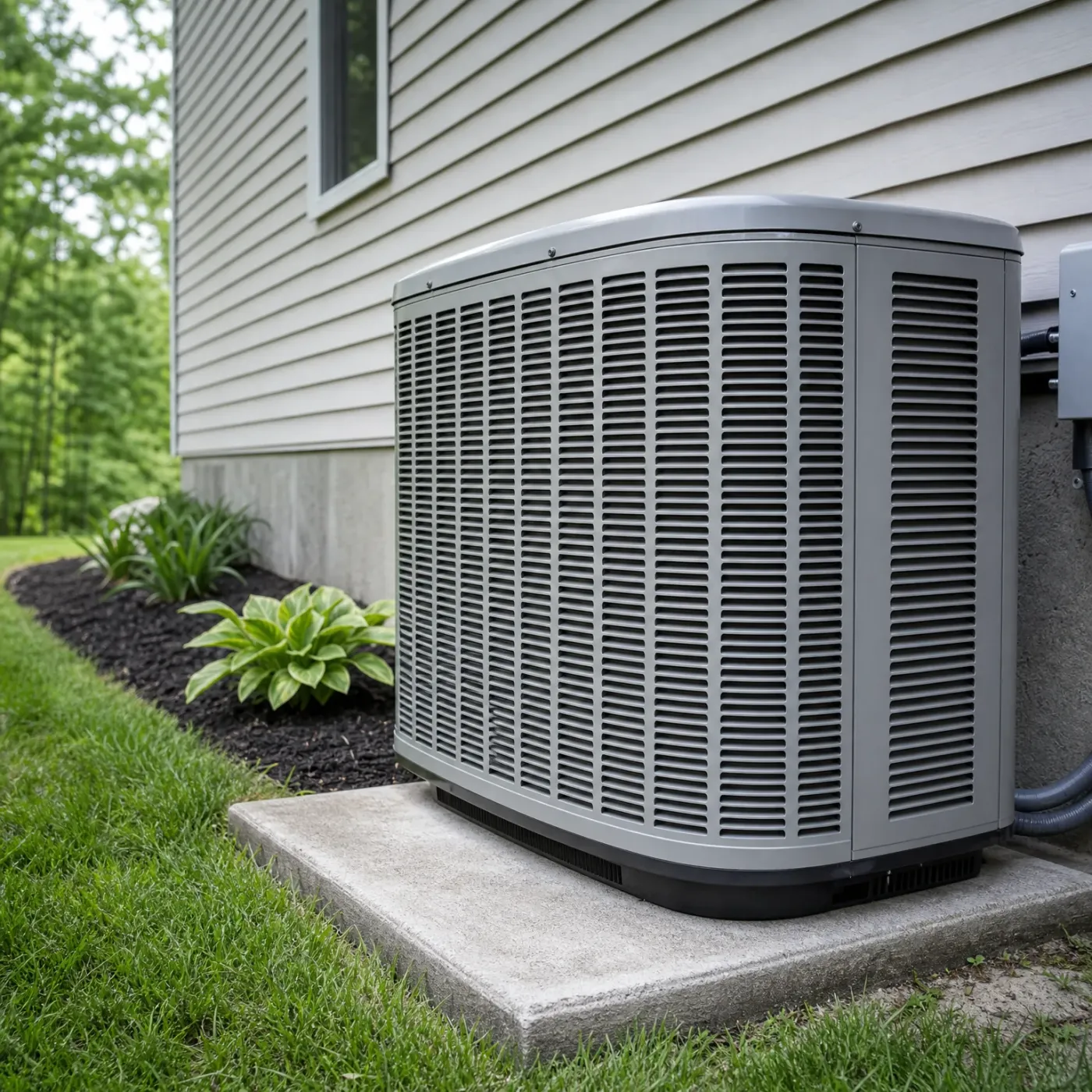
Let a pro reach outThe biggest thing you can do is get your air conditioner serviced before the heat sets in, so the coil, the refrigerant charge, and the airflow are all working the way they're supposed to. A dirty coil or a unit low on refrigerant has to run longer to cool the same house, and in a Missouri summer that means long stretches where it barely shuts off. Power here is cheap, so the bill doesn't always jump the way you'd expect, but the system still wears harder and shortens its own life running that way. Most homes here heat with gas, so your furnace isn't part of this, but the AC carries the whole load from the first hot week through the last one. A tuned system cools the same house using less electricity to do it, and it doesn't have to strain to keep up when the heat really sets in.

Why a dirty coil costs you
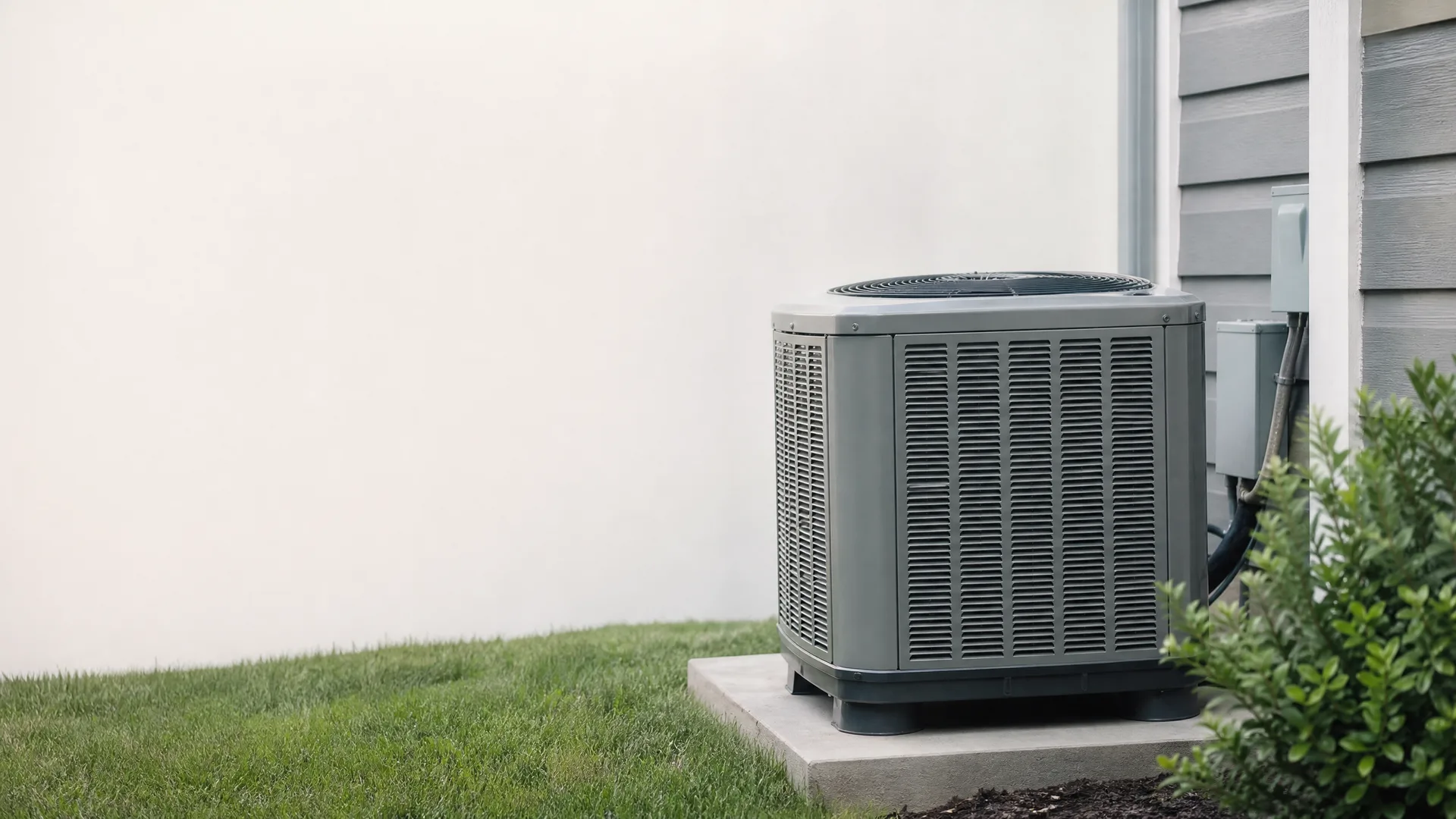
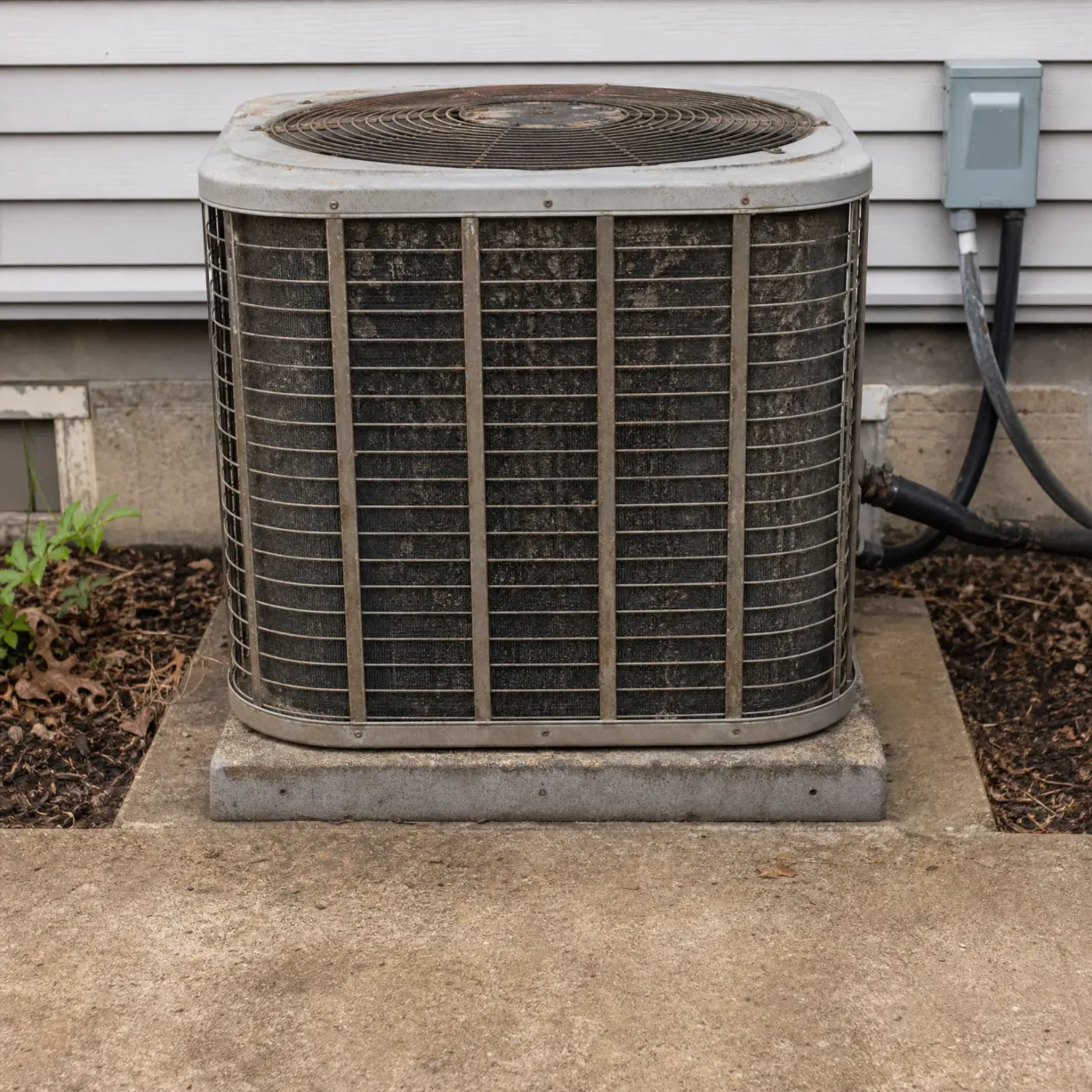
The outdoor coil gives up heat from the refrigerant to the air outside. When it's coated in dust and cottonwood fluff, that heat transfer slows down, and the compressor has to run longer to get the same cooling. In Missouri, where cut grass and pollen are in the air all summer, that coil can load up fast. A contractor cleans it during a maintenance visit, and the unit stops working harder than it has to.
What low refrigerant does
Your AC doesn't use up refrigerant the way a car uses gas. If the charge is low, it's because there's a leak somewhere in the line. A unit running low has to work longer to pull the same heat out of your house, and over weeks that shows up as a higher bill. A technician checks the charge against what the system is supposed to hold and corrects it if it's off.
Why is your AC bill climbing even though the house feels the same?
You notice it on the bill before you notice it in the house. The AC is running more than it used to, and the air coming out of the vents doesn't feel as cold as it should. Maybe it runs almost nonstop on the hot, sticky afternoons, trying to hold the temperature where you set it. You might hear it cycling on again just minutes after it shut off. Some rooms stay warmer than others no matter how low you set the thermostat. None of this means the unit is finished. It usually means it's working harder than it has to, and on a muggy Missouri afternoon, a unit that has to work harder runs longer, pulls more power, and still falls short of keeping the house as cool as you want it.




Finding a pro stops being your job
Fill out one form instead of calling around for an air conditioner tune-up.
One request and finding someone for the tune-up is handled.
Asking costs nothing, and the choice to hire stays yours.

What a tune-up actually checks
A technician coming out for a tune-up isn't just glancing at the unit and moving on. They check the refrigerant charge against what the system is supposed to hold, since too little means the compressor runs longer to pull the same heat out of your house. They clean the coil if it needs it, test the capacitor that gets the compressor and fan motors started, and check that the blower is moving the amount of air the system was built around. Low airflow makes the coil run too cold and can ice it over, even in July.
None of that is work you can eyeball from the thermostat. You'd have to find someone licensed to do it, get them out before the heat really sets in, and explain what the unit's been doing so they're not starting from zero. Once you send the request, that part is off your plate. You're not the one calling around Missouri to find who has an opening before June.


Dust and debris coat the outdoor coil over months of running.
The coil can't shed heat as fast, so refrigerant stays warmer.
The compressor runs longer to pull the same heat out.
Longer run times push your electric bill higher each month.
Power costs 13.30 cents per kilowatt-hour statewide
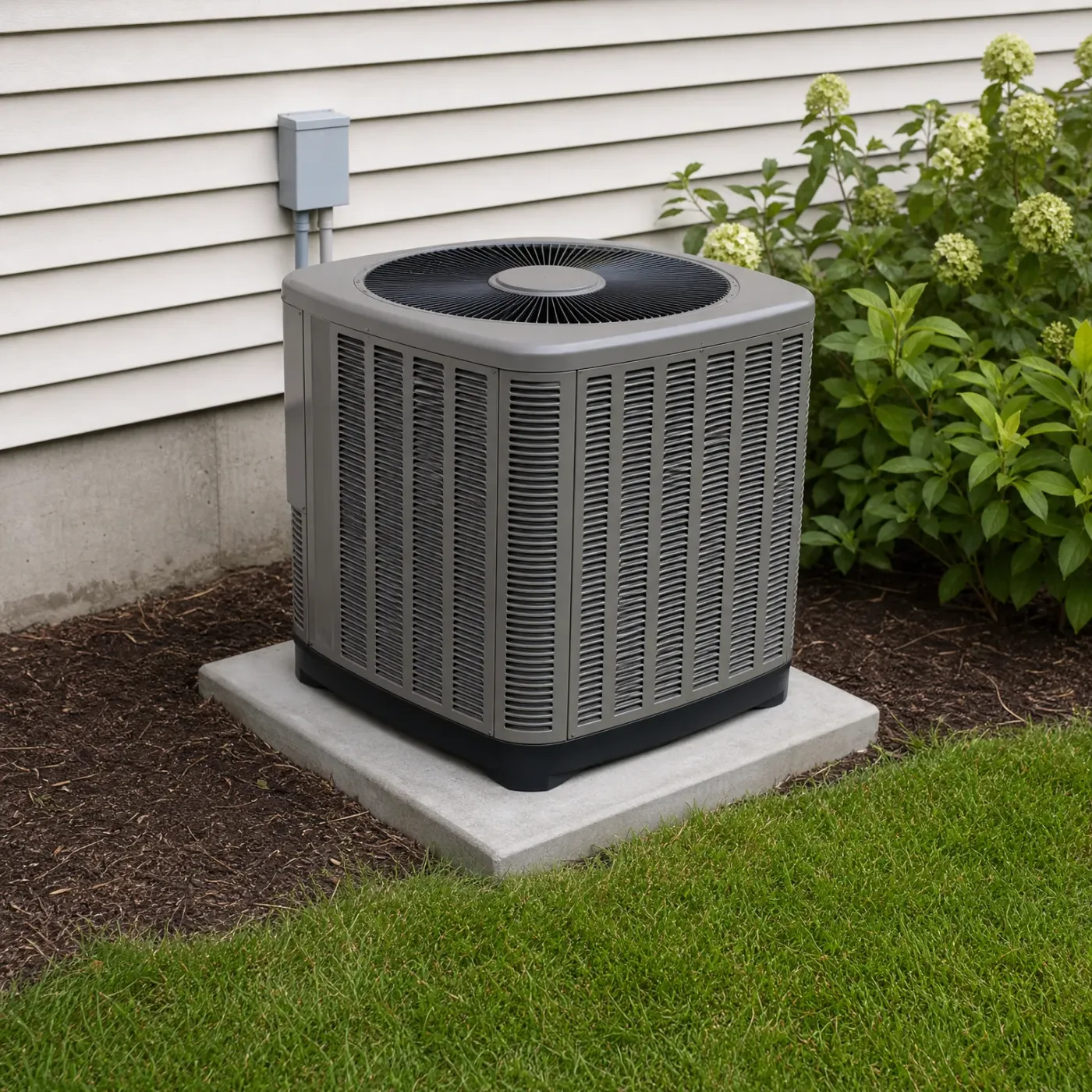
At 13.30 cents a kilowatt-hour, every extra hour your compressor runs shows up on the bill fast. A unit that's clean and properly charged pulls the same heat out of your house in less time, so you pay for fewer of those hours all summer.
EIA-861 2025 statewide residential average
Lower cooling costs, fewer run hours
- A clean coil and the right refrigerant charge let your AC pull heat out of the house faster, so the compressor runs fewer hours.
- Fewer run hours each day is what actually brings the number on your electric bill down, not a lower thermostat setting.
- The coil, the charge, and the airflow all have to be right together, since one of the three lagging still makes the compressor work harder.
- At 13.30 cents a kilowatt-hour, the extra hours a strained compressor runs add up fast over a Missouri summer.
- A tune-up before the heat sets in catches a dirty coil or a low charge before it costs you a full season of higher bills.
- Nothing about the house changed, the unit did, and that's where the bill is coming from.
The answer to the AC bill climbing isn't a colder thermostat setting or shorter showers to save power elsewhere. It's the compressor running longer than it should to do the same job it did last summer. A coil caked with dust, a refrigerant charge that's drifted low, airflow that's choked by a dirty filter or blocked vents, any one of those makes the unit work harder to pull the same heat out of your house. Fix one and leave the other two alone, and the compressor still runs long. All three have to be right at the same time.
That's what a tune-up is for. A technician checks the charge against what the system is supposed to hold, cleans the coil so it can shed heat the way it was built to, and confirms air is moving through the ducts and filter the way it should. None of that is guesswork, and none of it requires replacing anything. It's maintenance on what's already installed.
Missouri summers run long, and power here costs 13.30 cents a kilowatt-hour. Every hour the compressor runs past what it needs to is an hour you're paying for. A unit that's clean and properly charged gets the house cold in less time, day after day, and that's what shows up as a lower number at the end of the month. The house didn't change. The unit did, and that's the part worth having looked at before the heat sets in for good.


Air Conditioner Maintenance
Let someone else find the pro
Skip calling around to set up an air conditioner tune-up.