How long an AC unit lasts in Cape Girardeau, MO

Skip the round of in-home estimates for a new air conditioner.

Start one form

A central air conditioner in Cape Girardeau usually lasts 12 to 15 years. Summers here run long and stay muggy from May into September, and that unit works harder and longer than it would somewhere milder. All that extra runtime wears on the compressor and the coils, so a system here can wear out closer to 12 than 15. How long yours actually goes depends on the size of the unit against your home, how well it was installed, and whether it got serviced on schedule. Past that age range, repairs get more frequent and parts get harder to find, since manufacturers stop making them for older models. If your unit is already in that window and you're noticing it run longer to keep up on the hot days, that is usually the system telling you it's near the end rather than a one-time problem.

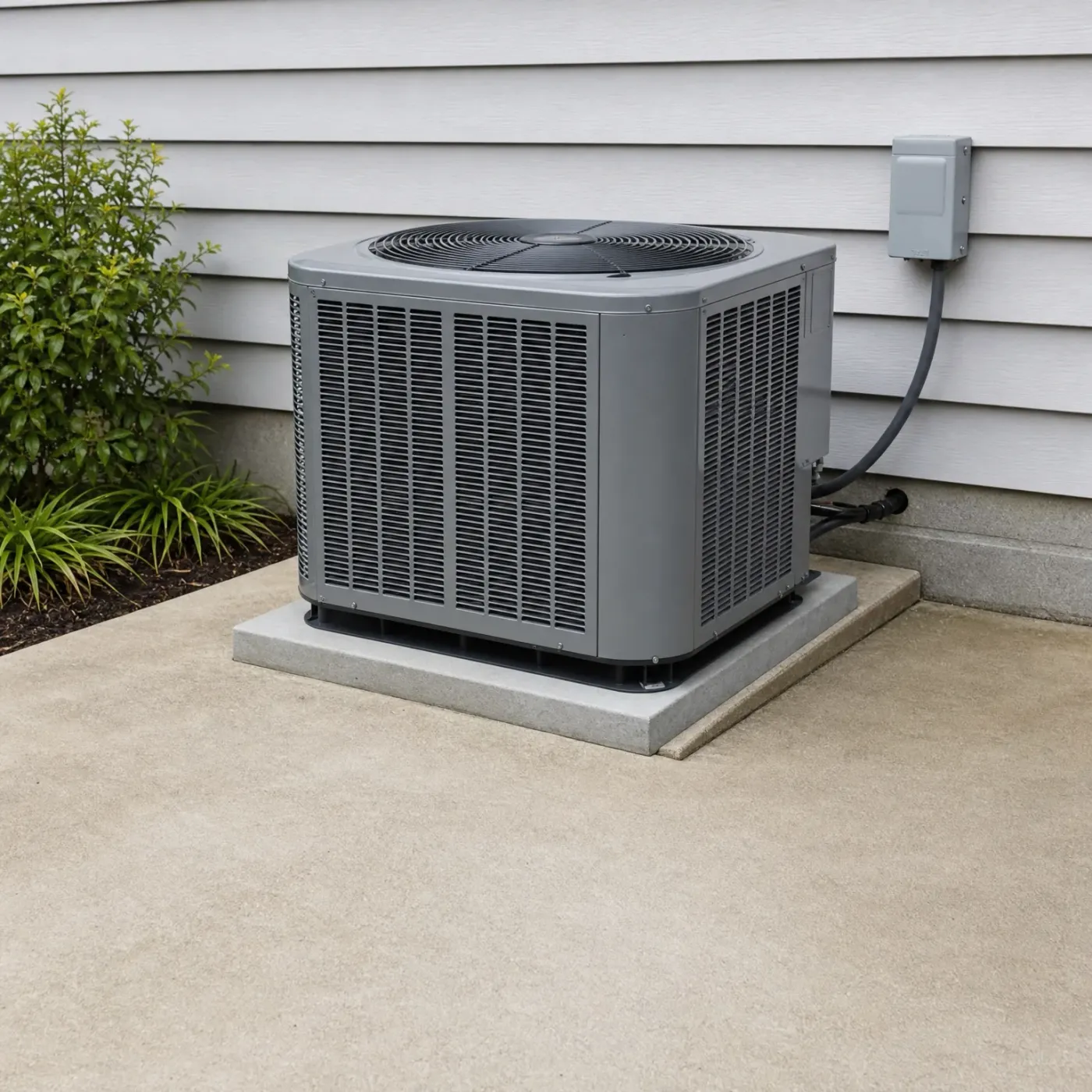
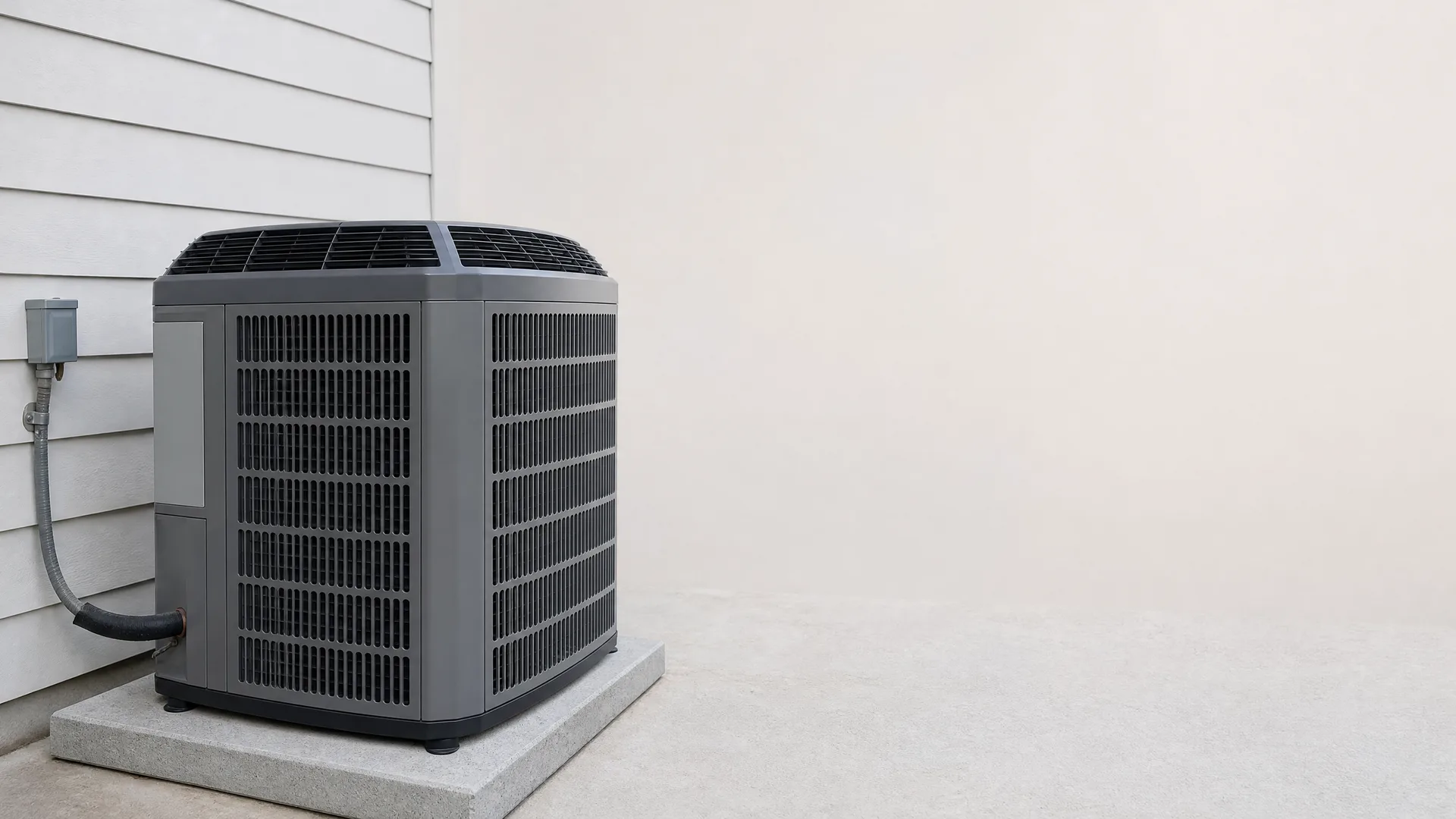
A gray outdoor air conditioning condenser unit on a concrete pad beside a house with horizontal lap siding, with a wall-mounted disconnect box and conduit, and shrubs to the left.

Running the way it should

A unit still under 12 to 15 years that cools evenly and cycles on and off without struggling is doing its job. Keep the area around it clear and have it checked each spring, and it will keep running through the long Cape Girardeau summer.
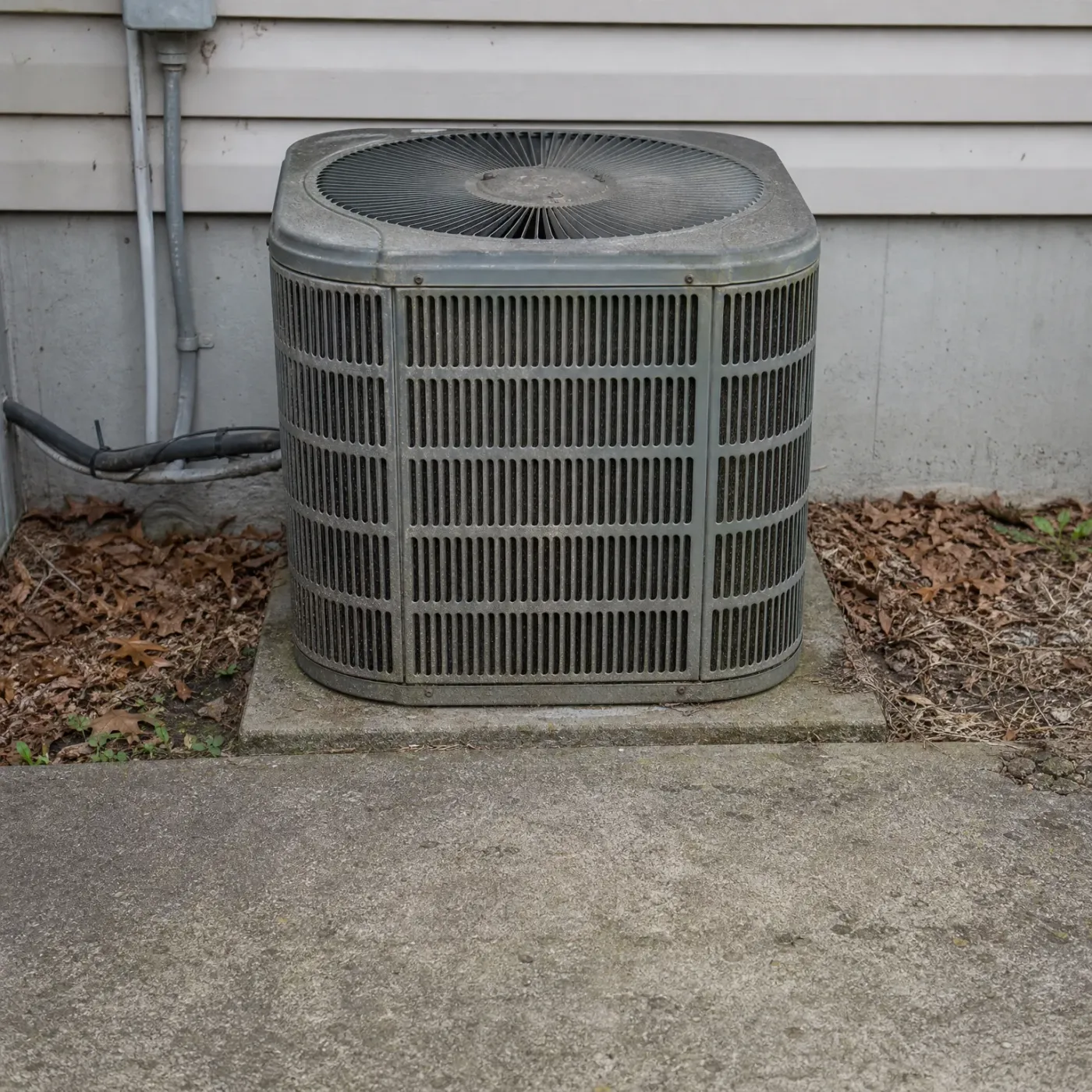
An outdoor air conditioning condenser unit on a concrete pad beside a house with horizontal siding and a concrete foundation, with dry brown leaves on the ground to either side.

Signs it's near the end

A dirty, aged condenser buried in leaves, with the fan straining or the pad cracked underneath, is telling you something. Once a unit is working that hard just to keep up, replacement is usually cheaper than another season of repairs.

Why isn't your house cooling like it used to?

Walk through your house in July and check each room. If the bedrooms stay warm while the living room is fine, or the air coming out of the vents feels weak, the unit is struggling to keep up. You might hear it running longer than it used to, cycling on and off more often, or making a rattle or a hum it didn't make last summer. A musty smell near the vents can mean moisture is sitting somewhere it shouldn't. None of this means it will quit tomorrow, but a unit that's straining through a Cape Girardeau summer is using more power to do less, and if it's already past 12 to 15 years, that strain is more likely to end in a breakdown on the hottest day of the year than a quiet retirement.

A gray outdoor air conditioner condenser unit on a concrete pad beside a house with horizontal siding, with an electrical disconnect box and conduit on the wall behind it.

What all that runtime does to it

The compressor is the part that runs longest each day, and it's the most expensive part to replace. Every extra hour of runtime from May into September is an hour of wear on it. In a place with a shorter summer, that same compressor would cycle less over the year. Here it doesn't get much of a break, and that's a big reason the unit ages faster than the number on the box suggests.

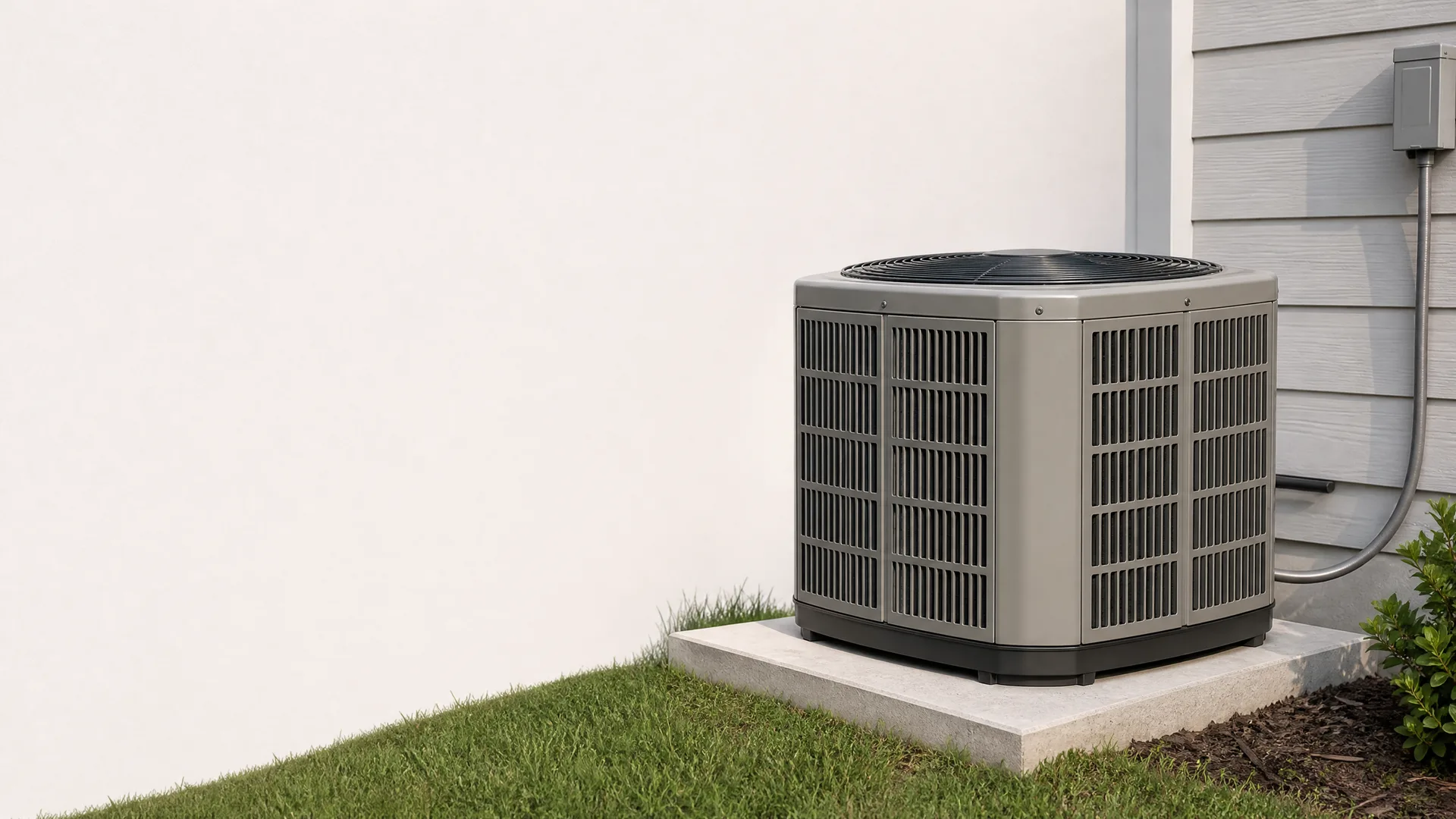
An outdoor air conditioner condenser unit on a concrete pad beside a house with horizontal lap siding, with a gray electrical disconnect box and conduit on the wall, grass in the foreground and a plain light wall at left.

What a spring check actually finds

A technician checking a unit each spring is looking at the refrigerant charge, the condenser coil, and the electrical connections that carry the load every time the compressor kicks on. A low charge makes the compressor work harder to produce the same cooling. A dirty coil does the same thing. Catching either one in April means the unit isn't straining through July and August with a problem that was there all along.

What actually wears out first on an AC unit?

You've heard the compressor is the expensive part, but that doesn't mean it's the first thing to go. Before a unit reaches the point of full failure, certain parts tend to give out first, and knowing which ones can help you tell the difference between a quick fix and a sign the whole system is done.

The capacitor and the fan motor usually go first

The capacitor is what gives the compressor and the outdoor fan motor the jolt they need to start up, and it takes the brunt of the heat out there every summer. Heat and constant cycling wear it down faster than almost anything else in the system. The fan motor that pulls air through the outdoor coil is next, since it runs every time the compressor does. Replacing either one is a routine repair, not a sign the unit is finished. The compressor is built to outlast both of them. When it starts failing instead, that's usually a sign the whole system has reached the end of its 12 to 15 years, not a part swap.

A gray-haired man in a dark long-sleeve shirt sits on a gray sofa in a living room, looking toward a sunlit window with sheer curtains.
A gray-haired man in a dark green sweatshirt sits on a sofa in a living room, looking toward a bright window, with a houseplant, lamp, fireplace and framed art behind him.
A gray-haired bearded man in a dark green collared sweater sits on a sofa in a living room with a window, houseplant, floor lamp and bookshelves, looking off to the side.
A gray-haired man in a dark green sweater sits on a sofa in a sunlit living room, looking off to the side, with a framed landscape painting, dining table and shelving behind him.

No calling every shop in Cape Girardeau County

If your unit is past 12 to 15 years and you're seeing the signs above, weak airflow, rooms that won't cool evenly, a compressor straining to keep up, replacing it now costs you less than waiting for it to quit in August. Finding someone to do that work right is its own task. You'd normally be calling around Cape Girardeau and Jackson, explaining your setup to each one, waiting on quotes, trying to judge who actually knows what they're doing versus who just answers the phone fastest. A request here goes to one local contractor, someone who installs and services units in this county every summer and knows what this heat does to a system over years, not five companies competing for your callback. You tell them what you're seeing once. They already know what Cape Girardeau summers do to a compressor that's aged out. That's the part worth handing off, especially with the season you're heading into.

A unit that's near or past 12 to 15 years can still run, but an aging compressor in a house that cools all summer long is one hot stretch away from a breakdown.

Waiting for it to quit means picking a contractor in a hurry, in the middle of a heat wave, instead of choosing one on your own schedule now.

Cooling runs May through September

Five months of cooling means your unit spends most of the year sitting idle, then gets asked to run hard from May through September without a break. Those are the months that put real hours on the compressor, so a spring check before the heat sets in matters more here than almost anything else you can do for it.

NOAA nClimDiv 1991-2020

Where your unit stands now

  • Most AC units in Cape Girardeau reach 12 to 15 years before the compressor or coil gives out for good.
  • A unit cooling evenly and cycling normally within that range needs nothing more than its spring checkup.
  • Once a unit is past that range, weak airflow or a straining compressor means replacement is the sounder call.
  • Waiting until a unit quits in August leaves you sorting contractors during the hottest stretch of the year.
  • A local contractor who services this equipment all summer knows which parts in these units tend to fail first.
  • Working with one licensed local contractor means one call and one visit, not a round of competing quotes.

A central air conditioner in Cape Girardeau holds up for 12 to 15 years under the kind of summers this county gets, long and muggy from May through September. If yours falls inside that range and cools your house evenly, there's nothing to do but keep up the spring checkup. If it's near the end of that range or past it, and you've noticed rooms that won't cool down or a compressor that runs longer than it used to, that's the unit telling you it's done most of what it has to give.

The decision is simpler than it feels standing in a hot living room. A unit still within its years gets maintained. A unit past its years, showing the signs, gets replaced before it fails on its own schedule instead of yours. Waiting costs you the choice of timing, and in this part of Missouri that usually means sorting out a contractor during the worst heat of the year instead of on a mild afternoon in spring.

The match that follows this page goes to one licensed contractor working in Cape Girardeau, someone who services this kind of equipment through every summer here and has seen which parts give out first in units this age. That's one call, one visit, and someone who already knows the local patterns rather than a handful of companies competing for the job. Whatever shape your unit is in, you'll know where it stands and what the next step is.

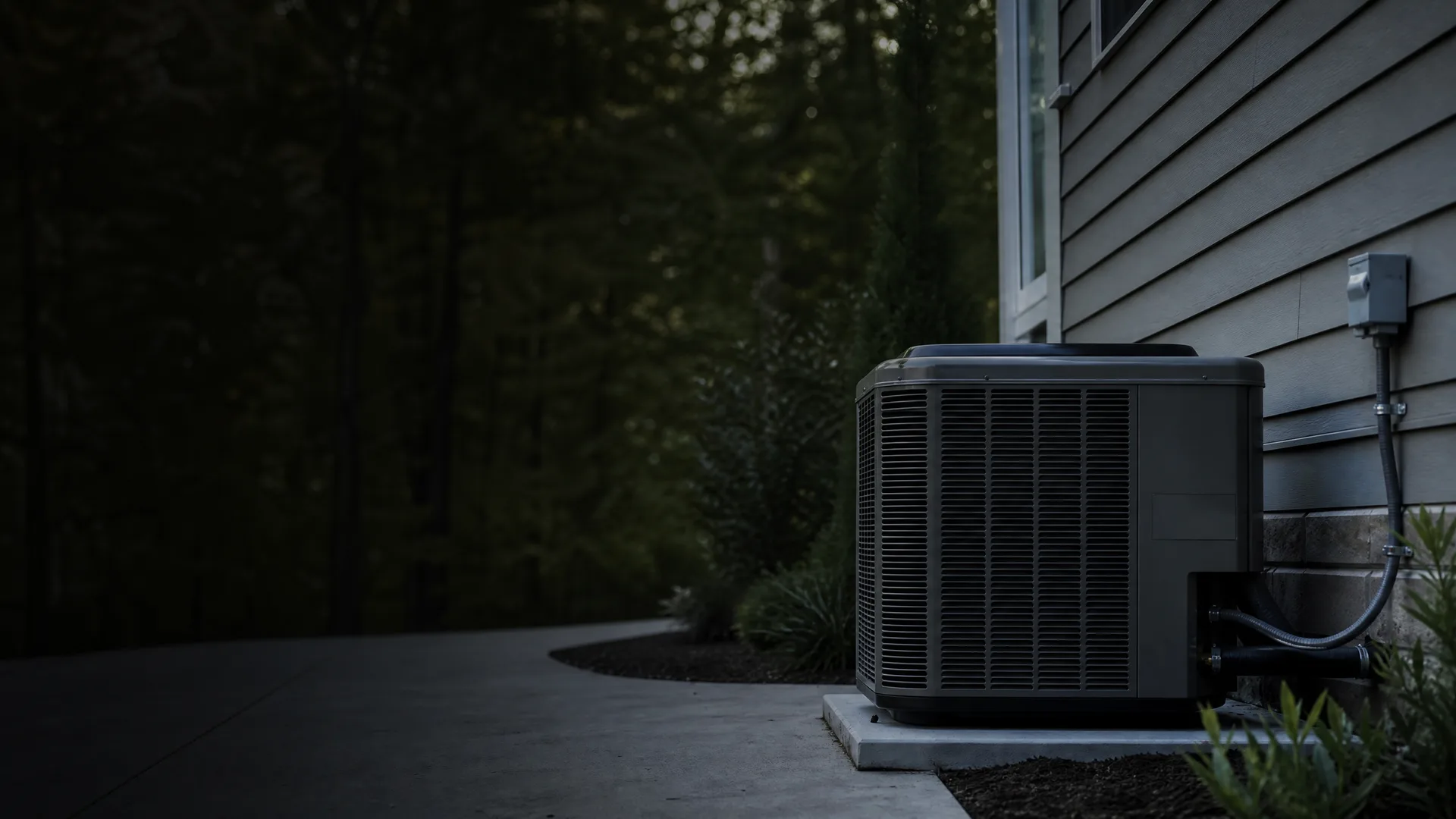
An outdoor air conditioner condenser unit sits on a concrete pad beside a house with horizontal lap siding, with a refrigerant line, electrical disconnect box, a concrete driveway and dark trees in the background.

Skip the search

A licensed pro who works in Cape Girardeau County gets your request.

Step 1 of 3: Equipment