Get AC Missouri
Profile view of a bearded man wearing a black baseball cap and a dark gray T-shirt against a plain light background.

Do you need a dehumidifier with AC in Missouri

Step 1 of 3: Equipment

Most homes in Missouri don't need a separate dehumidifier to go with the air conditioner. Your AC already pulls moisture out of the air as it cools, and in a Missouri summer, with the humidity this state gets, that's usually enough to keep a house comfortable. Where a dehumidifier starts to make sense is if your system is oversized for the space. A unit that's too big cools the air fast and shuts off before it's run long enough to wring out the moisture, so the house feels cold and still sticky. The same thing can happen if your ducts leak or your AC is older and not pulling its weight. If your home feels damp even with the AC running, that points to a sizing or airflow problem worth having a contractor look at, not something a dehumidifier should cover up.

A woman with shoulder-length brown hair wearing a beige knit cardigan sits in a gray upholstered armchair near a window, looking off to the side with a slight smile, with bookshelves blurred in the background.
A woman with her hair in a bun holds a sleeping young child against her chest, both wrapped in a textured beige knit blanket on a sofa in a dimly lit room with a lamp, framed picture, and bookshelf behind them.

Why your AC handles most of it

An air conditioner cools air by running it over a cold coil, and water condenses out of that air the same way it beads up on a cold glass. That water drains away outside. A properly sized system cycles long enough on a humid day to pull a real amount of moisture out along with the heat. That's why a house can feel dry and cool even when it's heavy and wet outside. For most Missouri homes, that process alone keeps indoor humidity in a comfortable range through July and August without any added equipment.

When a separate unit still makes sense

A system that's oversized for the house cools the air fast and shuts off before it runs long enough to pull out much moisture, so the house feels cool but clammy. Basements run into this a lot, since they stay cooler to begin with and the AC barely runs down there at all. If you notice damp air, musty smells, or condensation on windows even with the AC on, that points to a standalone dehumidifier being worth adding, and it's worth having someone qualified look at sizing before assuming the fix is more equipment.

A man with grey hair and stubble in a dark sweater sits on a grey sofa indoors, looking off to the side, with a potted plant and a sunlit window behind him.
A man with gray hair, a beard and glasses, wearing a dark green sweater, sits on a gray sofa in a sunlit living room with a potted plant, table lamp and wooden sideboard behind him.
A middle-aged man with graying hair and a short beard sits on a blue sofa in a living room, looking toward a window, with a bookshelf, lamp and framed picture in the background.
A man with graying curly hair and a dark green sweater sits on a gray sofa in a sunlit living room, looking off to the side, with a framed picture, shelving, an armchair and a window with sheer curtains behind him.

Your AC keeps up on its own

If the house feels dry and comfortable once the AC has run a while, the coil is pulling out enough moisture by itself. No reason to add anything.

Find a licensed pro

The air stays sticky after it runs

If the house still feels damp or the windows fog even when the AC has been running, a whole-home dehumidifier can take over the moisture a properly sized system should be handling.

Find a licensed pro

AC Alone or Add a Dehumidifier

AC alone is enough

  • Your system cycles on and off through the day, and each cycle pulls moisture out along with the heat.
  • A properly sized AC run on a normal summer day keeps the coil wet long enough to handle a muggy Missouri afternoon.
  • If the thermostat holds steady and the house feels dry when you walk in from outside, the coil is doing its job.
  • A system that's sized right for the house won't short cycle, so it gets the runtime it needs to dehumidify as it cools.
  • No extra equipment to install, wire, or drain if the AC is already keeping the house comfortable on its own.

A dehumidifier adds help

  • If the air still feels sticky after the AC has run for a while, the coil isn't removing enough moisture on its own.
  • An oversized AC can cool the house fast and shut off before it's pulled out much humidity, leaving the air damp.
  • Windows fogging up or a musty smell in the basement points to moisture the AC isn't reaching.
  • A whole-home dehumidifier ties into the ductwork and runs independent of the thermostat, so it keeps working even when the AC doesn't need to.
  • Getting the unit sized and tied into the system correctly takes someone who installs this equipment regularly and knows how it needs to connect to your ductwork.
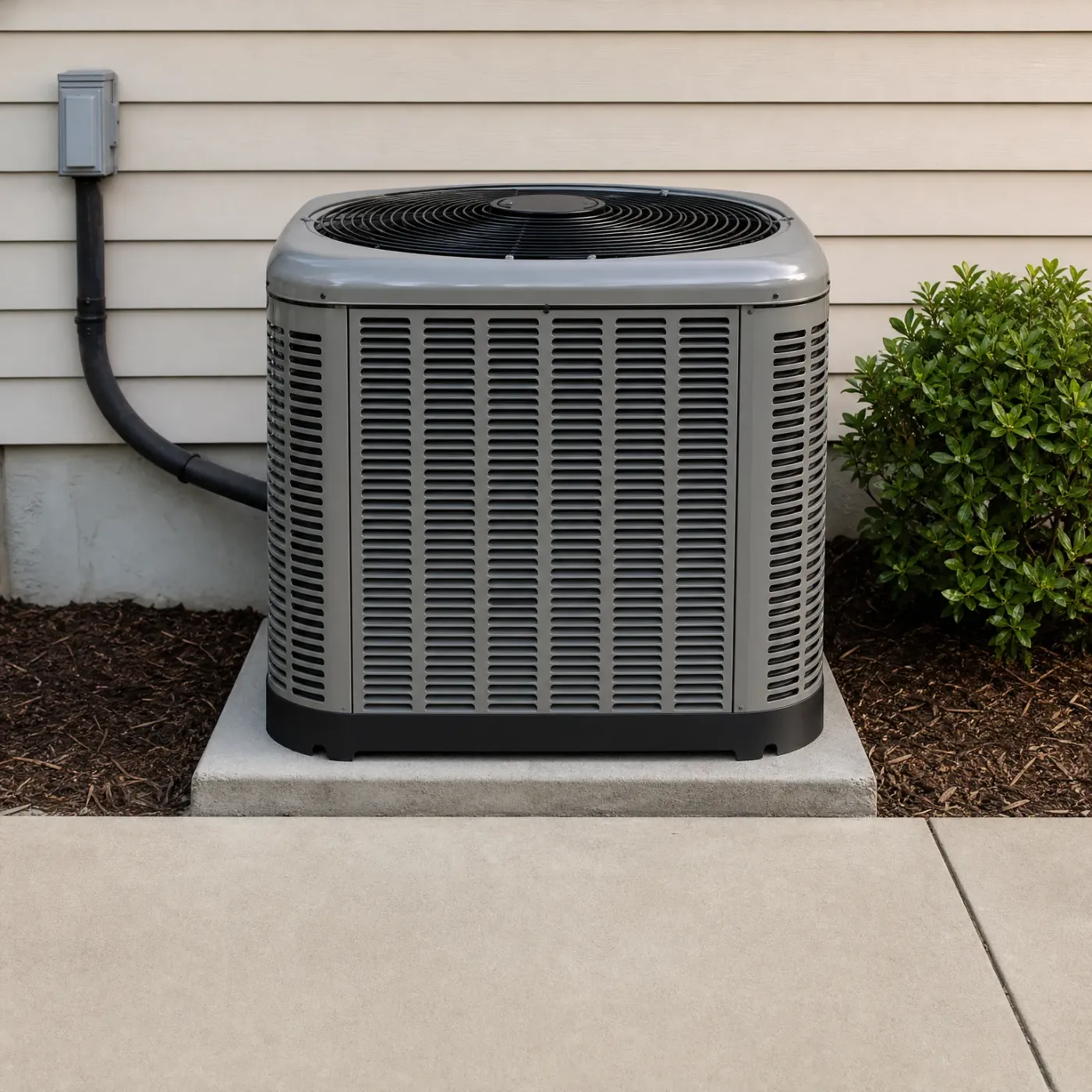
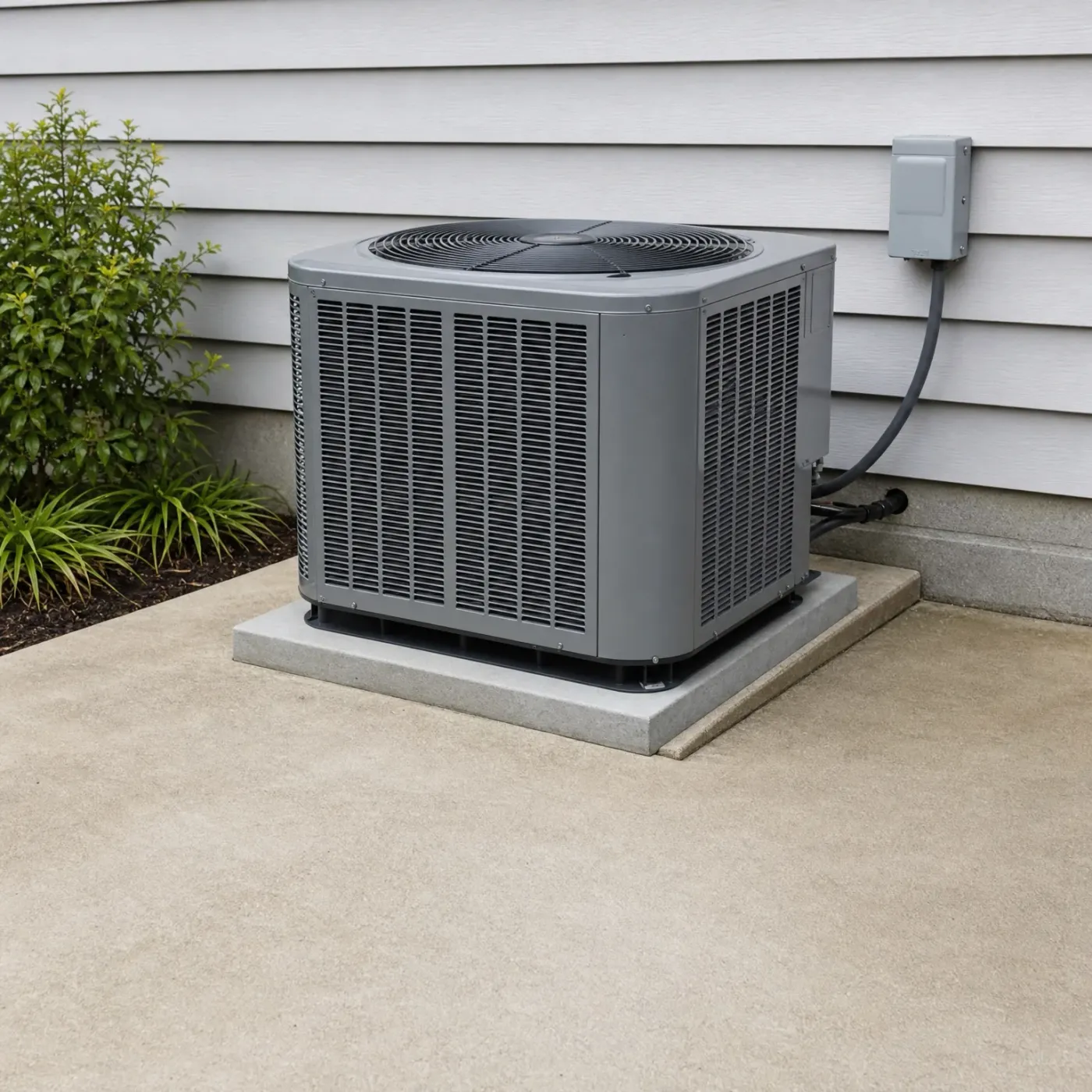
A gray outdoor air conditioning condenser unit on a concrete pad beside a house with horizontal lap siding, with a conduit and electrical disconnect box on the wall and a green shrub in mulch to the right.

Clean coil, clear drain, no trouble

This unit sits clean on its pad, the line set intact and nothing blocking the grille. Air moves through a coil like this the way it should, and the moisture comes out with it. A system kept clear like this doesn't need help from a separate dehumidifier.

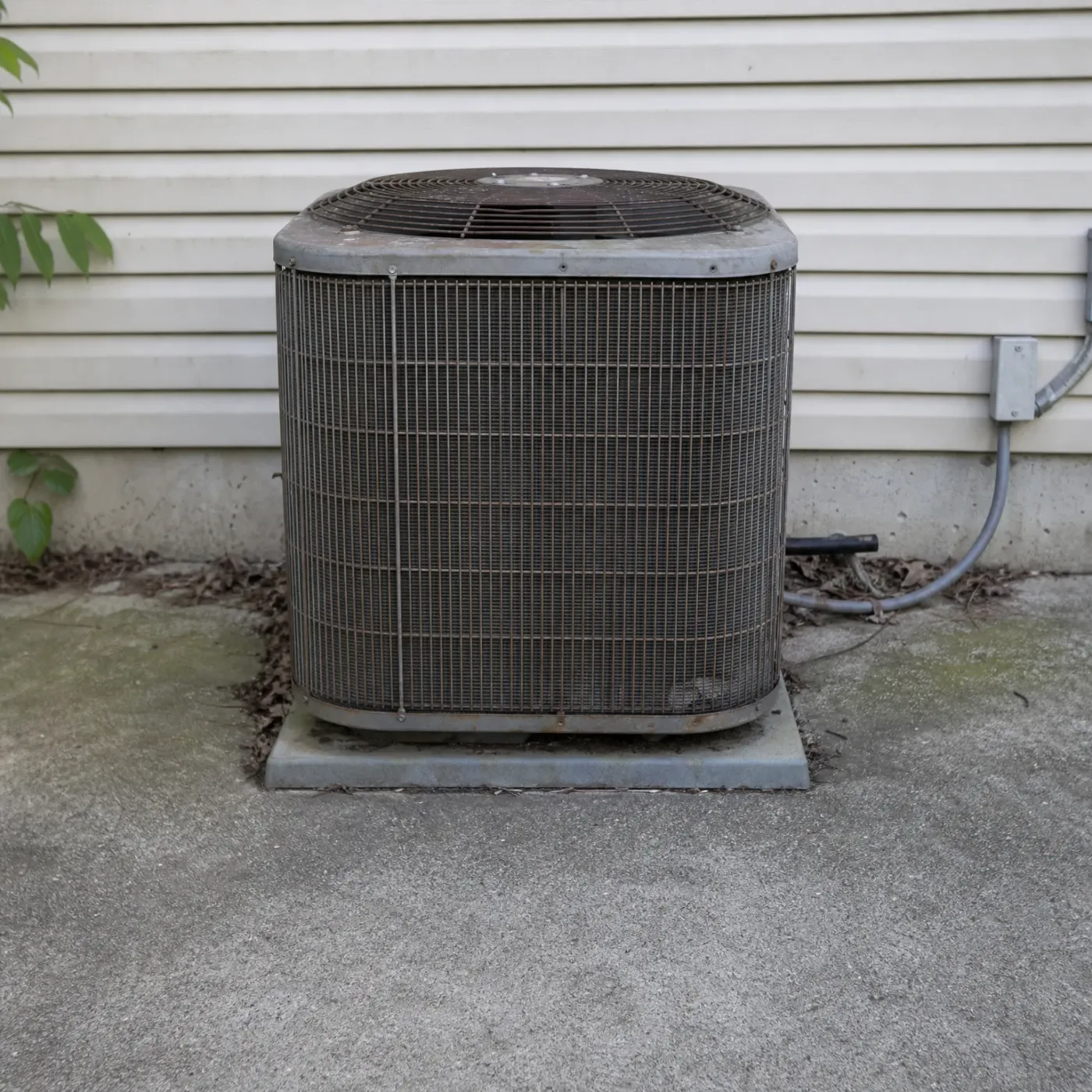
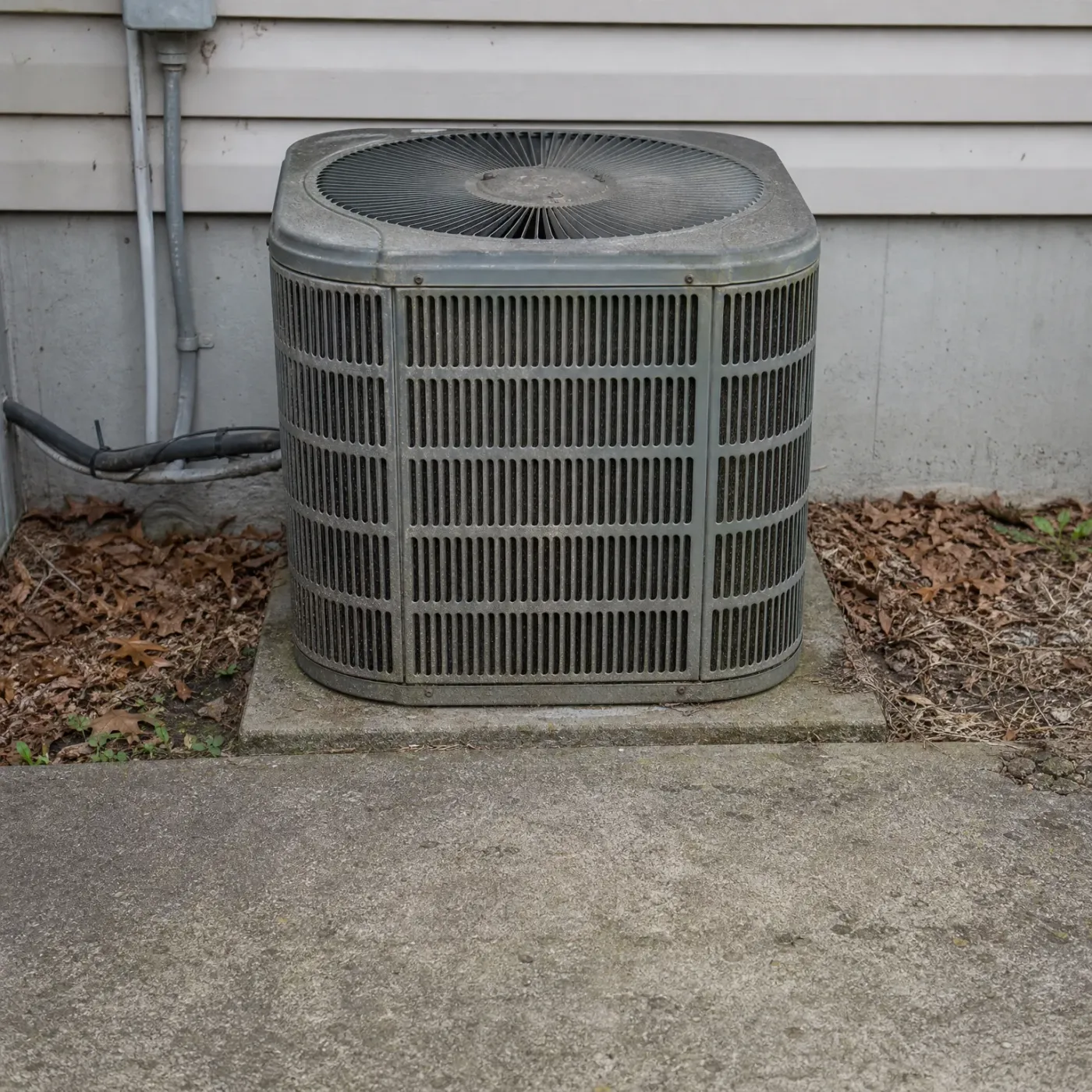
A weathered outdoor air conditioner condenser unit on a concrete pad beside a house with horizontal vinyl siding, with a conduit and disconnect box on the wall to the right.

A dirty coil can't pull moisture like it used to

Leaves and grime built up around the base like this choke off airflow before it reaches the coil. A coil that can't breathe can't condense much water either, and the house starts feeling damp even with the AC running. That's a cleaning and service issue, not a reason to add a dehumidifier.

Power costs 13.30 cents per kilowatt-hour statewide

At 13.30 cents a kilowatt-hour, running your AC longer to wring extra moisture out of the air costs you less here than it would almost anywhere else. If a contractor tells you to size the system to run a bit longer instead of bolting on a dehumidifier, that's the cheaper fix in Missouri, not a corner cut.

EIA-861 2025 statewide residential average

When an oversized AC falls short

An AC that's too big for the house cools the air fast and shuts off before it's run long enough to pull much water out of that coil. You get a house that hits 72 degrees but still feels clammy, and the thermostat shows nothing wrong because it's only reading temperature. This is where people end up buying a portable dehumidifier to fight a problem the AC itself could handle if it ran longer. A unit sized right for the square footage, installed by someone who did the load calculation instead of guessing, usually solves it without adding a second machine to the house.

What a damp house costs you

Moisture that hangs around shows up on wood floors, on windowsills, in closets that stay musty no matter how often you air them out. It's not usually a health problem right away, but it's uncomfortable, and it's the kind of thing that gets worse quietly over a few summers rather than announcing itself. If your AC is working as it should, you won't see any of this. If you do see it, the fix is almost always the system itself, not an add-on, and that's a job for someone who installs these for a living rather than a box from the hardware store.

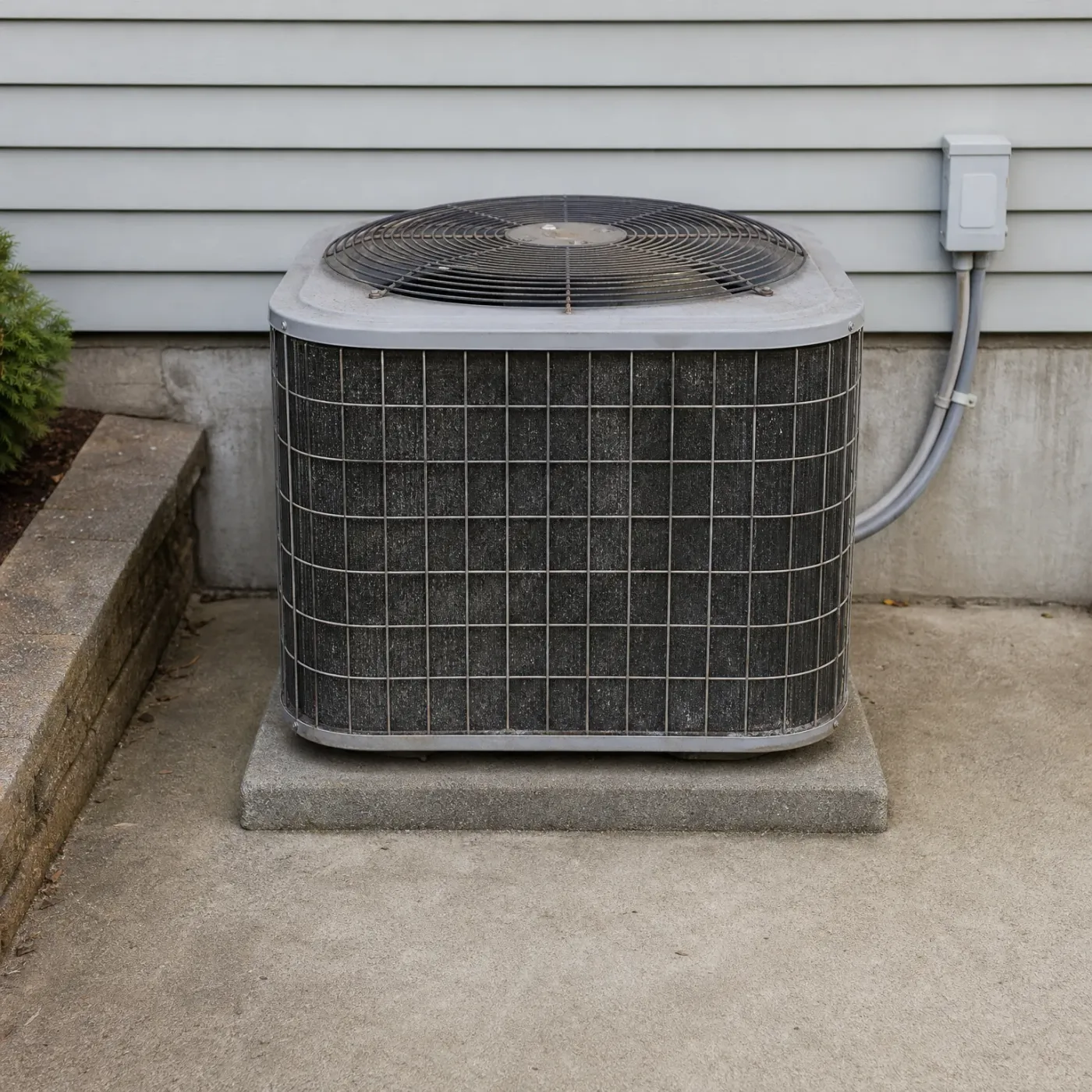
An outdoor air conditioner condenser unit on a concrete pad beside a house with horizontal lap siding, with a conduit running to a gray electrical disconnect box on the wall.
Before you get your air conditioner installation
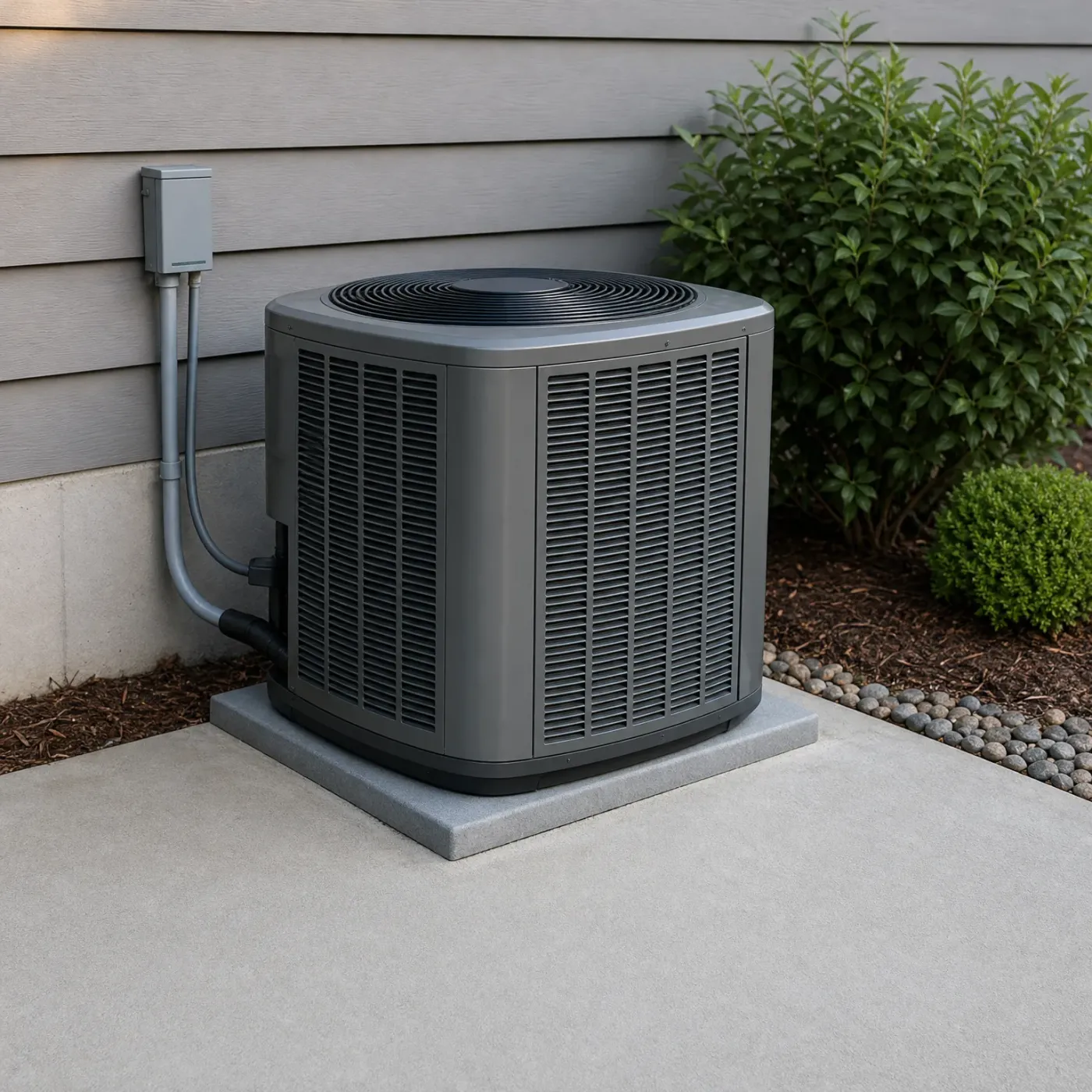
A gray outdoor air conditioner condenser unit on a concrete pad beside a house with horizontal lap siding, with a wall-mounted disconnect box and conduit at left and a green shrub and mulch bed at right.
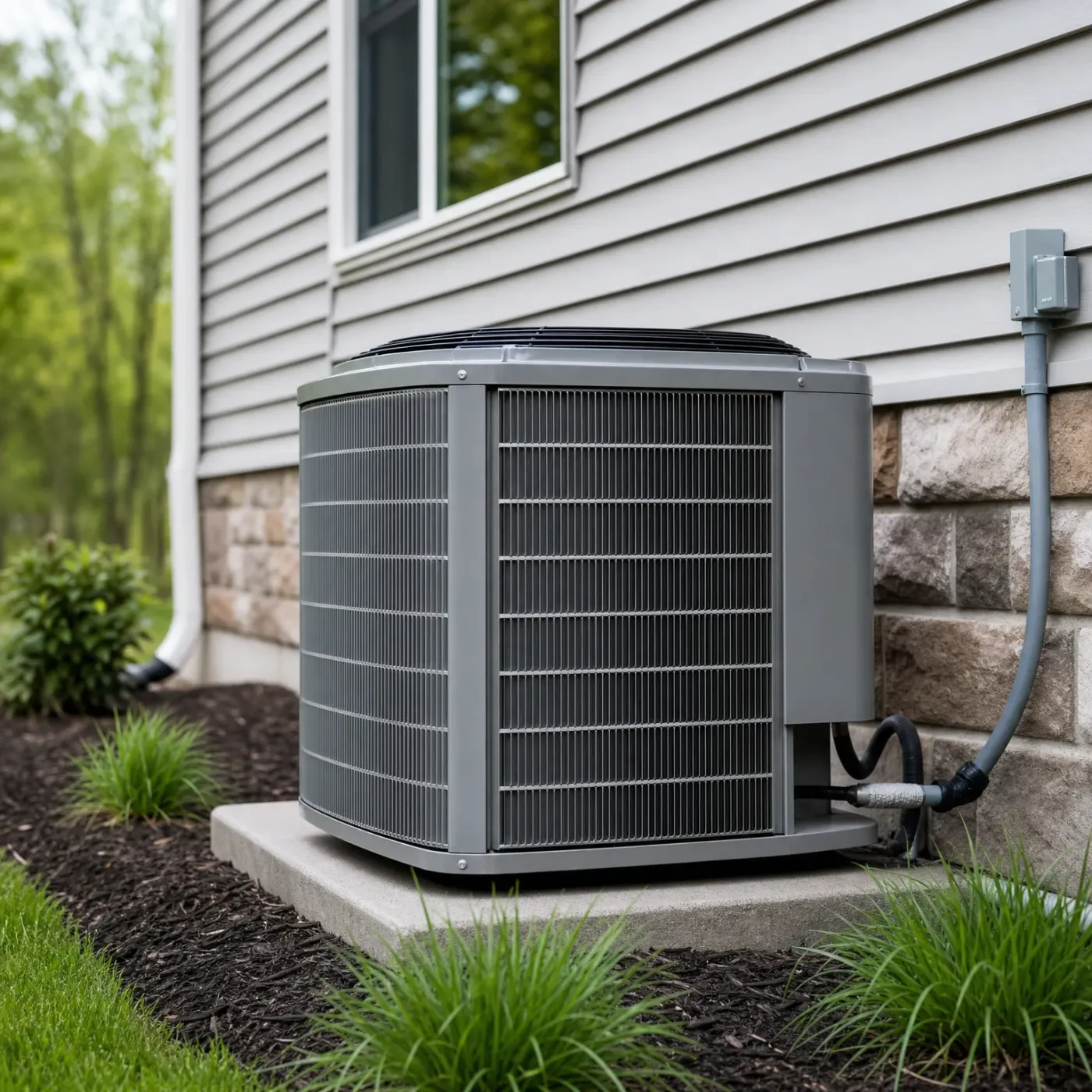
After you get your air conditioner installation
A gray outdoor air conditioner condenser unit on a concrete pad beside a house with horizontal siding and a stone veneer foundation, surrounded by mulch, ornamental grasses, and shrubs, with a conduit and disconnect box on the wall.

Let someone else find the pro

Your request goes to one pro, not a list of companies.

Send it once and finding someone is no longer on you.

Find a local pro

No fee to send it, and nothing to sign.

How does the AC actually pull moisture out of the air?

You know your AC cools the house, but the question is what actually happens to the humidity. If you've heard that a separate dehumidifier helps and want to know whether your system is already doing that job, it helps to understand the mechanics behind it before deciding whether to add anything.

The evaporator coil cools below the air's dew point, so water condenses out of it

Warm air from the house passes over the evaporator coil, the cold coil inside the indoor unit. Refrigerant inside that coil is cold enough to drop the air below its dew point, the temperature where water vapor turns back into liquid. That water collects on the coil's fins, runs down into a drain pan, and leaves through a condensate line, usually out a pipe near the outdoor unit or into a floor drain. This happens on every cycle the system runs, not as a separate step. The longer a cycle runs, the more time that coil has to pull water out, which is why a system sized to run full cycles handles a muggy Missouri day better than one that's always shutting off early.

A two-story gray horizontal-siding house with multiple gables, a covered front porch with white columns and railing, and a dark front door, fronted by a patchy green and brown lawn under a clear blue sky.

A dew point of 66°F is the average across June, July and August in Missouri, going by NOAA climate data. That's the kind of air where a cold glass sweats fast and a t-shirt doesn't dry on the line. For your AC, it means the coil is working against real moisture most summer afternoons, not just heat. A properly sized system still handles it, cycling long enough to wring that water out before it shuts off. What you'd notice is simple: the house feels dry when the system's keeping up, and damp or clammy on the days it isn't.

NASA POWER T2MDEW county cells weighted by homes

A gray outdoor air conditioning condenser unit on a concrete pad beside a house with horizontal lap siding, with a wall-mounted disconnect box and conduit, and shrubs to the left.
A clean coil and a clear line set like this pull moisture out of the air every time the system cycles.
An outdoor air conditioning condenser unit on a concrete pad beside a house with horizontal siding and a concrete foundation, with dry brown leaves on the ground to either side.
Leaves packed around a dirty, aging unit like this choke airflow, and a weak coil stops wringing out much water at all.

Where this leaves you

  • Most Missouri homes get enough moisture control from a properly sized AC alone, with no separate dehumidifier needed.
  • A system that short-cycles or an oversized unit is the usual reason a house still feels damp after the AC runs.
  • Cheap power in Missouri means running the AC a bit longer to dry the air out costs less than it would in most other states.
  • A sizing or airflow problem is a job for someone who installs and services AC systems in Missouri homes every summer.
  • A local, licensed contractor who works on this equipment all season knows what tends to go wrong with it here.
  • One contractor matched to your situation means one set of eyes on the actual problem, not a pile of calls to sort through.

For most houses in Missouri, the air conditioner you already have is doing the job. It cools the air and pulls the water out of it at the same time, and on a muggy day that's exactly what keeps a house from feeling damp even after the thermostat hits its number. A separate dehumidifier isn't the fix most homes need.

If yours still feels sticky once it's run a while, the system itself is worth a look. An oversized unit cools fast and shuts off before the coil has pulled much moisture out, so you end up with a house that reads cool but feels clammy. That's a sizing or airflow problem, not a humidity problem, and it gets fixed by correcting the system, not by adding another box to the closet.

That's a job for someone who installs and services AC systems in Missouri through the same summers you're living through, and who's seen what tends to fail or get sized wrong on houses like yours. Get matched with one contractor, local and licensed, and you're not stuck comparing quotes or fielding calls from three different companies trying to win the work. One person looks at your actual system, your actual ductwork, and tells you what it needs. If the AC you have is enough, they'll tell you that too.


Kitchen corner with cream upper cabinets, oak lower cabinets, white marble-look countertop, beige tile backsplash, a ceramic vase of greenery, a wooden cutting board and bowl, and a black-framed window at right.
Interior corner of a room with a white-framed window and wide sill, beige walls with panel molding, a wooden cabinet holding a ceramic vase with a green leafy plant, and blurred shrubs and trees outside.
A wood-framed armchair with beige cushions and a woven lumbar pillow sits in a corner beside a large window overlooking green trees, with a tall ceramic vase holding leafy branches on the left and plaster walls and wood flooring.
Interior corner with a white-framed window above a sill, beige walls with baseboard molding, a greige shaker-style cabinet with brass knobs and a potted plant on top, light wood flooring and a woven jute rug.
A dark-framed six-pane window with white trim and sill set in gray horizontal lap siding, with hydrangea shrubs below and a white column and shingled roof section at left.

One request and it's handed off

One installer gets your project, so there's no bidding war over it.

Get a licensed local pro

Sending the form costs nothing.