When it's running right
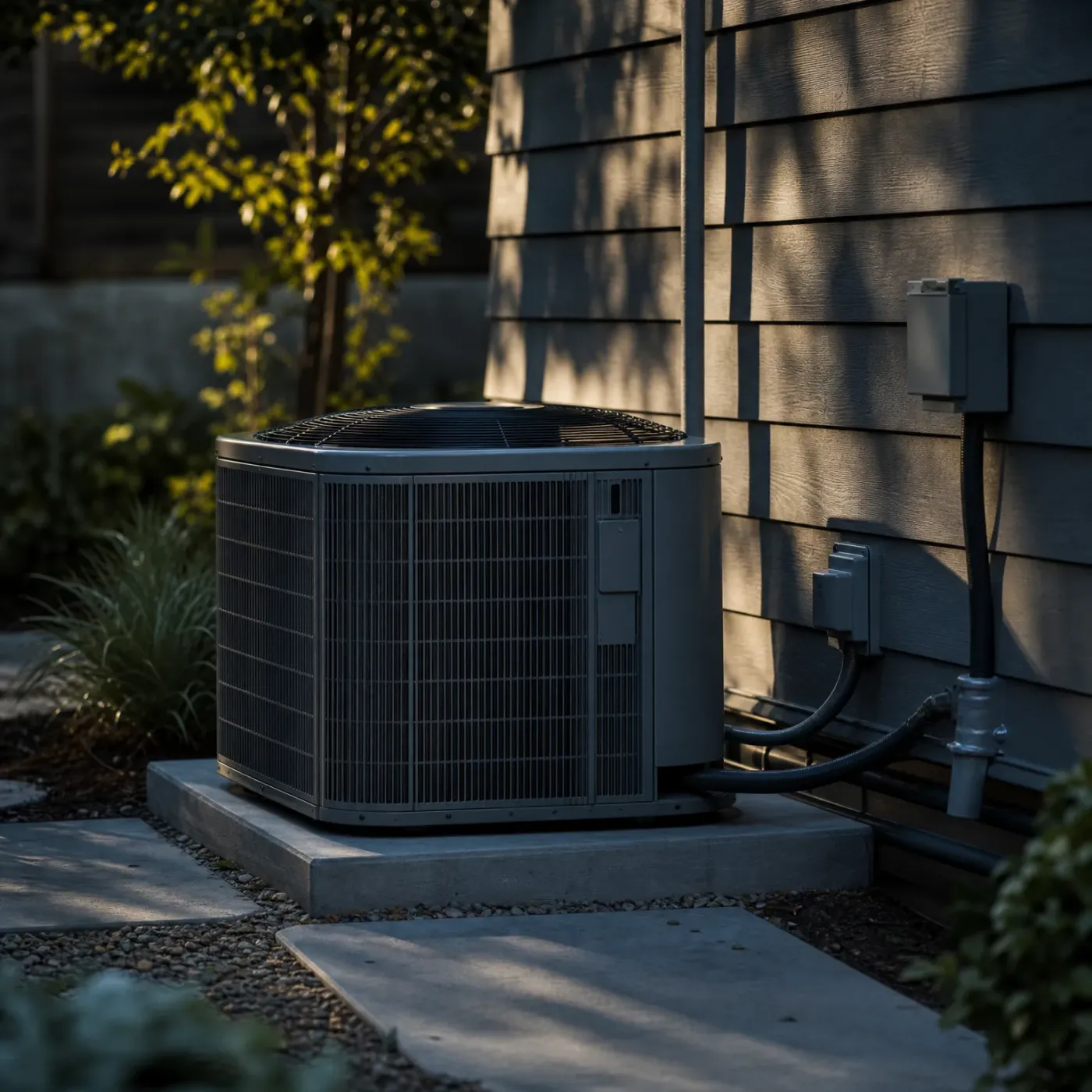
The condenser outside hums along, the fence line quiet except for that steady sound. Power runs up the wall to the disconnect box without a hitch, and the compressor inside kicks on the moment the thermostat calls for it.
Hand off the search today
Your AC stays silent when you hit the thermostat, and in a Joplin summer that's not something to sit with. It could be the thermostat itself, a tripped breaker, a blown fuse, or a part inside the outdoor unit that's failed. This page walks through what to check first and what usually causes it. Send the form and the search for who can fix it is off your plate.
Let a pro reach outWhen your AC won't turn on at all, the most common cause is something electrical rather than something broken inside the unit itself. Check your thermostat first: if the screen is blank, it may just need new batteries. From there, check your breaker panel. Central air units typically have their own dedicated breaker, and a tripped one will cut power to the whole system with no warning. Outdoor units also have a disconnect box nearby, usually a small gray panel, and some have a fuse inside that blows when the compressor draws too much current trying to start. If the breaker holds and the disconnect is fine, the problem is likely inside the unit: a failed capacitor or contactor, both of which are common failures on outdoor units that sit through a Joplin summer running for hours at a stretch. None of these are safe to test with the power on, and a contractor can narrow it down quickly once they're on site.




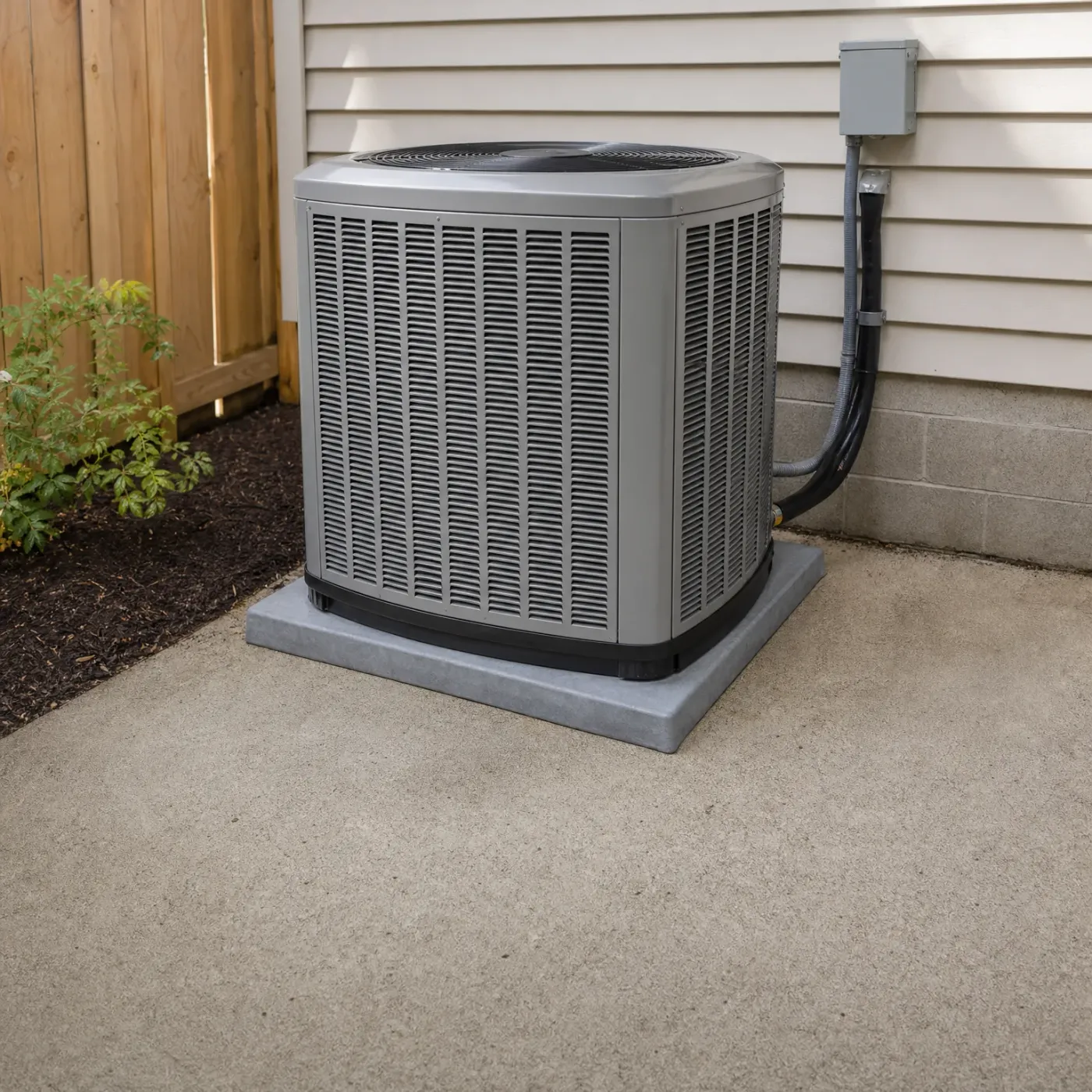
The condenser outside hums along, the fence line quiet except for that steady sound. Power runs up the wall to the disconnect box without a hitch, and the compressor inside kicks on the moment the thermostat calls for it.
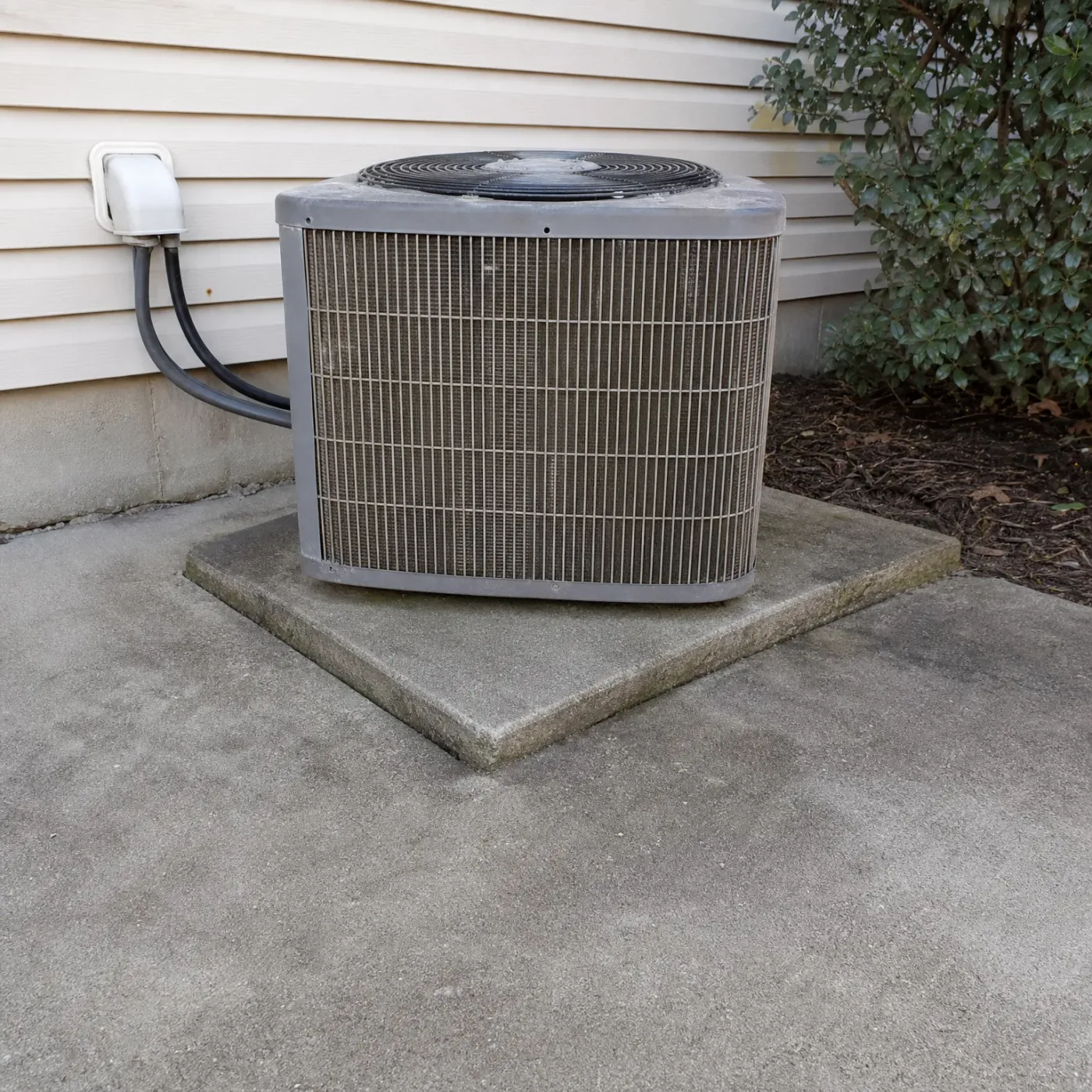
Same unit, same wall, same conduit running down to it, but nothing happens when you check it. No hum, no click, no air moving. Somewhere between the thermostat and that outdoor unit, the signal or the power isn't getting through.
You turn the thermostat down, walk past the outdoor unit a few minutes later, and nothing. No hum, no click, no fan spinning. In a Jasper County summer that silence is unsettling, because the longer the condenser sits dead the longer the house sits warm. You want to know what's actually keeping it from starting before you decide whether this is a quick fix or a call for a licensed technician.
When you set the thermostat to cool, it sends a low-voltage signal through a thin set of wires to a contactor inside the outdoor unit. That contactor is a switch, and when it closes, it lets full power reach the compressor and the fan. If the contactor itself has failed, or the wire carrying that signal has come loose, the unit never gets the message and stays silent even though the thermostat is calling correctly. A failed capacitor can cause the same thing. It stores the charge the compressor needs to start spinning, and without that charge the motor just hums or doesn't try at all. Either part needs a technician to test and replace.
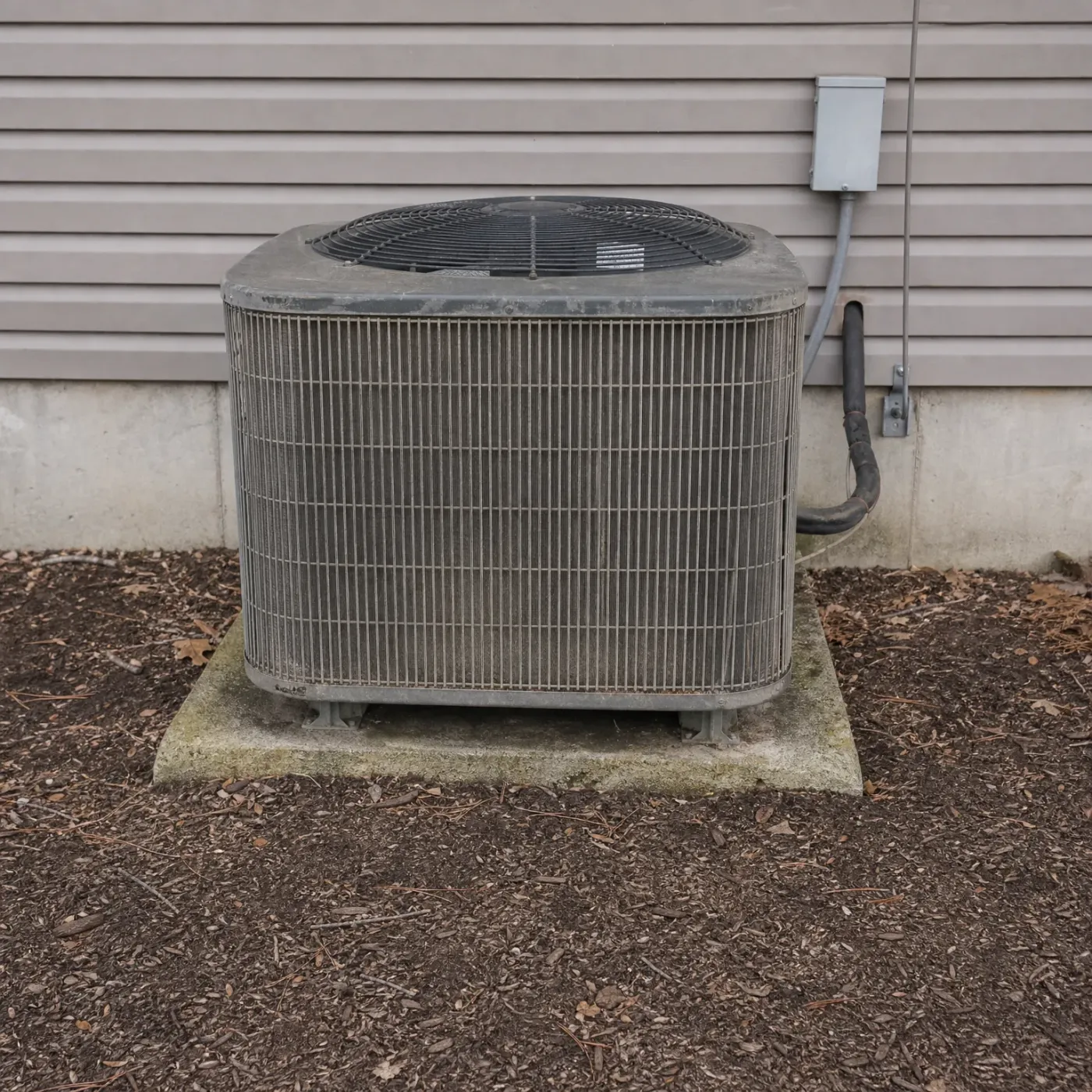
A licensed pro who repairs air conditioners in Jasper County gets your request.
It costs nothing to send, and you don't have to hire anyone.
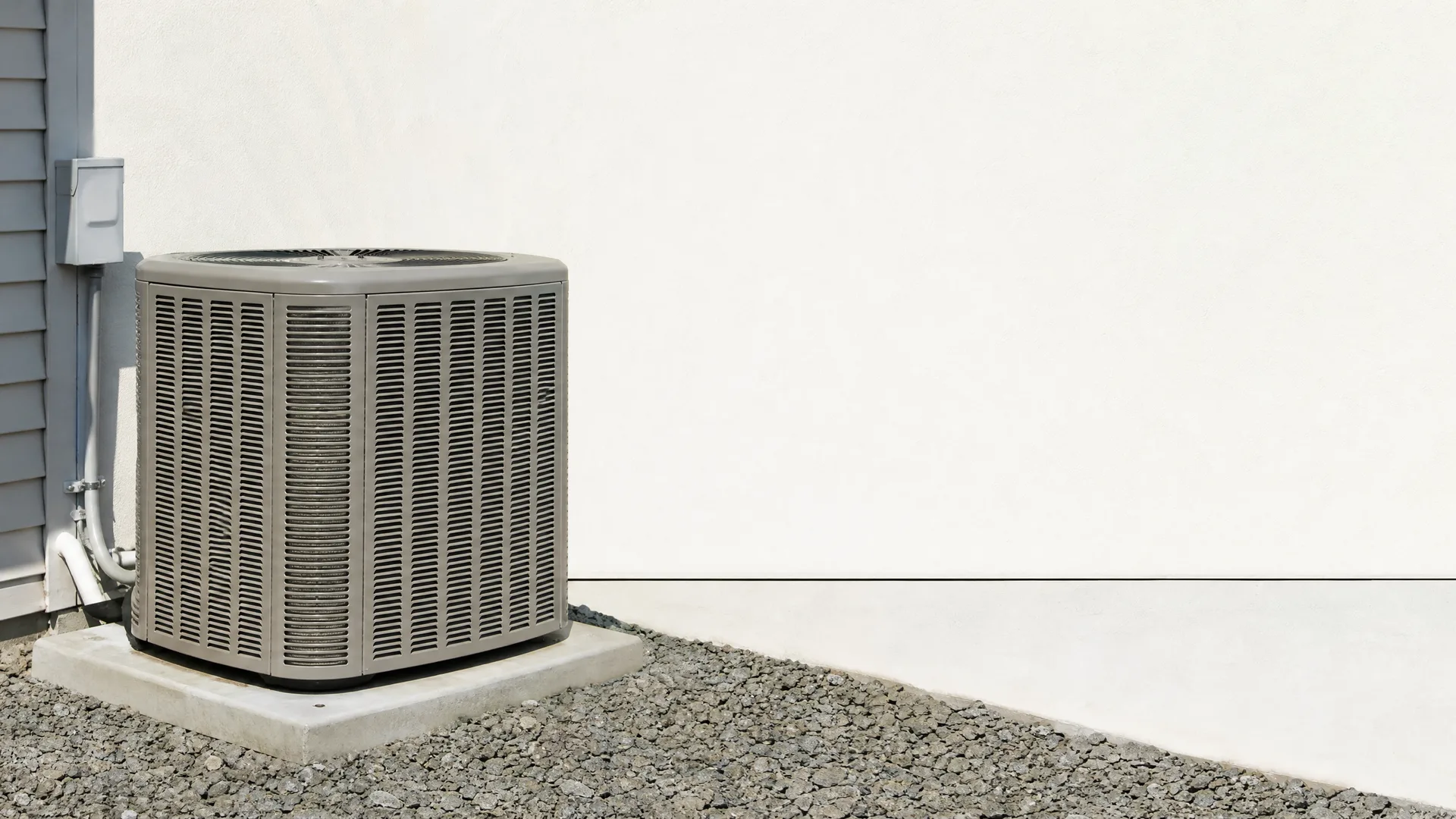
A breaker that trips once might be a fluke. One that trips again as soon as you reset it is telling you the compressor or the fan motor is pulling more current than it should. Resetting it a second or third time doesn't fix anything and can damage the wiring feeding the unit. A contractor can test the motor windings and the capacitor to find which part is drawing too much.
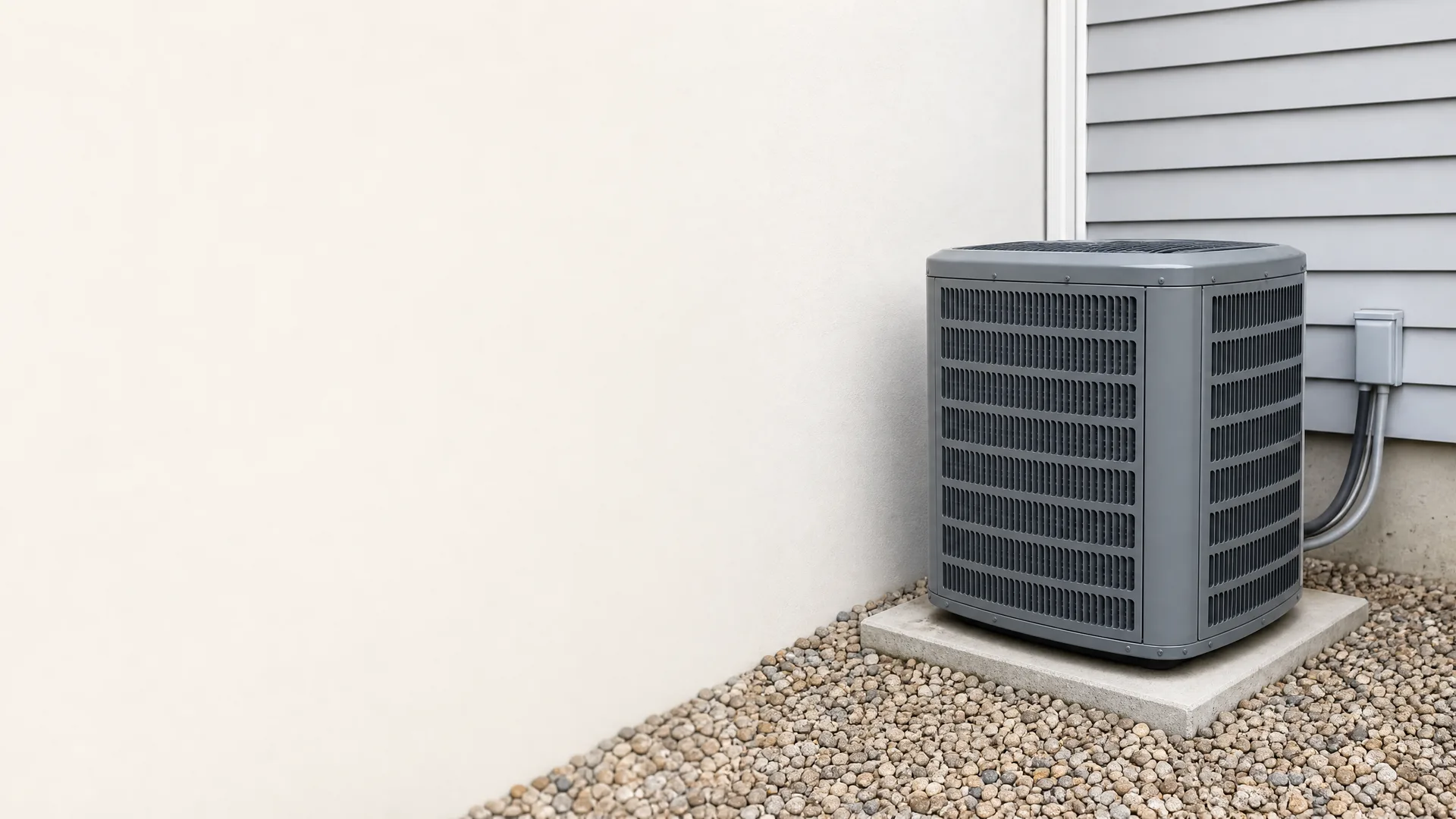
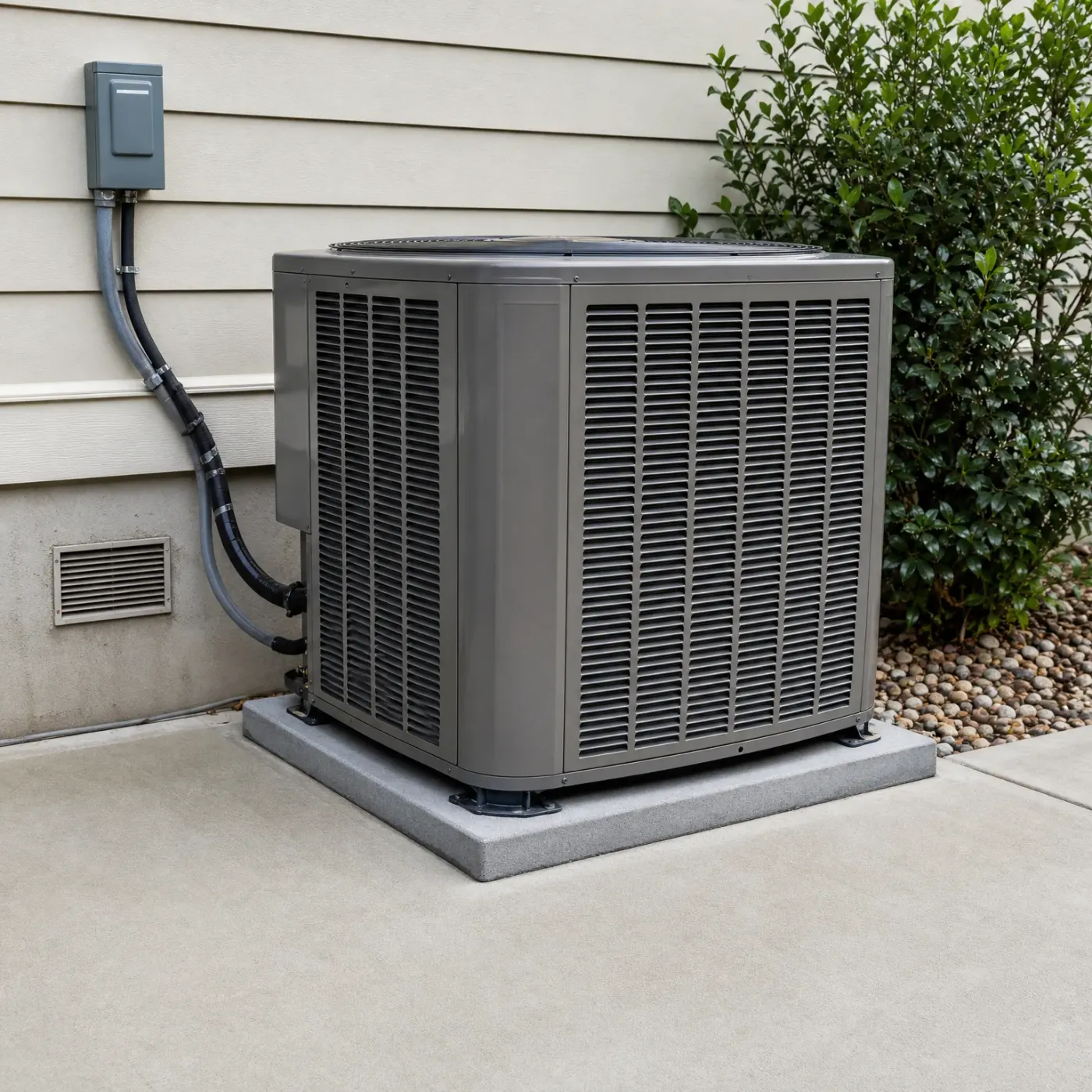
Next to your outdoor unit is a small gray box called the disconnect. It has a pull-out block inside that can work loose or corrode over the years, especially after seasons of Jasper County humidity and rain running down the wall behind it. If that connection is loose, power never reaches the compressor even though the breaker inside your house looks fine. It's a small part, but it's often where the outage actually starts.
Five months of cooling a year means your AC gets asked to start reliably, over and over, from May straight through September. A unit that won't turn on in the middle of that stretch isn't a one-off problem to put off. It's the one piece of equipment carrying your whole summer.
NOAA nClimDiv 1991-2020
A dead AC almost always comes down to the thermostat, the breaker panel, or a part inside the outdoor unit that's given out. Start simple. Check the thermostat screen first, then the breaker. If the breaker trips once and holds, that's a different problem than a breaker that trips again the moment you reset it. The second one means the compressor or the fan motor is drawing more current than it should, and resetting it again won't change that. Even when the thermostat and breaker check out fine, the outdoor unit still needs power to reach it cleanly through the disconnect box before the compressor can turn on at all. A break anywhere along that path leaves the whole system quiet no matter what the thermostat calls for. None of this is a guessing game you need to win on your own. A licensed contractor working in Jasper County sees this exact failure pattern every summer and can trace it to its source instead of swapping parts and hoping. Five months of steady heat means your AC starts and stops more times than almost anything else in the house, and a unit that won't turn on mid-summer is telling you something failed, not that it had an off day. The sooner someone traces the actual fault, the sooner the house cools down again.


Send one request and you're done looking
Your request goes to one pro, not a list of companies.