




AC unit frozen up in Kansas City, MO

Send the request today and stop worrying about who to call.

Hand it over

A frozen AC unit means warm, humid air is passing over a coil that's too cold, and the moisture in that air is freezing onto it instead of draining away as condensate. The usual cause is airflow: a clogged filter, dirty coil, or blocked vents starving the system of the air it needs. It can also mean the refrigerant charge is low, which drops the coil's temperature below what the system is built for. With Kansas City summers running hot and sticky for months, a system fighting restricted airflow has to work through that whole stretch, and once ice builds up, it blocks airflow further and makes the freeze worse. Running the AC with ice on the coil can strain the compressor, so the system needs to be shut off and the ice given time to melt before anyone opens it up to find the actual cause. The fix depends on what's starving the airflow or where the refrigerant is leaking, and that's a job for someone who can check both.

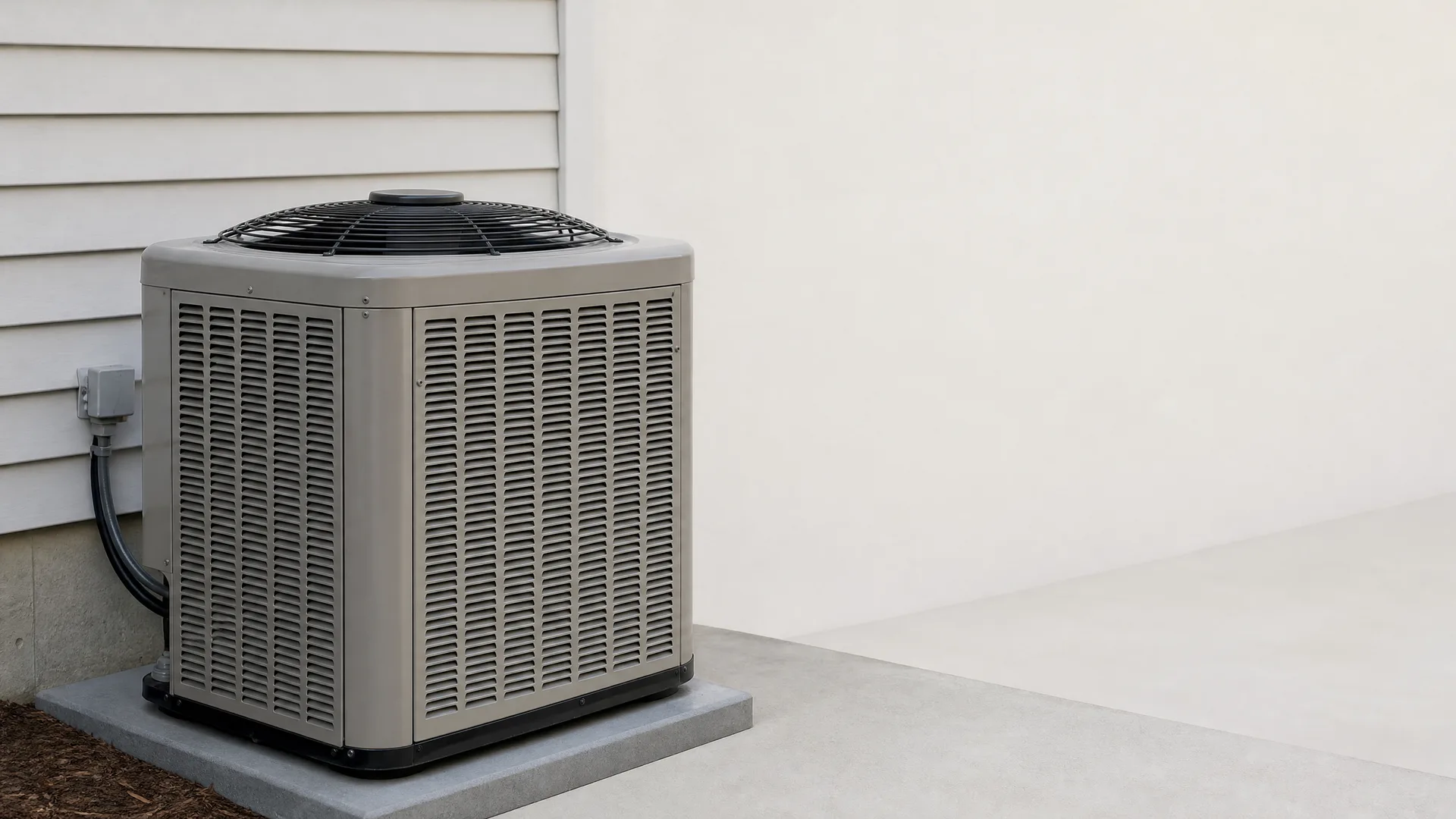
An outdoor air conditioner condenser unit on a concrete pad beside a house with horizontal lap siding, with an electrical disconnect box and conduit on the wall behind it.

Why shutting it off matters

Running the system with ice on the coil pushes warm air across it and the coil can't absorb it fast enough, so the ice keeps building instead of melting. Shutting the AC off and leaving the blower fan running helps the coil thaw. Switching the thermostat to "fan on" instead of "auto" moves air across the coil without adding more cooling demand, and that's what clears the ice fastest.

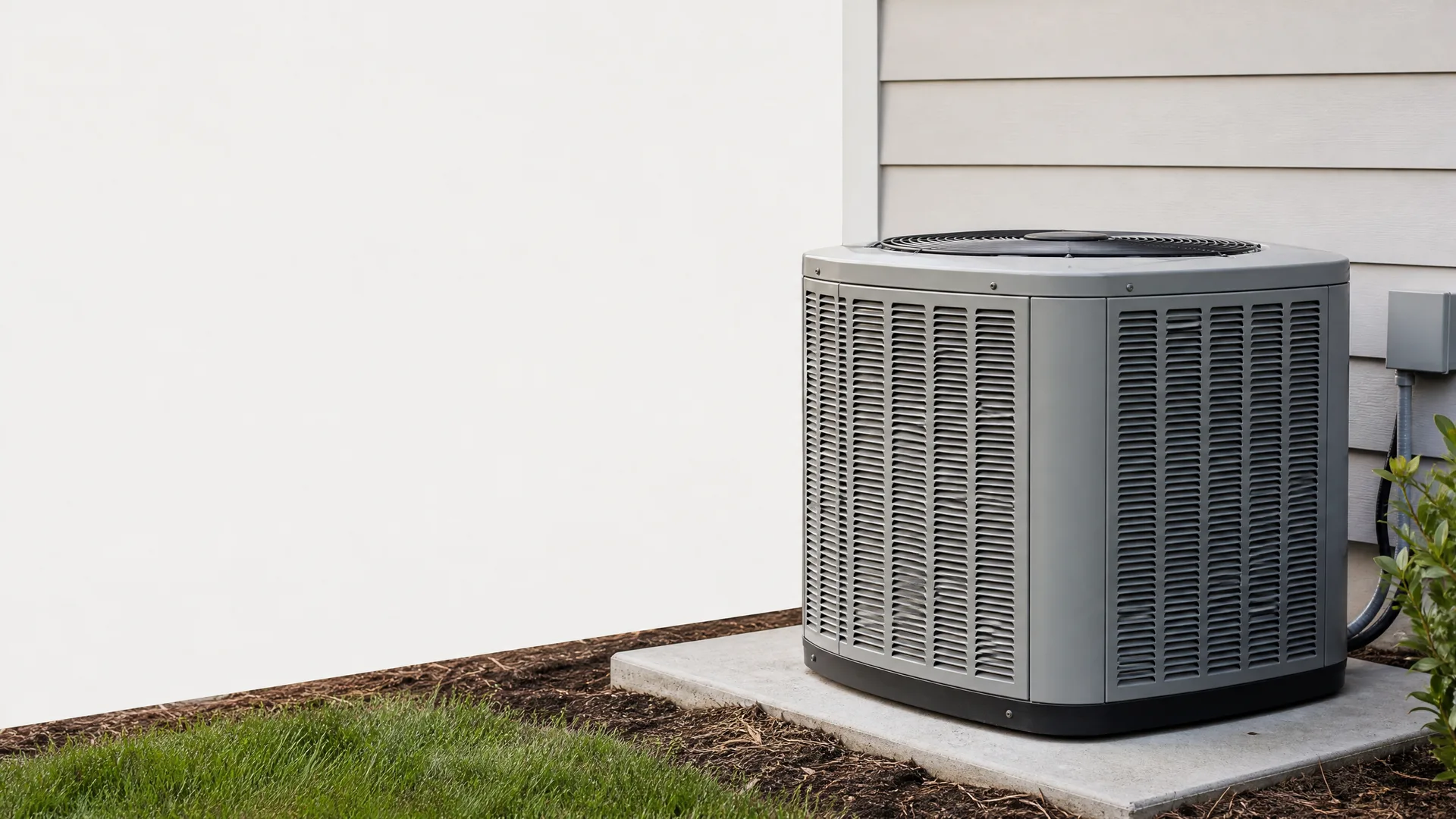
A gray outdoor air conditioner condenser unit sits on a concrete pad beside a house with light horizontal siding and a plain white wall, with mulch, grass, and a small shrub in the foreground.

What a low charge does

A refrigerant leak drops the pressure inside the coil below what the system needs, and low pressure means a colder coil than the unit was built to produce. That coil gets cold enough to freeze the moisture in the air around it even when the thermostat setting is normal. A coil that iced over in July heat usually means a leak somewhere in the line, not a dirty filter.

What does a frozen AC unit look like at your house

Walk out to the outdoor unit and you might see ice on the refrigerant line or coating the cabinet. Inside, a vent that used to blow cold air is blowing warm, or barely blowing at all. The air handler might be making a hissing or gurgling sound as ice melts and drips. Some homeowners notice a musty smell, which usually means water is finding its way somewhere it shouldn't, either pooling in the drain pan or running past it onto the floor or ceiling below. With Kansas City summers running long and muggy, a system stuck frozen for a stretch of hot days means the house just doesn't cool down, and the water from all that melting ice can leave real damage behind if it sits.

A smiling man with dark curly hair in a dark green henley shirt sits on a light sofa in a living room with large windows, a lamp, shelving, a stone fireplace, and a bowl of popcorn in the foreground.
A smiling man in a dark long-sleeved henley shirt sits on a beige sofa in a living room, with a bowl of popcorn and a remote on the table in the foreground and shelves, a lamp, and a doorway behind him.
A smiling man with graying hair and stubble in a blue henley shirt sits on a gray sofa with cushions in a living room, with a bowl of popcorn on a wooden table in the foreground.
A smiling man in a dark green long-sleeve shirt reclines on a sofa in a dimly lit living room, with a bowl of popcorn on a side table in the foreground and a bookshelf, lamp, and houseplant behind him.

Let someone else find the pro

Explain the air conditioner problem once instead of to every shop in Jackson County.

There's no charge for the request.

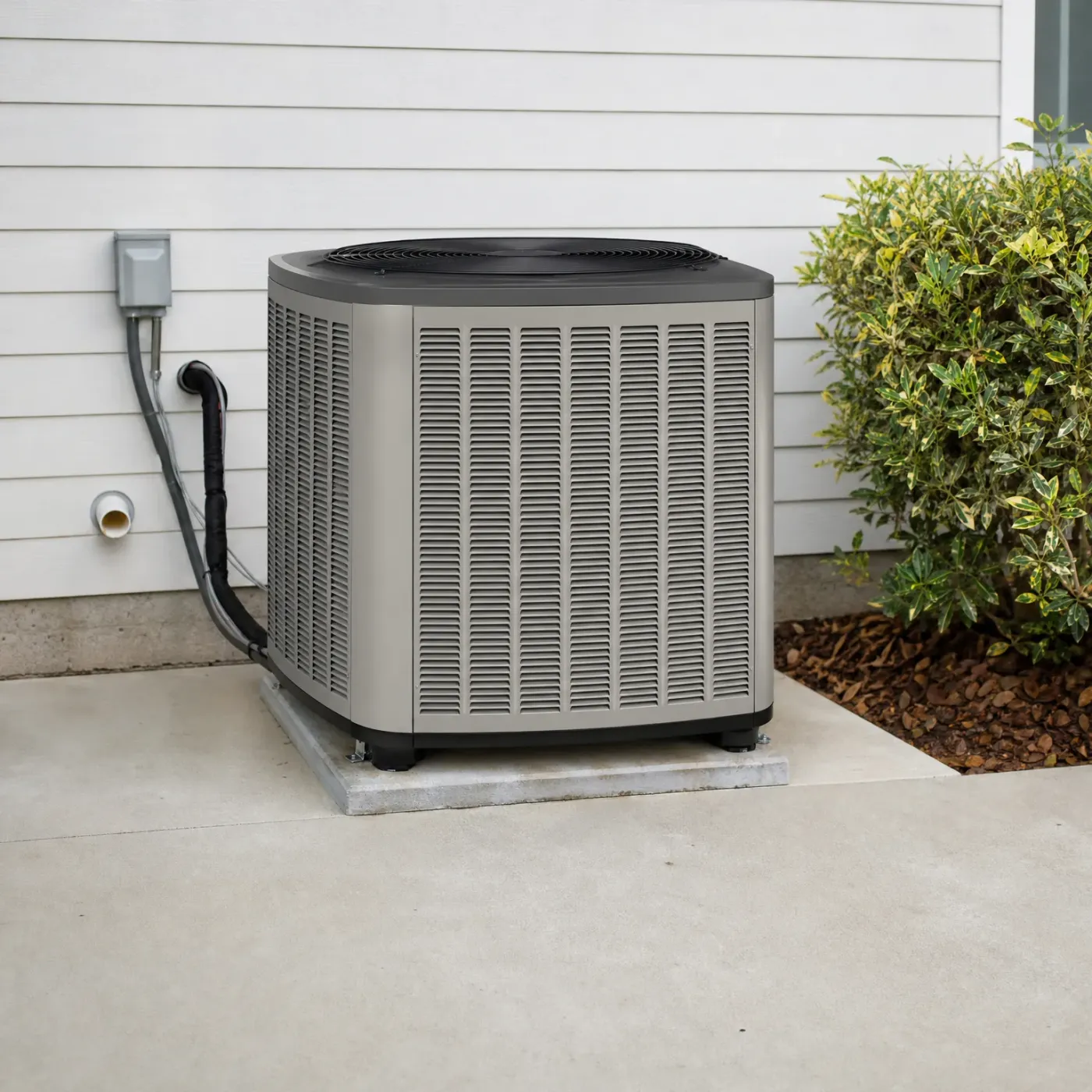
An outdoor air conditioning condenser unit on a concrete pad beside a house with white horizontal lap siding, with an electrical disconnect box and insulated refrigerant line on the wall and a shrub over mulch to the right.

Running right

This is what the unit looks like when airflow and refrigerant are doing their job. The lines along the wall stay clear, the disconnect box sits untouched, and the coil inside stays cold enough to pull moisture out of the air without icing over.
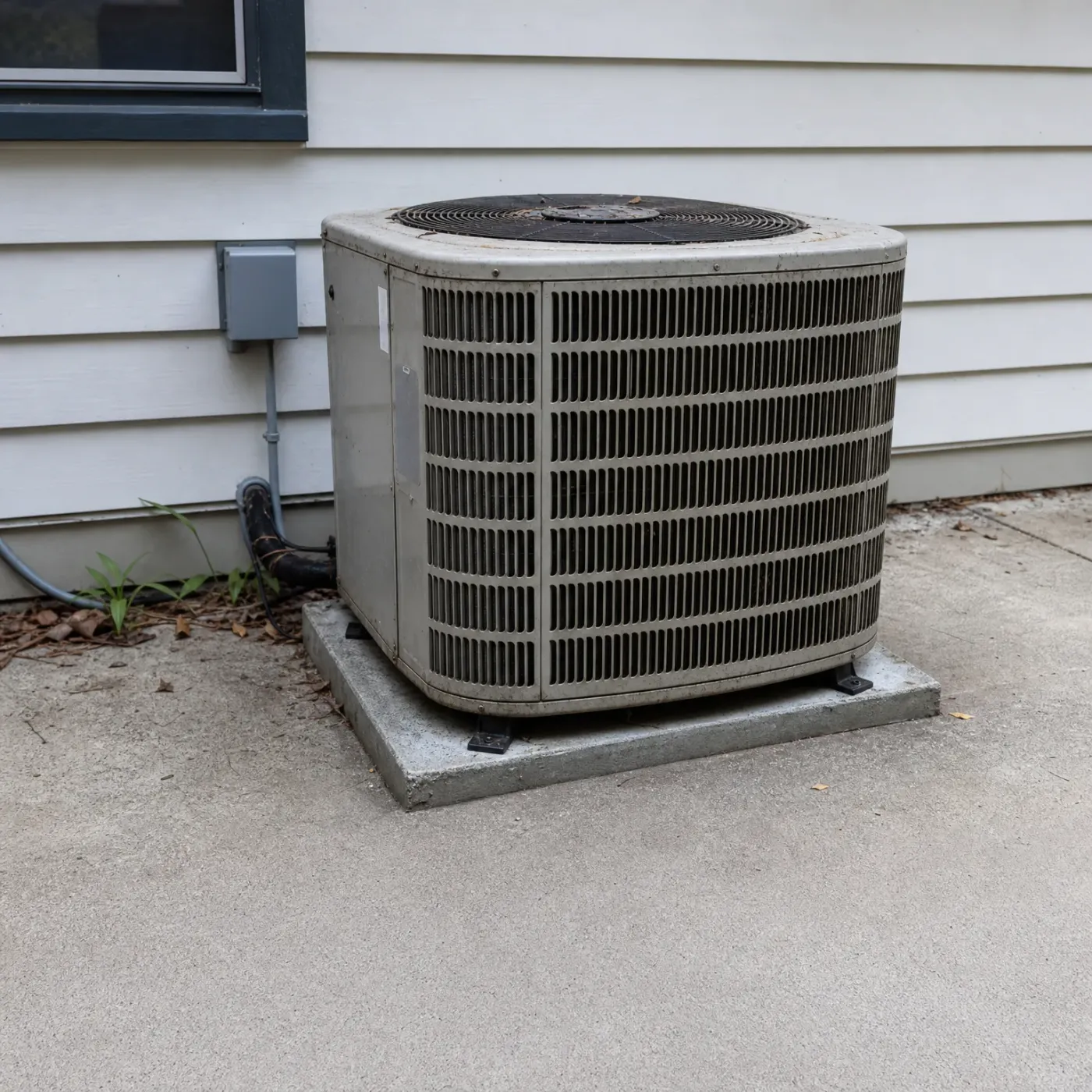

An outdoor air conditioner condenser unit on a concrete pad beside a house with light horizontal lap siding, with an electrical disconnect box and conduit on the wall behind it.

Iced up

Weathering alone doesn't freeze a unit. If the cabinet or lines near the foundation are coated in ice, something upstream is starving the coil of airflow or refrigerant. Shut it off before the coil takes on more damage than it already has.

A woman with dark hair in a bun reclines on a gray sofa with her eyes closed and a slight smile, wrapped in a cream knit sweater and blanket, with an open book resting in the foreground and a lit lamp in the dim room behind.
A smiling bearded man in a dark crewneck sweater sits at a dinner table with a lit candle, glasses of wine and water, and plates of food in the foreground, with a lamp, framed art and a potted plant behind him.

You turn the system off, flip the fan to on, and wait it out. By the time the ice is gone, hours have passed, and if the coil froze because of a low charge, it's going to freeze again.

You send the form once and stop managing the problem. No calling around Kansas City for someone who can look at a sealed refrigerant system, no explaining the ice three times to three different shops. A contractor takes it from here.

Cooling runs May through September

Five months of cooling a year in Jackson County means five months where a clogged filter or a dirty coil can turn into a frozen unit. That's most of the stretch between May and September your AC has to get through without a break to catch up.

NOAA nClimDiv 1991-2020

Where this leaves your AC

  • Ice on the coil or lines means the system needs the airflow or refrigerant problem fixed, not just a thaw.
  • Shutting the unit off and running the fan clears the ice, but the freeze comes back until the actual cause is found.
  • A clogged filter, a dirty coil, and a low refrigerant charge all lead to the same ice, so a tech has to check which one it is.
  • Kansas City summers run May through September, long enough that an unfixed problem will freeze the coil more than once.
  • A diagnosis tells you whether you're looking at a filter change, a coil cleaning, or a refrigerant leak that needs sealing.
  • Once the form is sent, you're done calling around and explaining the problem to one contractor after another.

A frozen coil is a symptom, not the problem itself. Something is keeping warm air from moving across that coil the way it should, or the system doesn't have the refrigerant charge it needs, and until one of those gets fixed, the ice is coming back. Thawing it out with the fan buys you a few hours of cold air, not a fix. The three usual causes, a dirty filter, a coil caked with dust, or refrigerant leaking out, all show up as the same sheet of ice, so there's no way to tell which one you have without a tech opening the unit up and checking. That matters more in Jackson County than somewhere with a short summer, because May through September is five straight months of the coil working hard enough to freeze again if the real cause never gets addressed. Get that diagnosis and you know exactly what you're dealing with: a filter to change, a coil to clean, or a leak that needs sealing and a refrigerant recharge. Finding someone to do that work is usually its own chore, calling a few numbers, describing the same symptoms each time, waiting to hear back, then weighing one quote against another. Sending the form here skips that part. Once it's in, you're not the one tracking down a contractor anymore. The ice on your unit still needs a diagnosis and a repair, and that takes a visit, but finding who does that visit is no longer something you have to manage yourself.

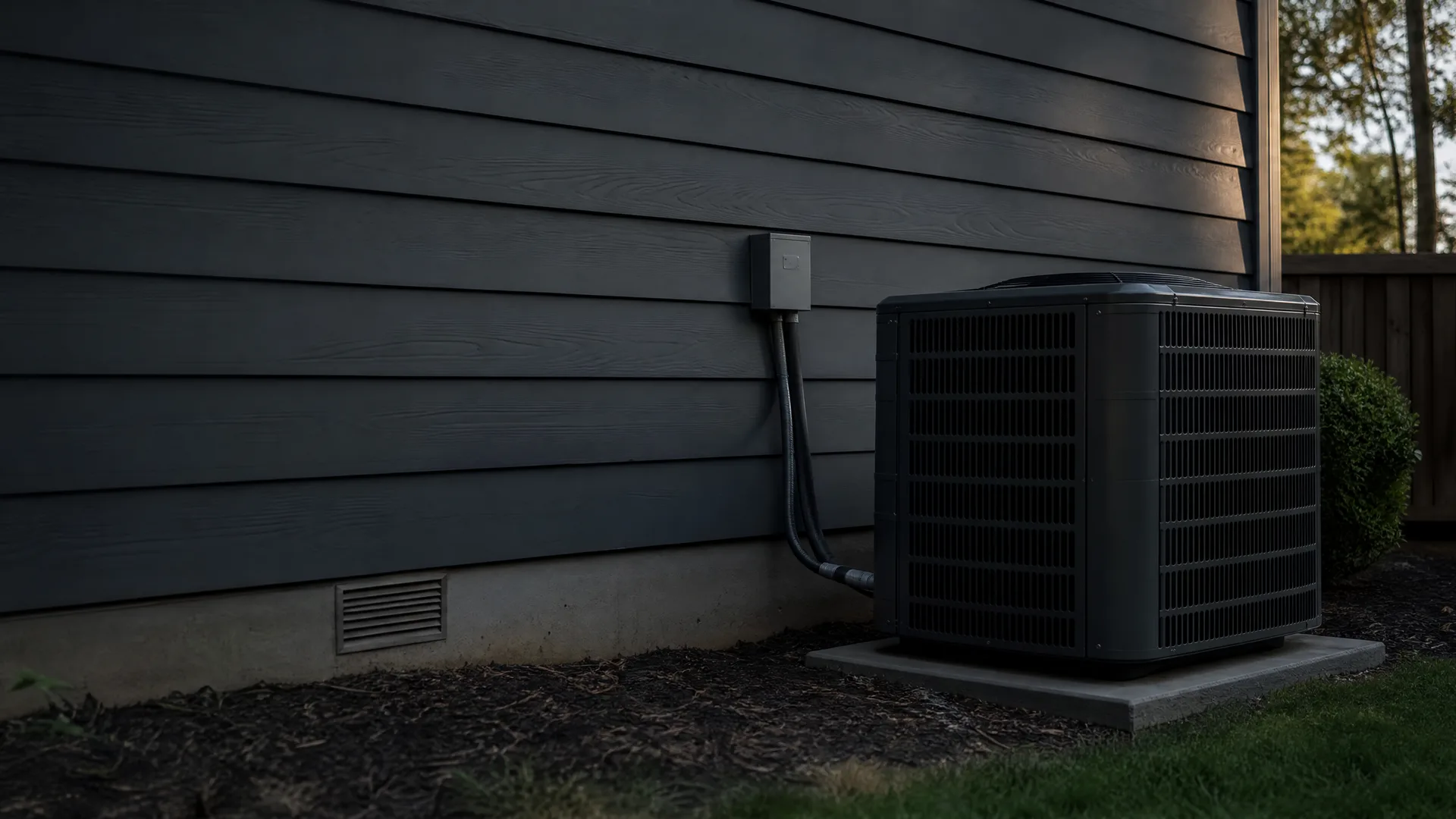
An outdoor air conditioning condenser unit on a concrete pad beside a dark gray horizontal lap-sided house wall, with a disconnect box and refrigerant lines on the wall, mulch bed and shrubs nearby.

One request and it's handed off

Fill out one short form instead of calling around.

Step 1 of 3: Equipment