When your AC runs flat out on a hot afternoon and the house still doesn't cool down, the system is undersized for that heat load, losing capacity to a problem, or losing the fight against a long muggy stretch like O'Fallon gets most summers. A unit low on refrigerant or held back by a dirty condenser coil can still blow cold air while putting out less cooling than the house needs once it's 95 degrees outside. A duct system that's too small or leaking can starve rooms far from the unit even when the equipment itself is fine. And an AC sized right for a typical July afternoon will fall behind during a stretch of 95-degree days back to back, because it was never built to handle that much heat for that long. The fix depends on which of these it is. Running it harder or longer won't make up the difference, and in some cases it just adds strain to a system that's already struggling.
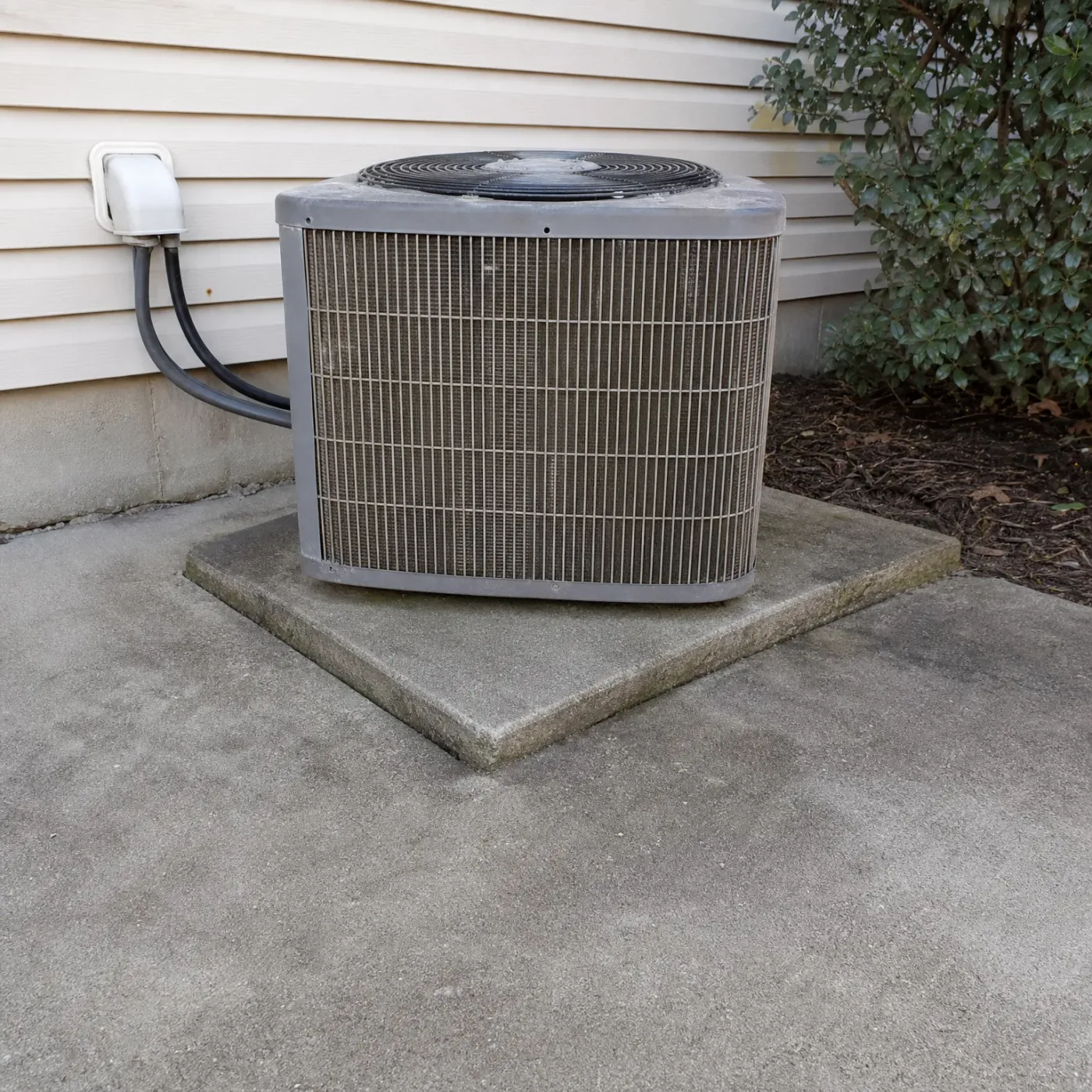
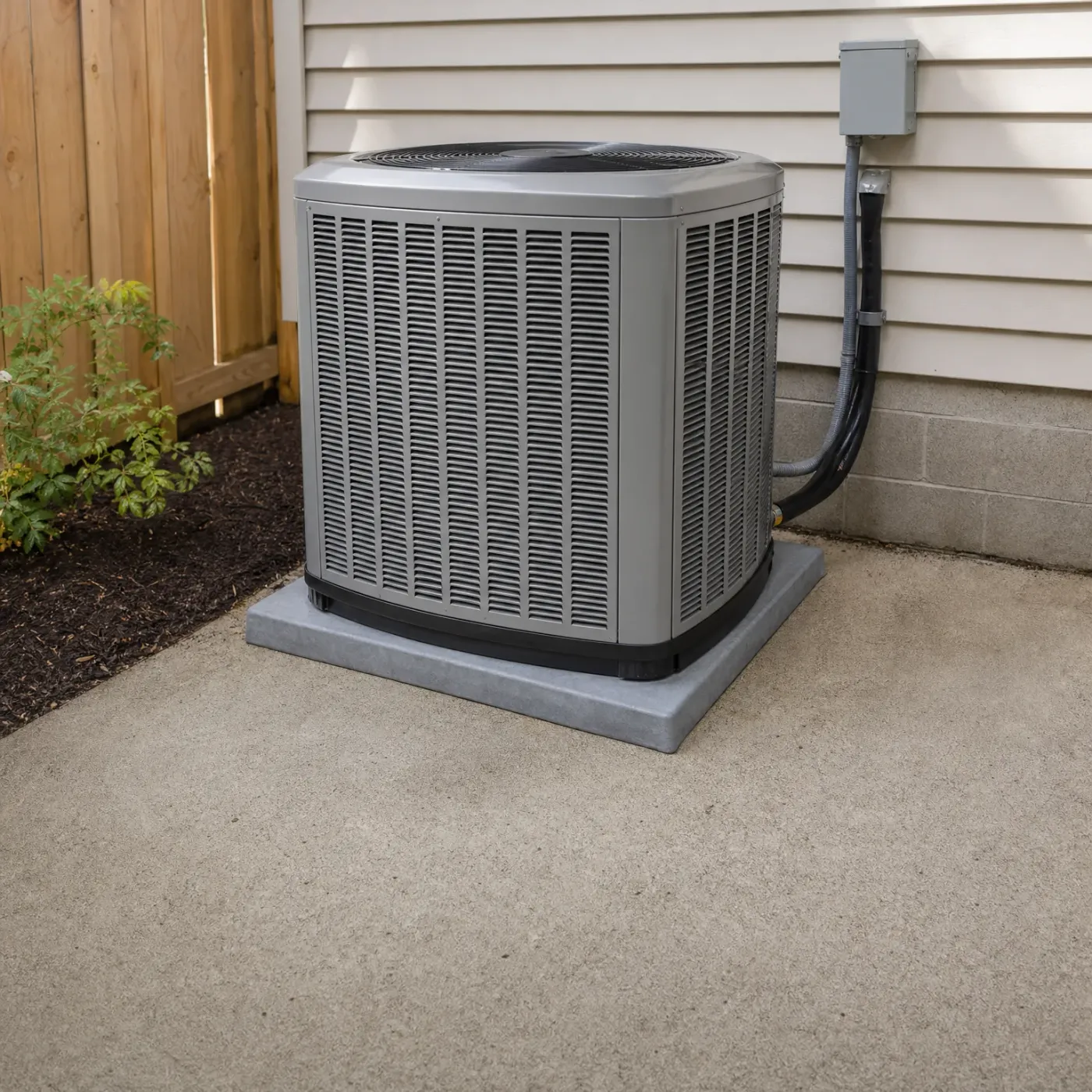
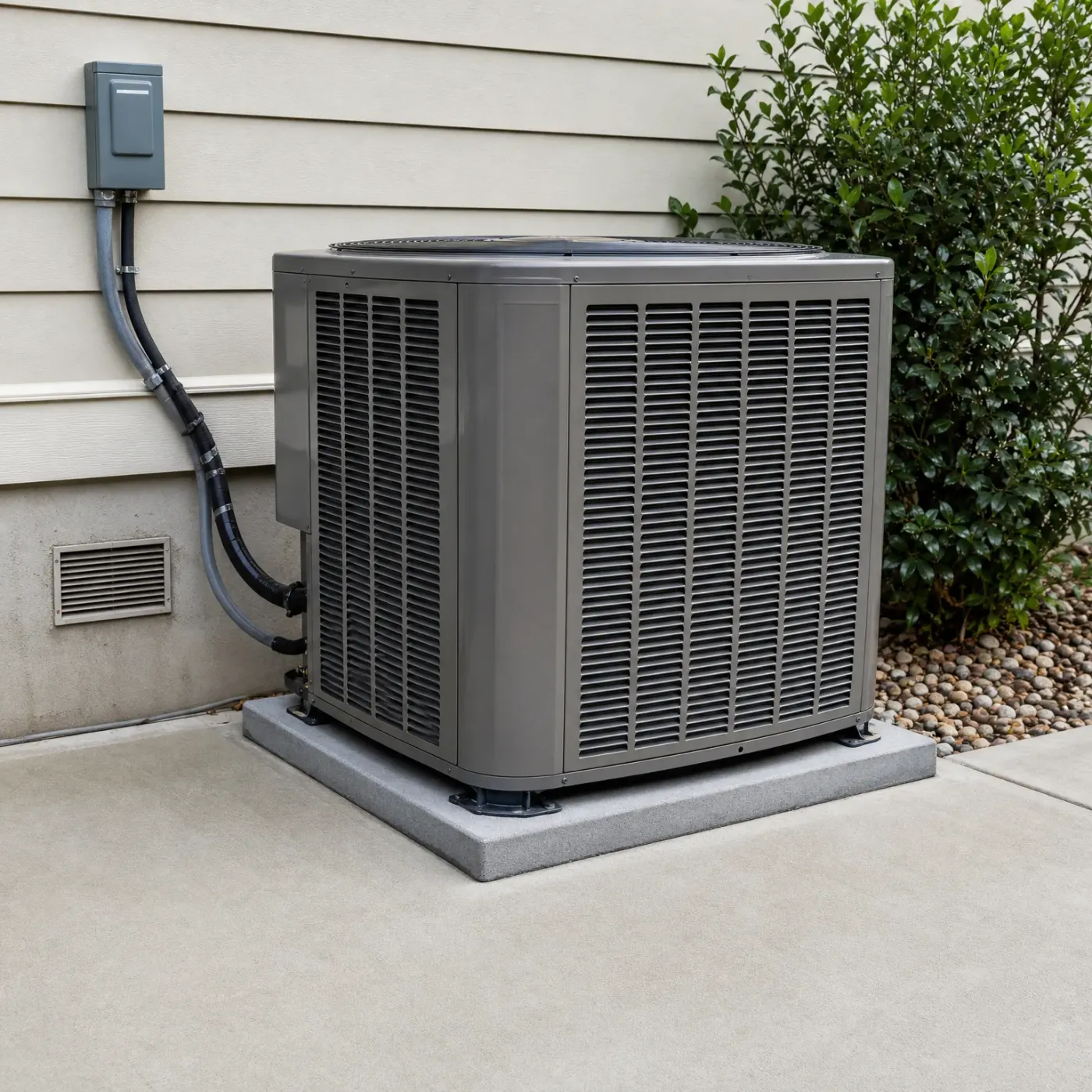
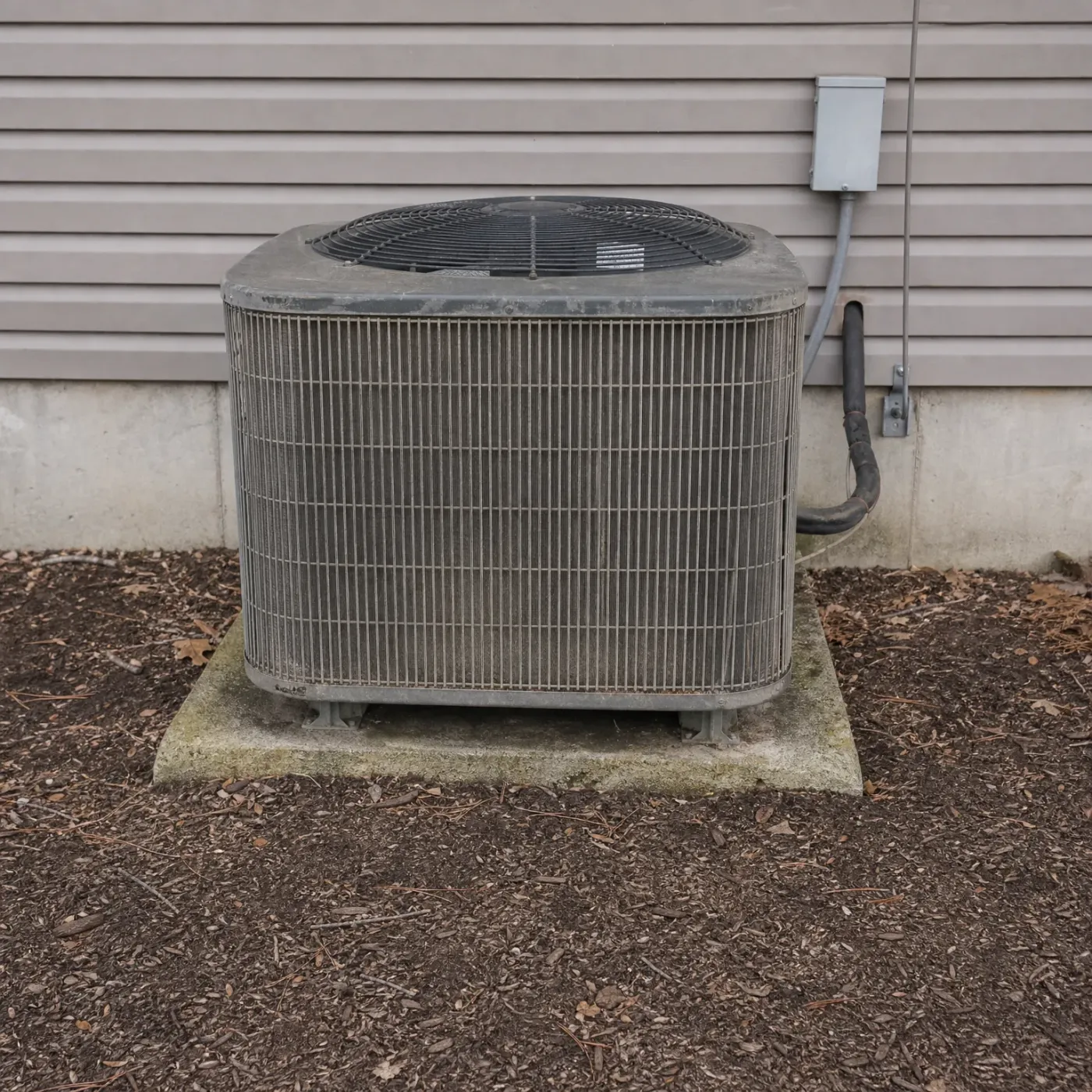
Before you get your air conditioner repairAfter you get your air conditioner repair
An air conditioner doesn't make cold air. It pulls heat out of the house and dumps it outside, and anything that slows that exchange shows up as a house that won't cool down. Refrigerant carries the heat, so if the charge is low from a leak, the compressor has to work longer to move the same amount of heat. Dirty coils cause the same problem from a different angle, since they can't shed heat as fast as they should. On a 95 degree afternoon the outdoor coil already has less room to work with, so a system that's otherwise fine starts falling behind right when O'Fallon gets its hottest. Airflow matters just as much. If it drops too low, the indoor coil can ice over, and once that happens the air coming out of your vents gets weaker, not colder. None of this is the system wearing out from a long summer. It's a specific part losing capacity, and a contractor can trace it to the actual cause.
Why Your AC Loses Ground in Heat
A central air conditioner moves heat out of the house instead of making cold air, so anything that limits that heat transfer costs you cooling capacity.
The compressor has to run longer to pull the same heat out of the house once the refrigerant charge drops or the coils get dirty.
Outside air near 95 degrees gives the outdoor coil less room to dump heat, which is why output drops exactly when you need it most.
A system sized to hold the house at 75 on a 90 degree day can lose that margin fast once a capacitor weakens or a coil fouls.
The indoor coil can ice over when airflow drops too low, and once that happens the house gets warmer even though the unit keeps running.
Refrigerant doesn't get used up, so a system that's low on charge has a leak somewhere in the line, not normal wear from running all summer.
A licensed pro who repairs air conditioners in St. Charles County gets your request.
Sending the form costs nothing.
Why heat and humidity load the system
A hot afternoon in O'Fallon is also a humid one, and your air conditioner has to pull moisture out of the air before it can pull heat out. That doubles the work on the same equipment. On a dry 95 degree day the coil removes heat and the house cools down. On a muggy 95 degree day the system spends part of its capacity wringing water out of the air first, so less of its capacity is left for cooling. If the unit was sized for an average summer afternoon, a stretch of muggy 95 degree days is what pushes it past what it can keep up with.
What a struggling system is telling you
A system that keeps up most days but falls behind on the hottest ones is usually not broken outright, it is running with less than its full capacity. A dirty outdoor coil, a weak capacitor, or refrigerant below the correct charge all show up the same way: the house cools fine at 85 degrees and falls behind at 98. A contractor who works on this equipment every summer can check the charge, the coil, and the electrical parts against what the system is rated for, and tell you whether it is a repair or whether the unit was never matched to your house in the first place.
Cooling runs May through September
Five months of cooling a year is a lot of hours on one compressor. Your system gets little rest between May and September to recover from a low charge or a weak capacitor, so a problem that started small on day one has the whole summer to get worse.
NOAA nClimDiv 1991-2020
Running the way it should
A unit like this is pulling heat out of the house and dumping it outside through those coils. The lines stay clear, the disconnect sits ready, and the system can move enough heat to keep up even when O'Fallon's afternoon sits thick with humidity.
Losing ground
Grime packed into the coil fins blocks the airflow this unit needs to dump heat outside. The compressor keeps running, but less heat leaves the house per hour. On a long hot stretch, that gap is what you feel as a house that never quite cools down.
If your AC can't keep up, something is costing it capacity
A unit in good shape can keep a house cool through an O'Fallon summer. If yours can't, something is taking away its capacity to move heat, whether that's a low charge, a weak capacitor, a dirty coil, or a system that was undersized from the start. A licensed technician can tell you which one it is and fix it, rather than you guessing and replacing parts that were never the problem.
That's the piece you don't have to do alone. Instead of calling around to a handful of companies, explaining the same symptoms to each one, and sorting through quotes that may not even agree on what's wrong, you get matched with one local contractor who works on this equipment all summer and knows what tends to fail first in this area. One call, one visit, and you know where you stand.
Skip the calls to every shop
Finding out why your AC can't keep up usually means calling a few companies, explaining the same problem each time, and sorting through quotes before anyone even looks at the unit. This connects you with one licensed contractor local to O'Fallon, someone who works on these systems all summer and knows what a weak capacitor or a low charge looks like on a day like this. You get one point of contact instead of a flood of calls, and a straight answer about what's costing your system its capacity.