
Still under warranty
Most compressors and coils carry a 5 to 10 year warranty against defects. If your system is newer, a contractor can check coverage before any repair work starts.
Warm air coming out of the vents when the AC is running is never normal, and in Joplin summers it's not something to put off. The unit could be low on refrigerant, or the compressor could be struggling, or cool air could be escaping somewhere between the unit and your vents. Figuring out which one it is takes someone who can look at your system directly, not a guess over the phone. Tell us what's going on and where you're located in Jasper County, and you'll be matched with a contractor who takes on jobs like yours. They'll reach out to you directly. From there, finding the right person stops being your problem to solve. You get to stop checking vents and searching for answers, and let someone who does this for a living take it from here.
Warm air from the vents usually means the system can't move heat out of the house anymore, even though the fan still runs. A dirty air filter is the simplest cause, since it blocks airflow across the indoor coil until the coil ices over and only warm air gets pushed through. Low refrigerant from a slow leak does the same thing, and so does a compressor that's failing, since that's the part that actually moves heat outside. Sometimes it's simpler still, a thermostat set to "fan" instead of "auto", which runs air through the house with the cooling off. With Joplin summers running hot for months, a system stuck like this falls further behind every day it's not fixed, and the compressor can take more damage the longer it runs low on refrigerant or overheated. Checking the filter and the thermostat setting first costs nothing. If the air stays warm after that, the cause is inside the system, and finding it means getting a contractor to look at the refrigerant charge and the compressor itself.




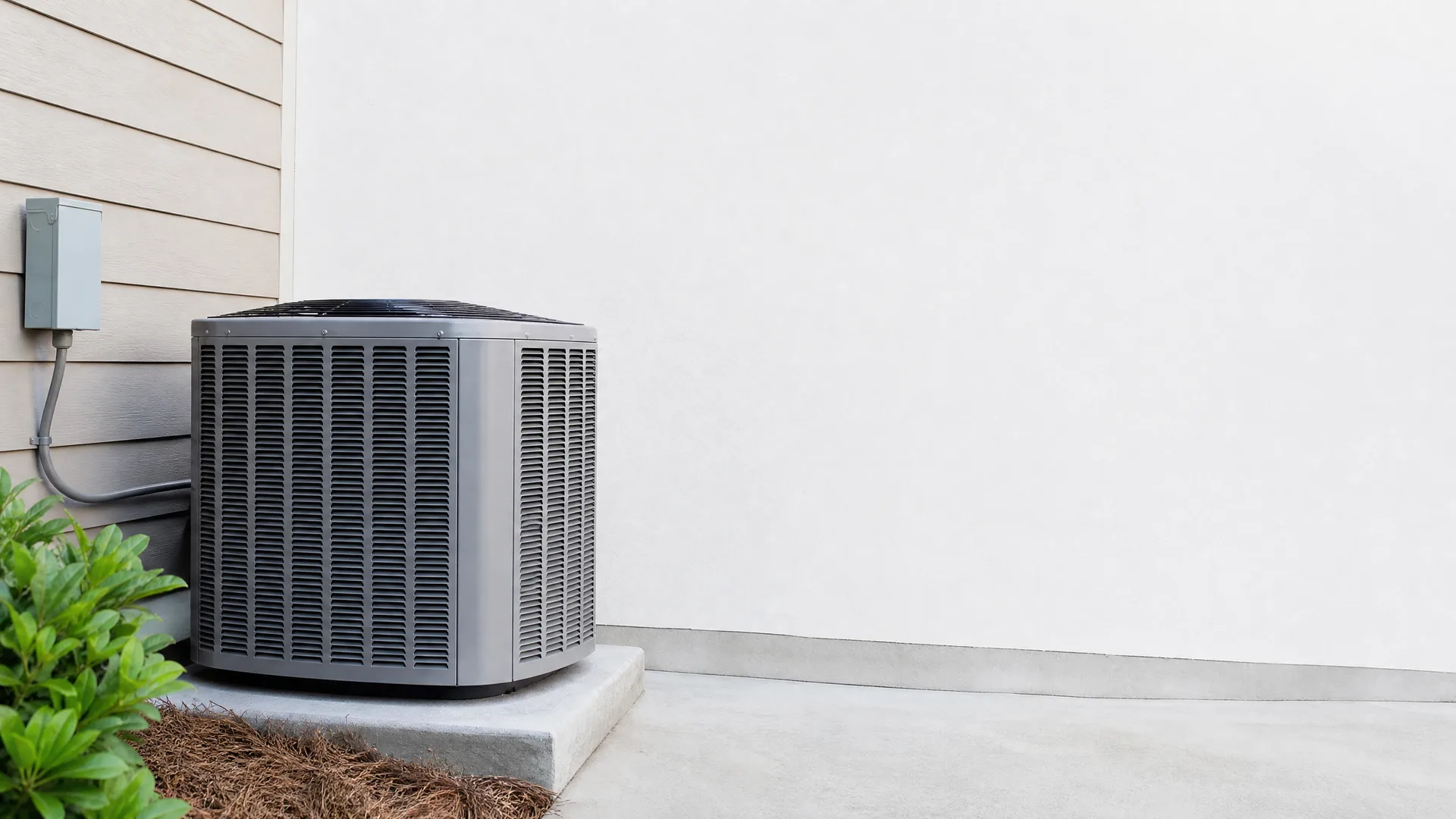
The indoor coil has to stay cold enough to pull moisture and heat out of the air passing over it, but it still needs steady airflow to keep from freezing. Cut that airflow down, with a clogged filter or a blocked return, and the coil's temperature drops below freezing. Ice builds along the coil and seals it off. Once that happens, the air crossing it picks up no cooling at all, so what comes out of the vents is whatever temperature the air started at.
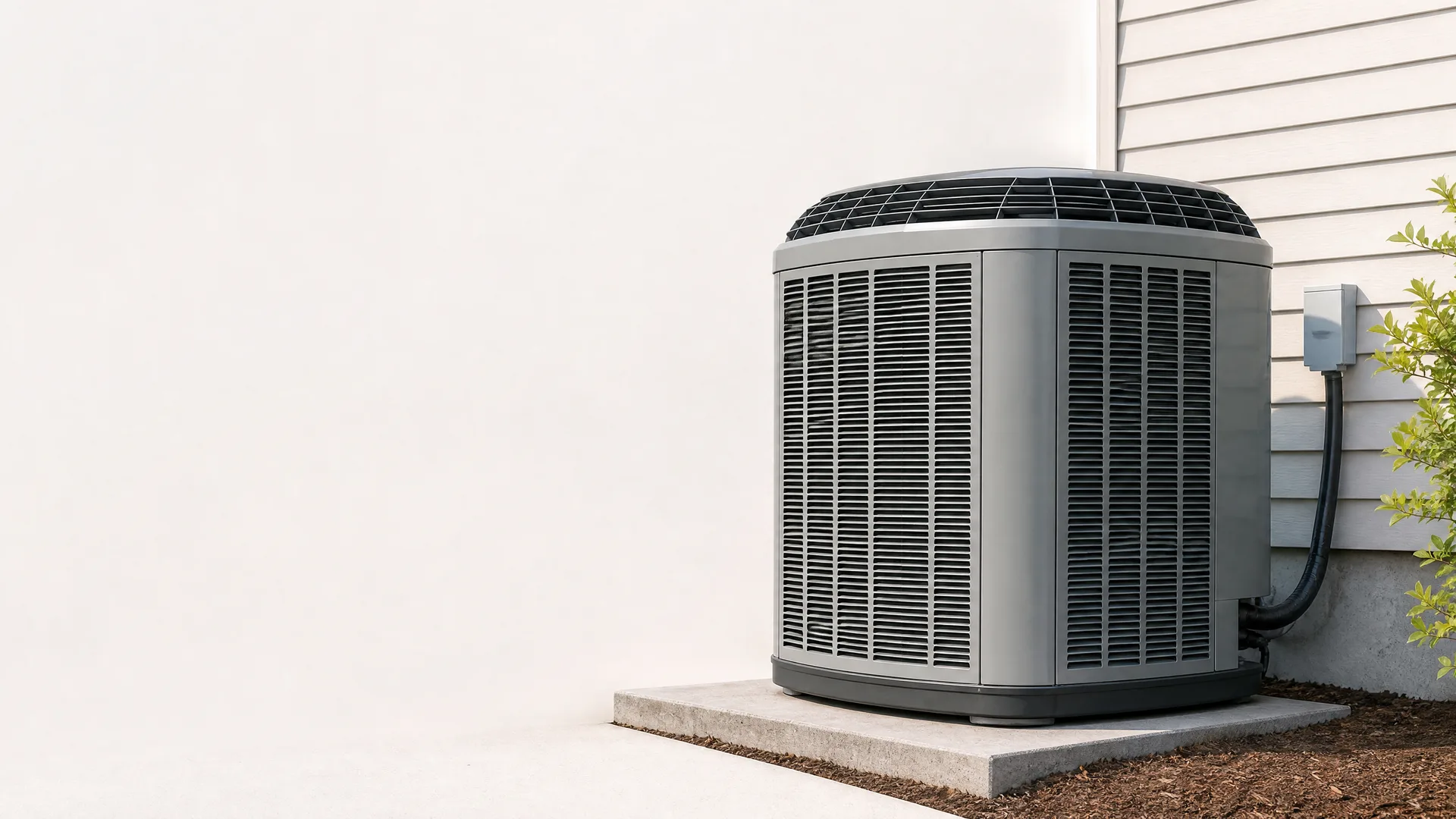
Refrigerant doesn't get used up the way fuel does. If the system is low, it's losing refrigerant somewhere through a leak in the lines or at a fitting, and the charge only gets lower over time. A unit running low has less refrigerant moving through the coil to absorb heat, so it can't pull as much warmth out of the air in each pass. Low charge also drops coil temperature below normal, which can trigger the same icing that cuts off cooling entirely.
That first warm blast can feel like the whole system is failing, especially a few minutes into a Jasper County afternoon when you're counting on it. But if it cools off and runs fine after that, the unit isn't broken the way it would be if warm air kept coming the whole time. There's a reason for that short delay, and it has to do with what's sitting in the lines when the compressor starts up.
When the compressor shuts off, the refrigerant in the lines and coil sits still and warms up to room temperature. The next time the system starts, it has to push that warm refrigerant through before cold refrigerant reaches the indoor coil, so the first few minutes of air coming through the vents will feel warm or just barely cool. Once the cold refrigerant catches up and the coil gets cold, the air coming off it drops fast. A short delay like this on every startup is normal. What isn't normal is warm air that drags on past five minutes or so, or air that never cools at all. That points to something else, low refrigerant or a coil that isn't getting cold enough to begin with.
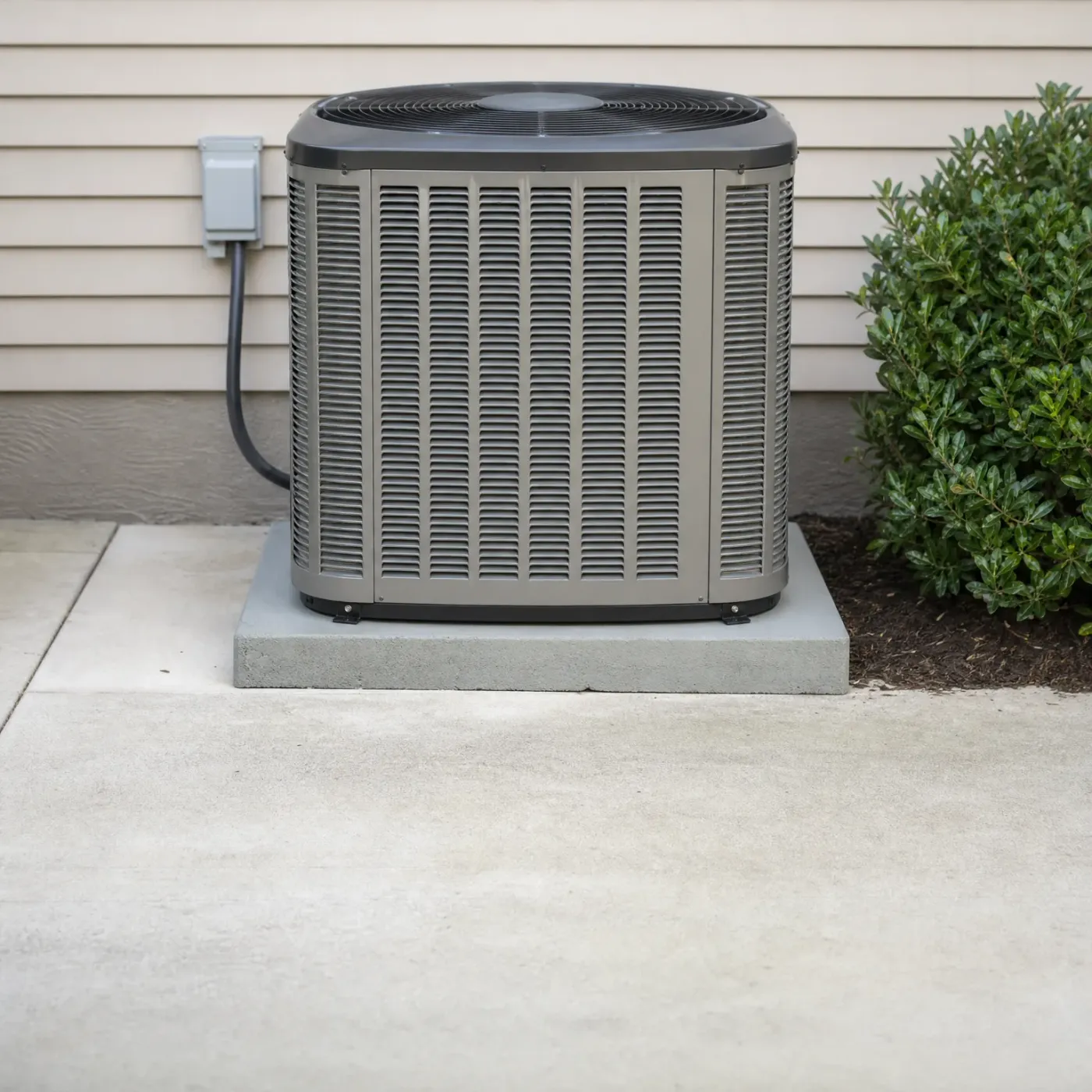
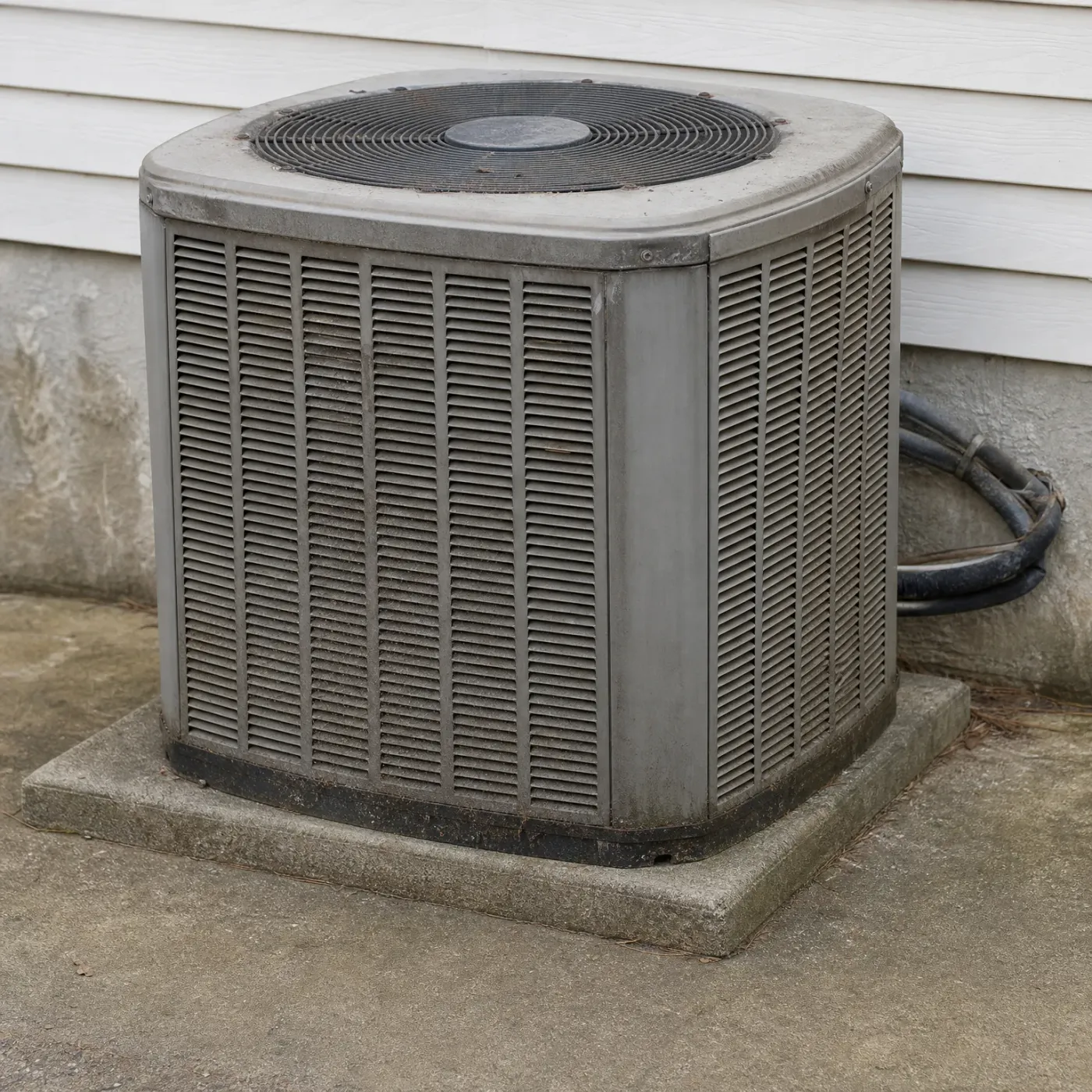

Two thirty on a July afternoon and the blinds are drawn against the sun because leaving them open made it worse. The floor fan next to the couch pushes the air around without cooling any of it. You've already checked the vent closest to you twice, holding your hand up to it like that would change something. It's not cold. It's not even close to cold, just the same warm air the house already has, moving a little faster. The dog has given up on the usual spot by the window and stretched out on the tile by the kitchen instead. Somewhere outside, the condenser is still running, the sound steady through the wall, doing nothing you can feel.
You've already changed the filter, checked the breaker, maybe cleared leaves off the condenser. If the vents are still pushing warm air, the problem is inside the system now, low refrigerant, a failing compressor, a coil frozen solid under its casing, and none of that gets fixed by waiting another day on it. A low charge usually means a leak somewhere in the line set, and that leak doesn't close up on its own. A struggling compressor only works harder as the afternoons stay in the 90s, and harder usually means closer to failing outright. Jasper County summers don't let up enough to make that a safe bet. A licensed contractor can get a gauge on the refrigerant, a meter on the compressor, and tell you in one visit which of these it actually is. That's the part you can't do from here, and it's the part that decides whether this is a quick fix or a bigger one. Send the request and that question stops being yours to carry around.
Low refrigerant usually comes from a leak somewhere in the copper lines, a slow loss that gets worse over a summer and shows up as vents running cooler in the morning and warmer by afternoon. A contractor can find the leak, seal it, and recharge the system, and once that's done the AC cools the way it did before. It's a repair, not a replace, in most cases. A failing compressor is a different problem. The compressor is what actually moves refrigerant through the system and pressurizes it enough to pull heat out of the house. When it's going bad, you might hear a hard clunk or hum from the outdoor unit when it tries to start, or it may start and trip off within a minute or two.
A refrigerant leak, caught early, usually leaves the rest of the system alone. The coil, the fan, the compressor itself keep working fine once the charge is right again, and nothing else in the unit took damage from running low. Left alone too long, though, a low charge makes the compressor work harder than it's built for, and that's often how a leak turns into a compressor problem. A compressor that's actually failing is a bigger repair, and on an older outdoor unit it's worth asking whether replacing just the compressor makes sense against replacing the unit. Either way, a contractor checking pressures and listening to the compressor run can usually tell which one is happening within a single visit.


Most compressors and coils carry a 5 to 10 year warranty against defects. If your system is newer, a contractor can check coverage before any repair work starts.
Older systems have no coverage left, so repair costs fall on you. Knowing what's wrong still matters before deciding between a repair and a replacement.
Five months of that stretch, your AC is working every day, not just on the hottest afternoons. That's a long stretch for a system to run without a break, and it's why a clogged filter or a low refrigerant charge tends to surface as warm air by mid-summer instead of July.
NOAA nClimDiv 1991-2020
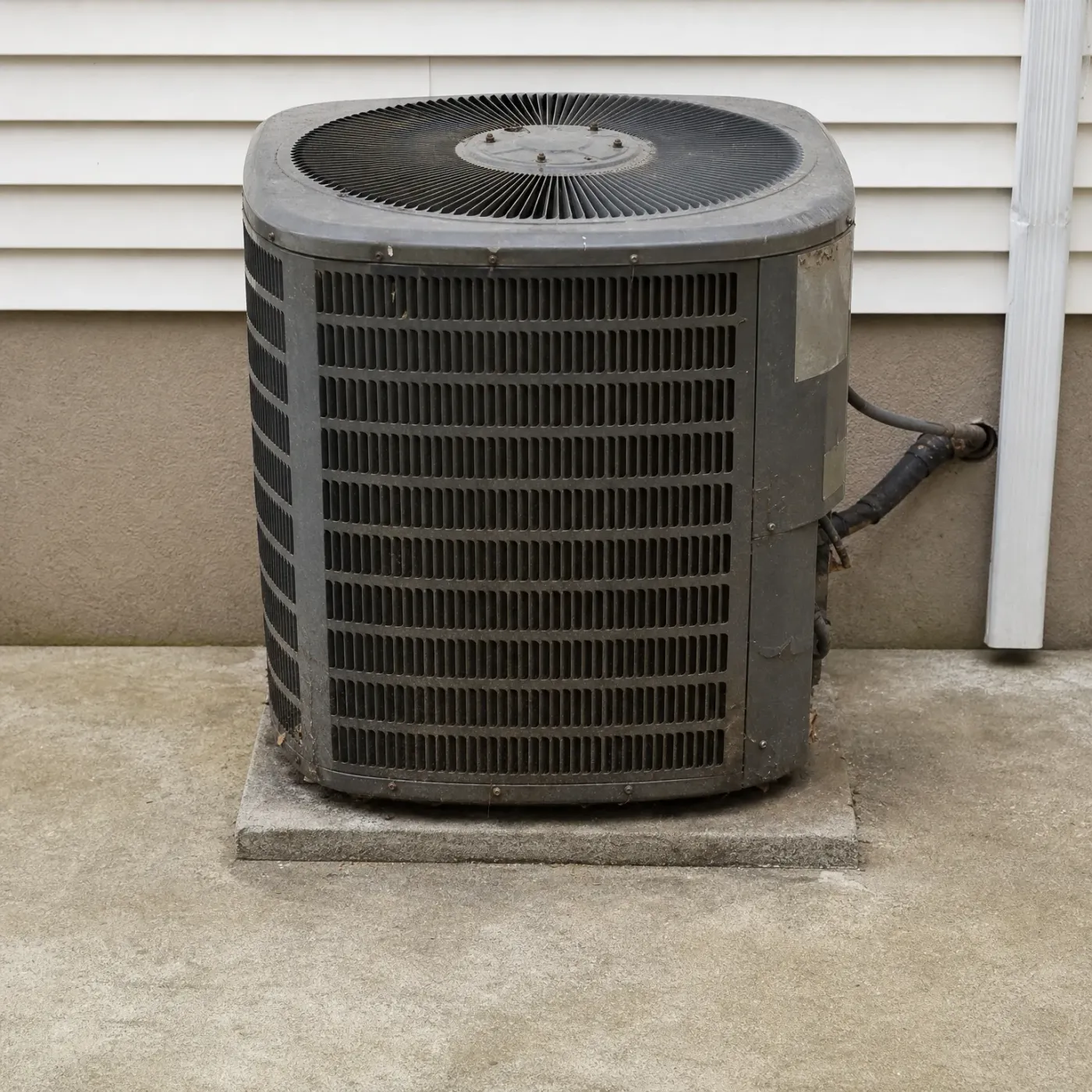
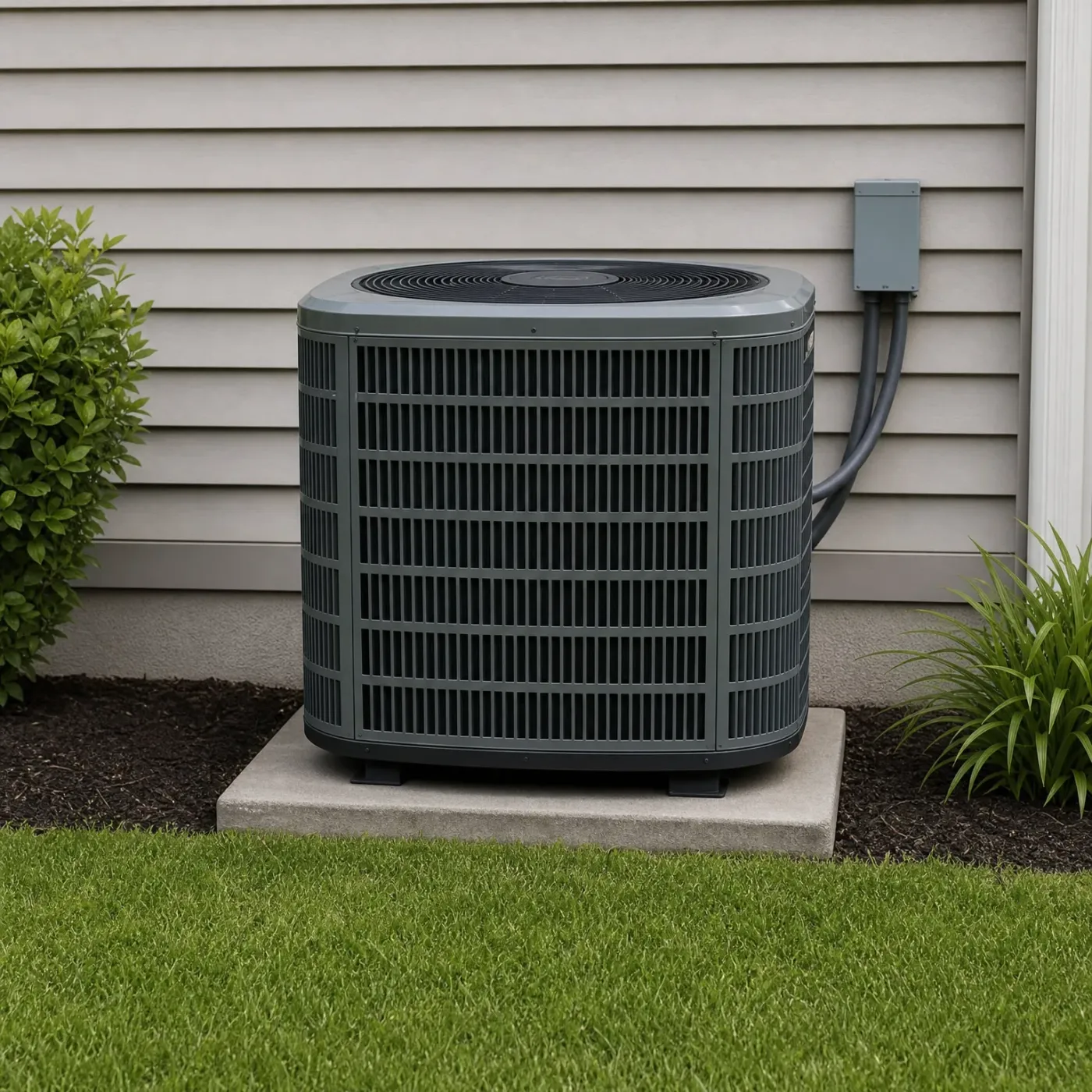
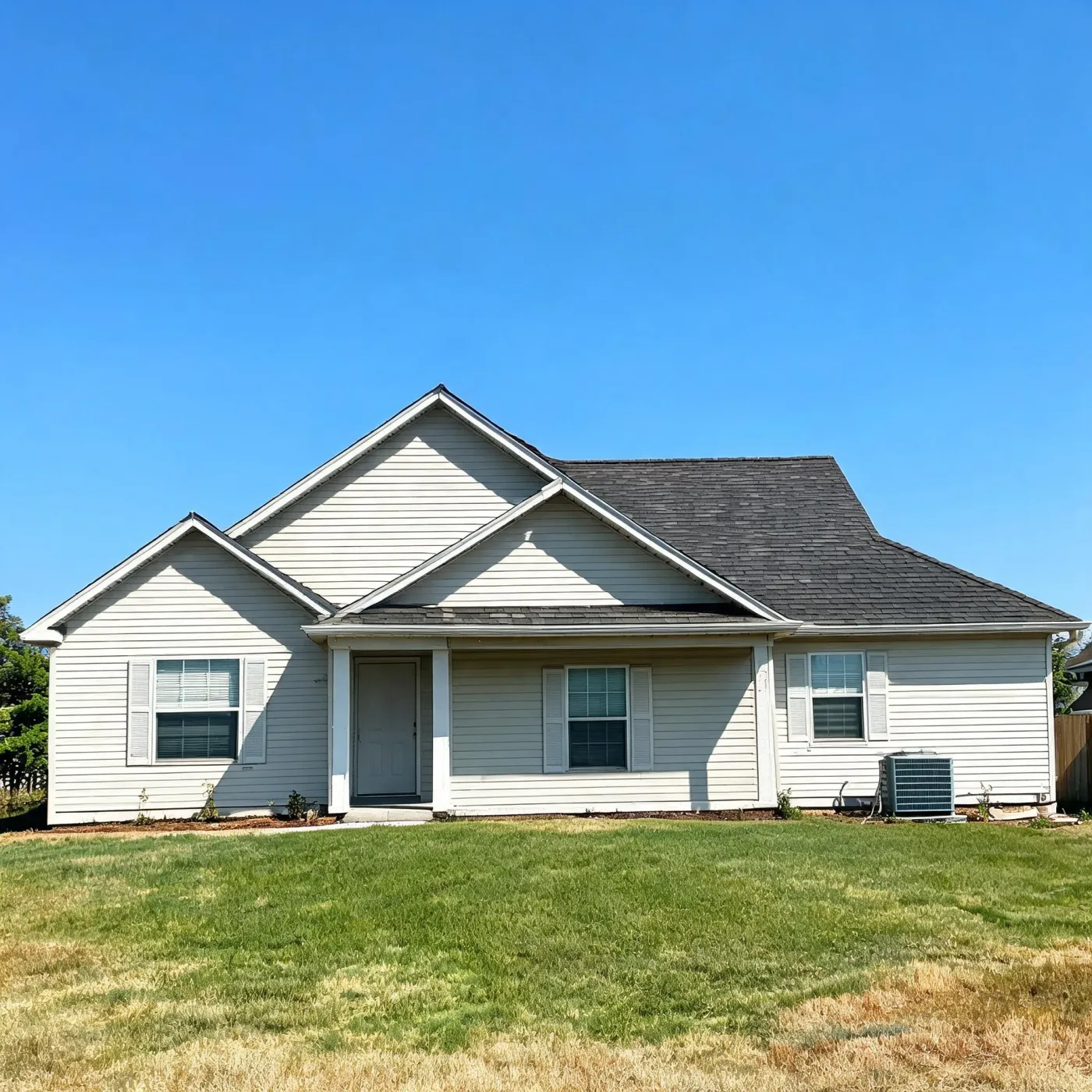
Jasper County summers don't just run hot, they run heavy. The dew point averages 66°F across June, July and August, and anything near that mark is the air holding onto a lot of moisture. Your AC has to pull that moisture out before it can make the house feel cool, which puts more load on the indoor coil for longer stretches each day. When the system is already struggling, that extra moisture load is often what tips it over into blowing warm. You'll notice it most in the late afternoon, when the air outside is heaviest and the coil has been working the longest since morning.
NASA POWER T2MDEW

A dirty filter, a tripped breaker, a frozen coil, a refrigerant leak, a compressor giving out. Something on that list is why your vents are blowing warm instead of cold, and most of them show themselves once you know where to look. What you've read here narrows it down. What fixes it is someone standing at your unit with gauges in hand, looking at your coil, your charge, your compressor.
That's the part a page can't do for you. A contractor who works on systems like yours in Jasper County can tell you in minutes what's actually wrong, instead of leaving you to guess through another sticky afternoon. Send in what you know about your system and someone who handles this kind of repair will reach out to you directly. You stop chasing the answer yourself, and the house gets cool again on someone else's time, not yours.

Find an air conditioner repair pro in Jasper County